WASHINGTON – Andy Wills was sleeping on a friend's couch in Cordova, Alaska, on March 24, 1989, ready to head out and harvest spring herring in Prince William Sound.
"My buddy had just handed me a cup of coffee in the morning," Wills said. "And there's the Exxon Valdez on TV, spilling oil."
"We were like, 'No!' It was just the start of a nightmare," Wills said.
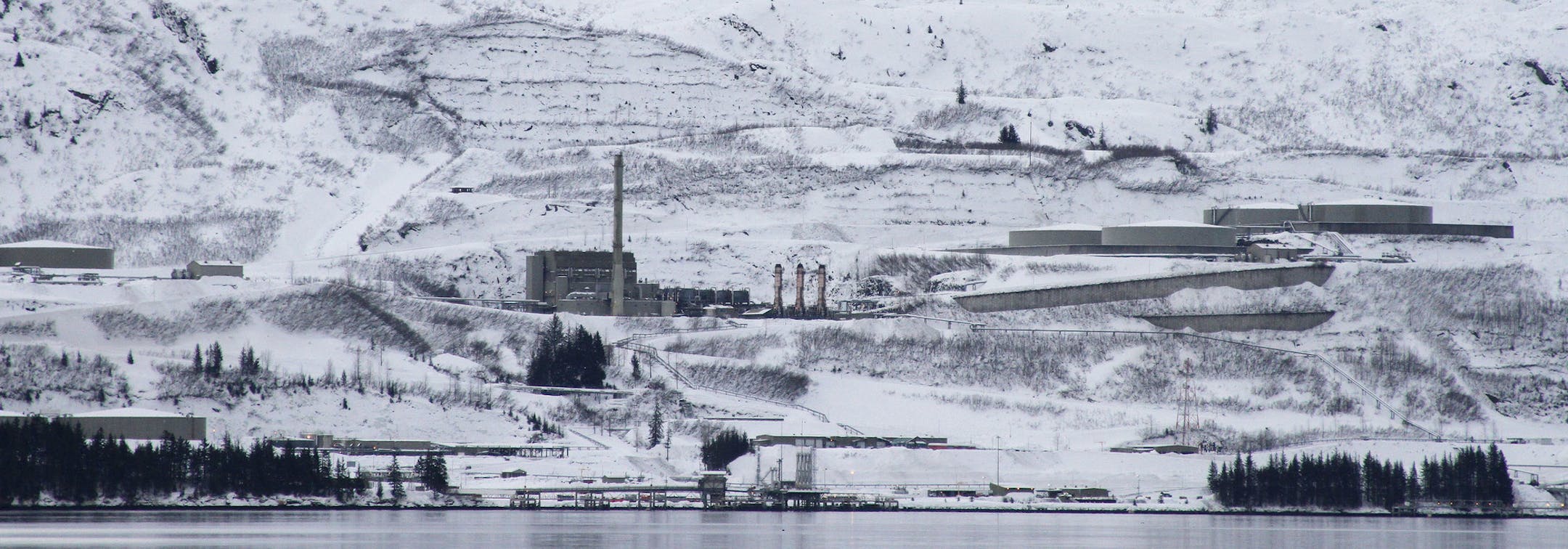
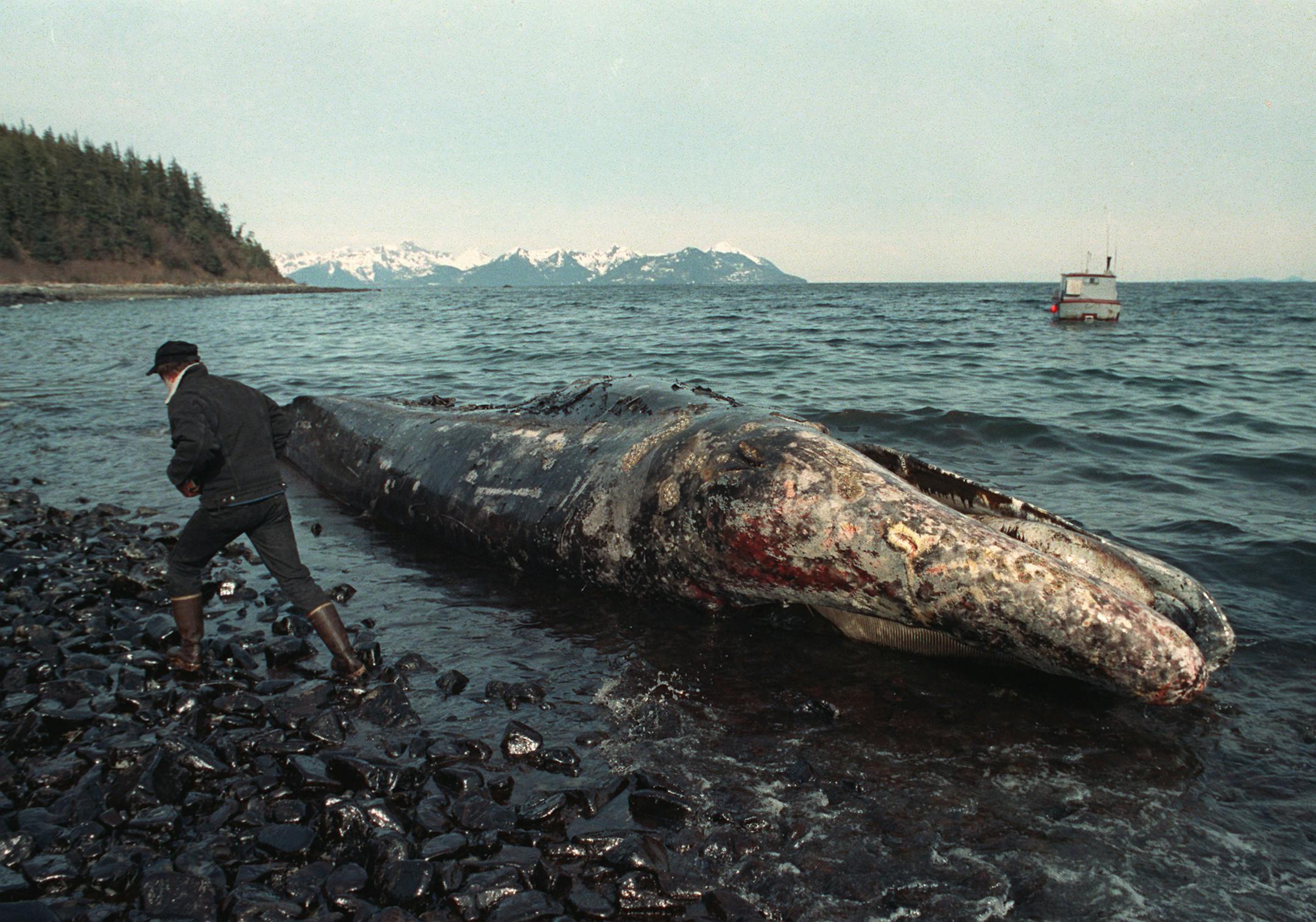
The herring of Prince William Sound still have not recovered. Neither have killer whales, and legal issues remain unresolved a quarter of a century later. Monday is the 25th anniversary of the disaster, in which the tanker Exxon Valdez ran aground on Bligh Reef and spilled at least 11 million gallons of oil into the pristine waters of the sound.
Prince William Sound today looks spectacular, a stunning landscape of mountainous fjords, blue-green waters and forested islands. Pick up a stone on a rocky beach, maybe dig a little, though, and it is possible to still find pockets of oil.
Presence of oil a surprise
"The big surprise for all of us who have worked on this thing for the last 25 years has been the continued presence of relatively fresh oil," said Gary Shigenaka, a marine biologist for the National Oceanic and Atmospheric Administration.
The question of how well Prince William Sound has recovered from what at the time was the nation's largest oil spill is a contentious one. Exxon Mobil Corp. cites studies showing a rebound.
"The sound is thriving environmentally and we've had a very solid, complete recovery," said Richard Keil, a media relations adviser at Exxon Mobil.