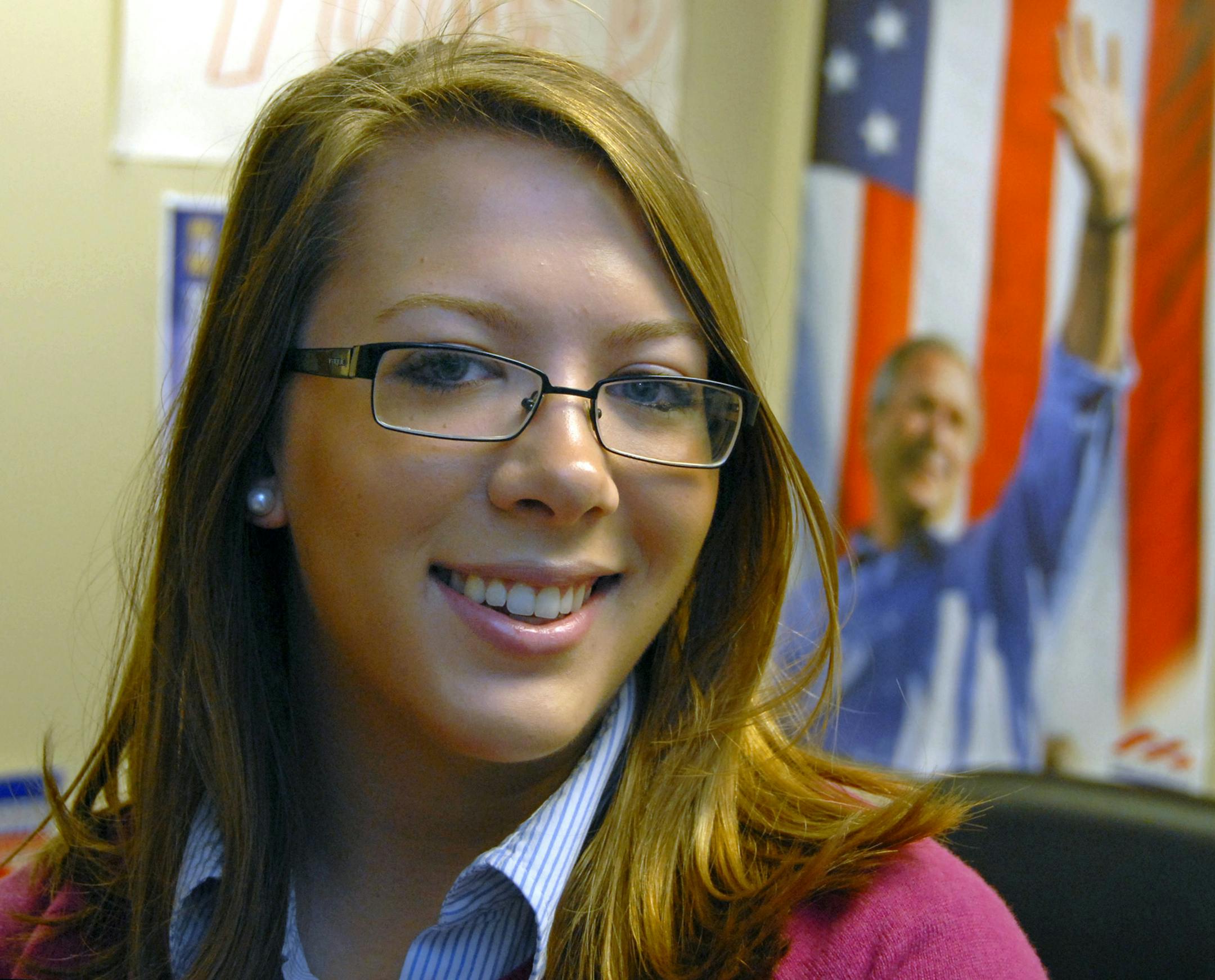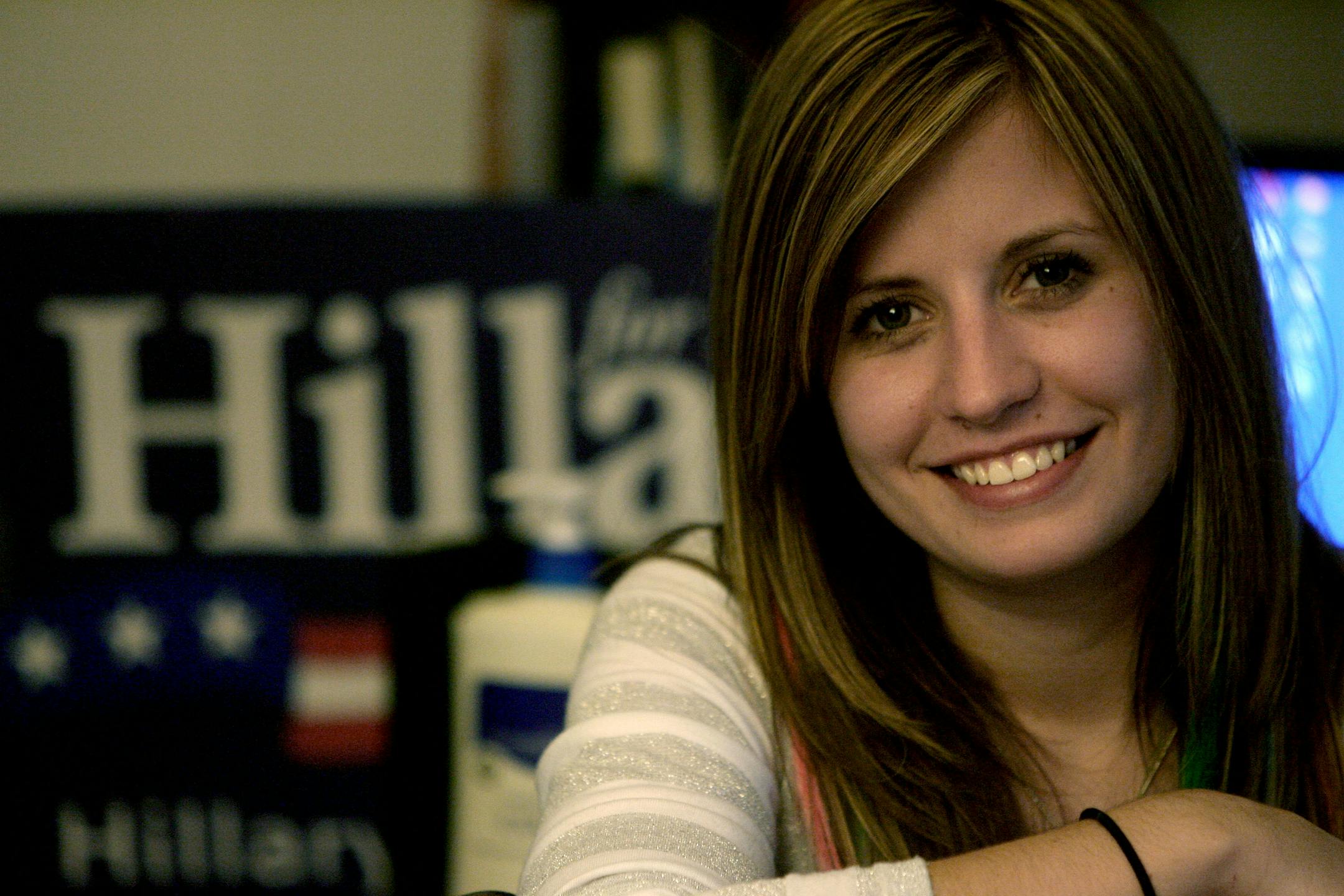
Late last year, Emily Allison decided Hillary Rodham Clinton ought to be the next president, and she wanted to help. But she wasn't sure how.
So she fired up her computer and, in short order, ended up as the campaign's campus coordinator at the University of Minnesota.
In doing so, the 21-year-old Spanish major from Rochester became one of the ground troops in an electronic revolution that's transforming presidential politics. This year, as never before, the Internet is fundamentally reshaping fundraising, voter outreach, turnout strategies and campaign news coverage.
Not since the advent of television has the nature of campaigning changed so much and so permanently.
"I wasn't sure what the campaign needed or who to contact, so I just went to Facebook and started looking for people who said they were Hillary supporters," Allison said. "It didn't take long until there were 15, 20 of us, all e-mailing and phone-banking and throwing together meetings."
They worked together in the runup to the Minnesota caucuses, and a core group from the university is still working the phones to help Clinton in the Indiana and North Carolina primaries today.
From viral videos and social networking chats to targeted fundraising e-mails and Net-based phone banking, the 2008 race has become fully interactive, with campaigns reaching deeply into a (mostly young) population that reaches right back.
And geography is no obstacle; all these relationships unfold in cyberspace.