Whether beribboned with freeways, edged by mountains or unfolding as verdant fields, landscapes fill the horizon.
Yet, with every passing year, humans see them anew, projecting fresh philosophies, aspirations, anxieties and ideas onto the familiar rocks and rivers around us. Even in those rare situations where some vast expanse remains unchanged for a long time — say, a national forest or an Alpine peak — perceptions shift and different meanings emerge.
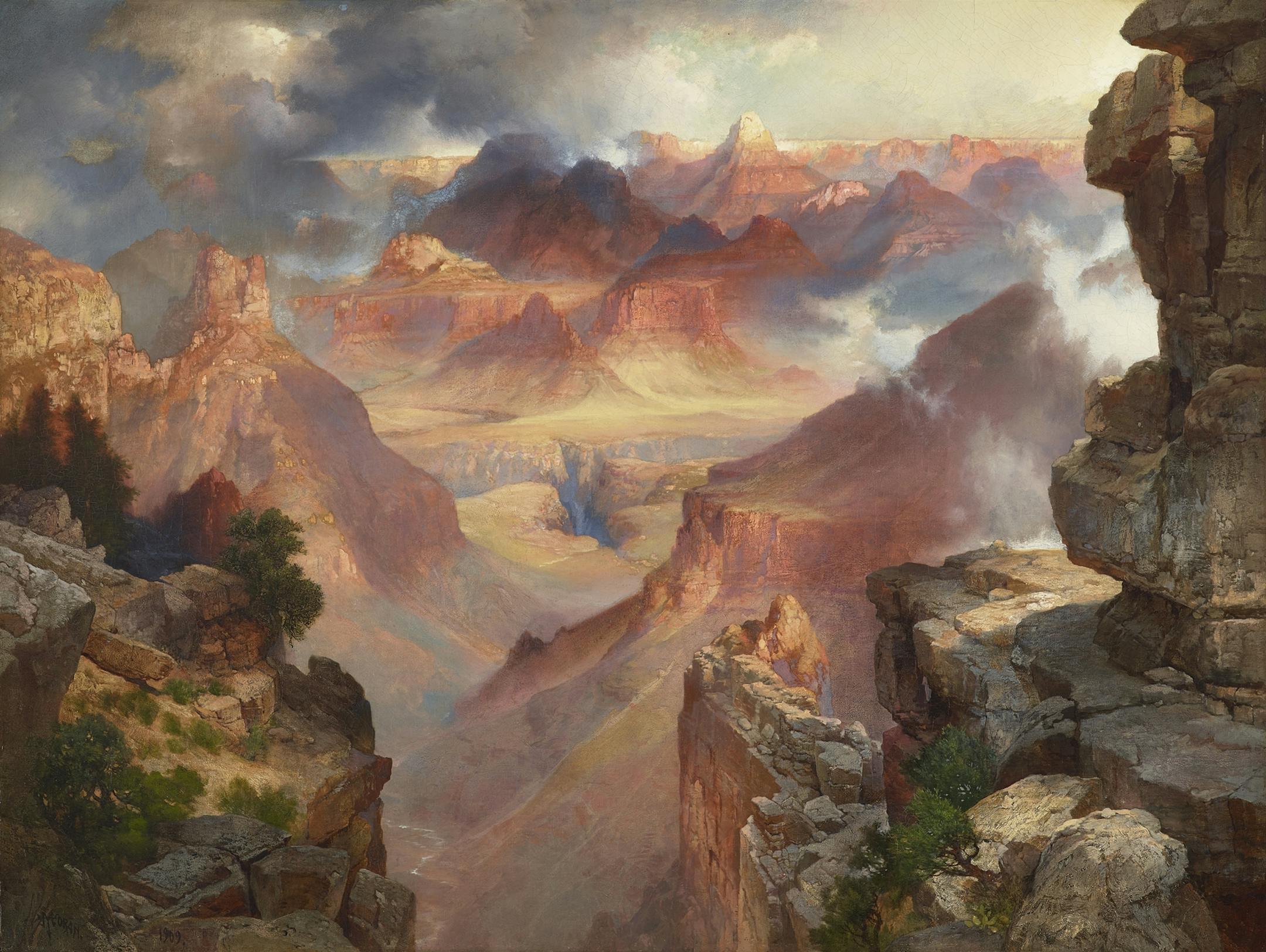
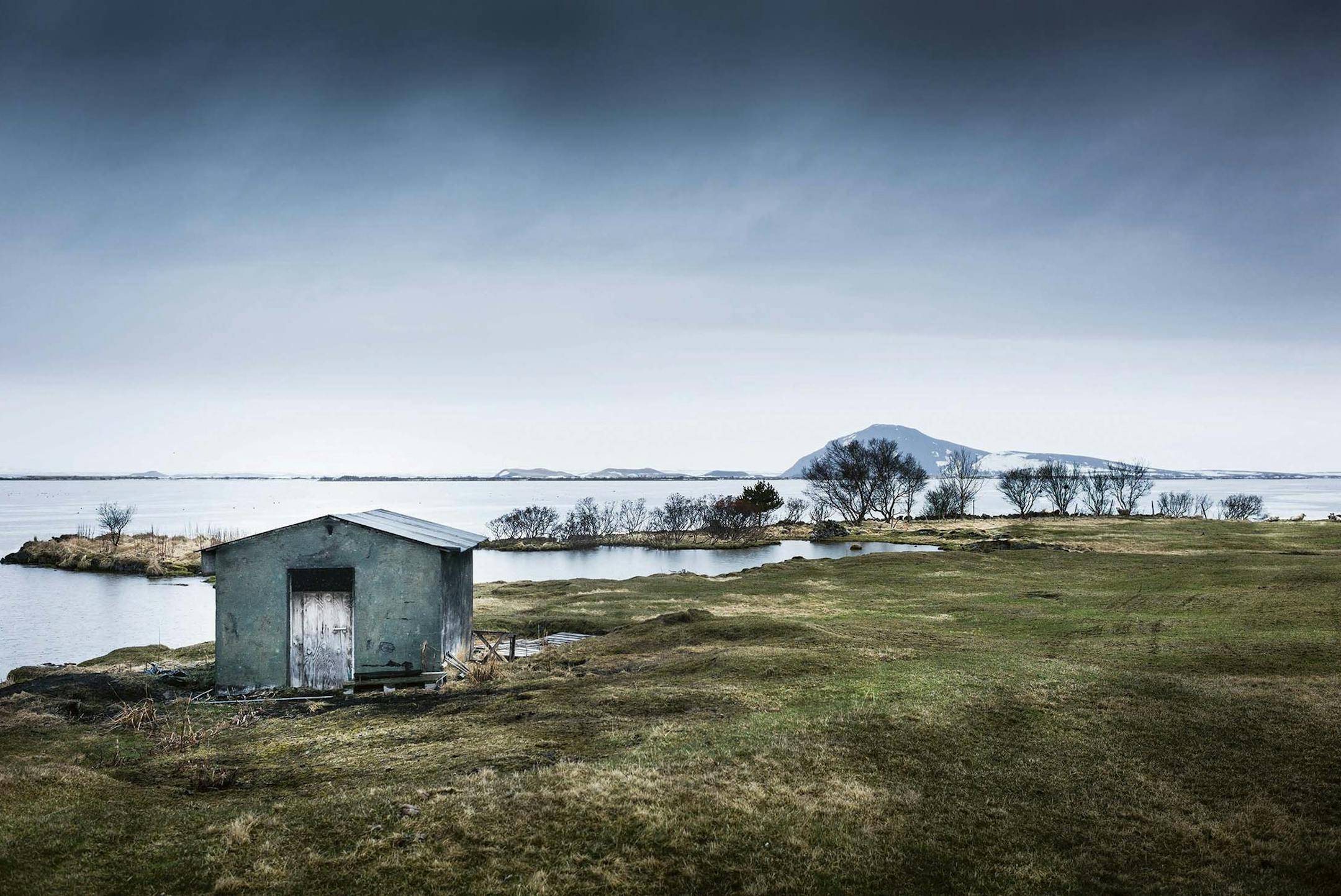
Two summer shows in Minneapolis afford occasion for musing about our ever evolving notions of landscape: "Seeing Nature," a collection of 39 paintings by marquee European and American artists at the Minneapolis Institute of Art through Sept. 18, and Magnus Nilsson's photos of austere Nordic vistas at the American Swedish Institute through Aug. 14.
"Landscape is a tool for seeing and knowing about the world," said Rachael DeLue, an associate professor of art at Princeton University, who recently spoke about "Seeing Nature" at the institute. "An artist sees the landscape in a particular way and brings his or her subjectivity to it, transforming it in a way that enables us to understand the world in a new way."
The big picture
A quick spin through cultural history suggests how landscapes can be tied to everything from philosophy, religion and social structure to the economics, architecture and history of their time. (Whew!)
Chinese scholars inked their nature-centered philosophy onto silk scrolls 500 years ago when they depicted humans as ant-sized pilgrims dwarfed by craggy mountains in formidable wilderness. By contrast, European humanists put people front and center, while reducing the landscape to postcard vistas glimpsed through windows (think "Mona Lisa"). And Christians turned nature into moralizing props (Eden's tree) or used landscapes as backdrops for spiritual dramas (annunciations, crucifixions).
By the 17th and 18th centuries, landscape paintings expressed possession, power and desire. British grandees had themselves portrayed before estates that trumpeted their status, while French courtesans were shown flipping their skirts in forest swings that hinted at easy conquests in naughty glades.
Out in the world, French King Louis XIV ordered his gardener, André Le Nôtre, to replace whole villages with formal gardens at Versailles, and English aristocrats hired Capability Brown to move rivers and contour vast farms and pastures into Arcadian pleasure grounds at Stowe, Blenheim and Hampton Court Palace.