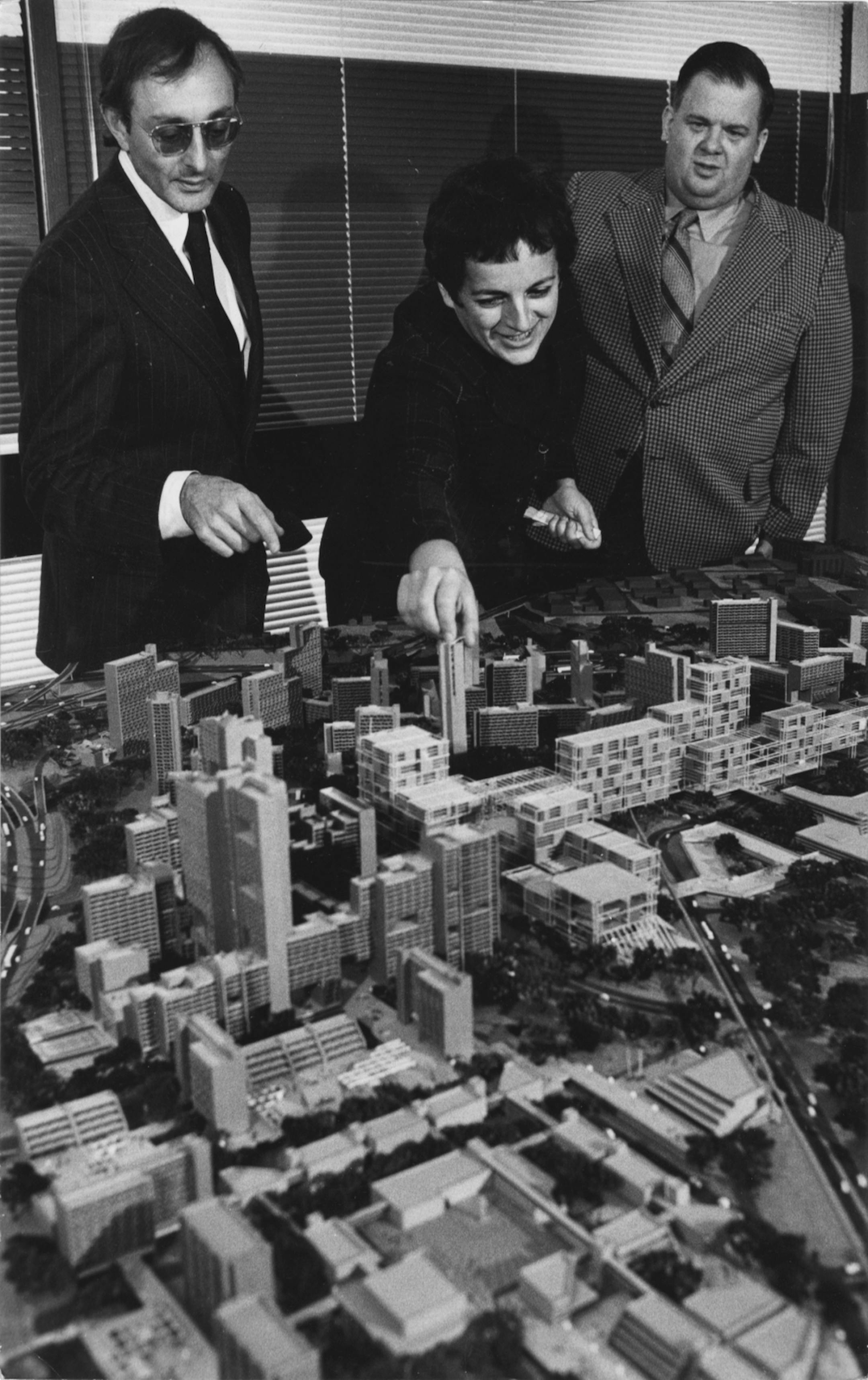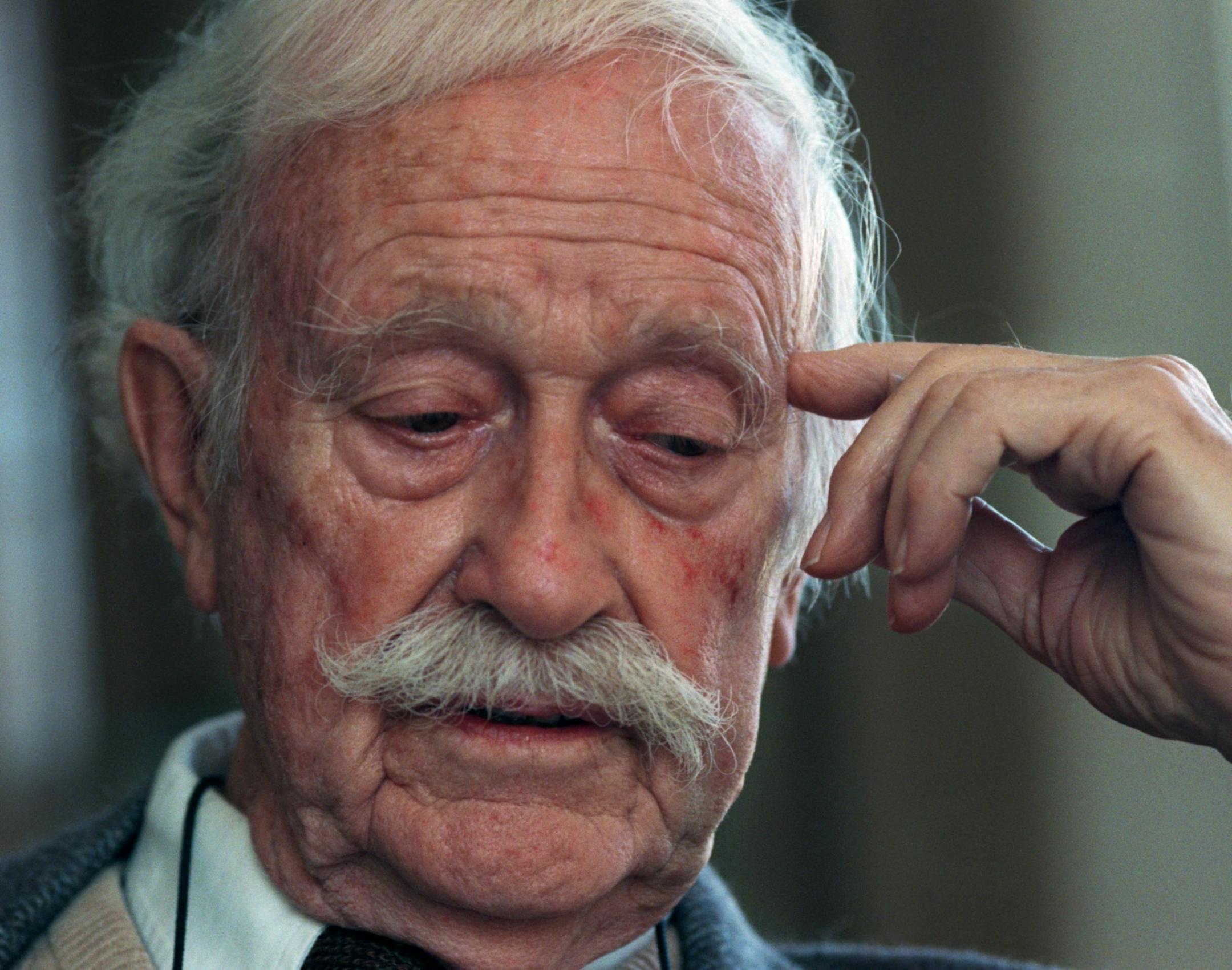
Minneapolis architect Ralph Rapson lived to 93, long enough to see his two most acclaimed buildings -- the glass-fronted Guthrie Theater on Vineland Place and the pavilion-like Pillsbury House on Lake Minnetonka -- torn down. He didn't live long enough to see his largest, most idealistic and most controversial project -- Cedar Square West -- renovated back to its 1970s-era design.
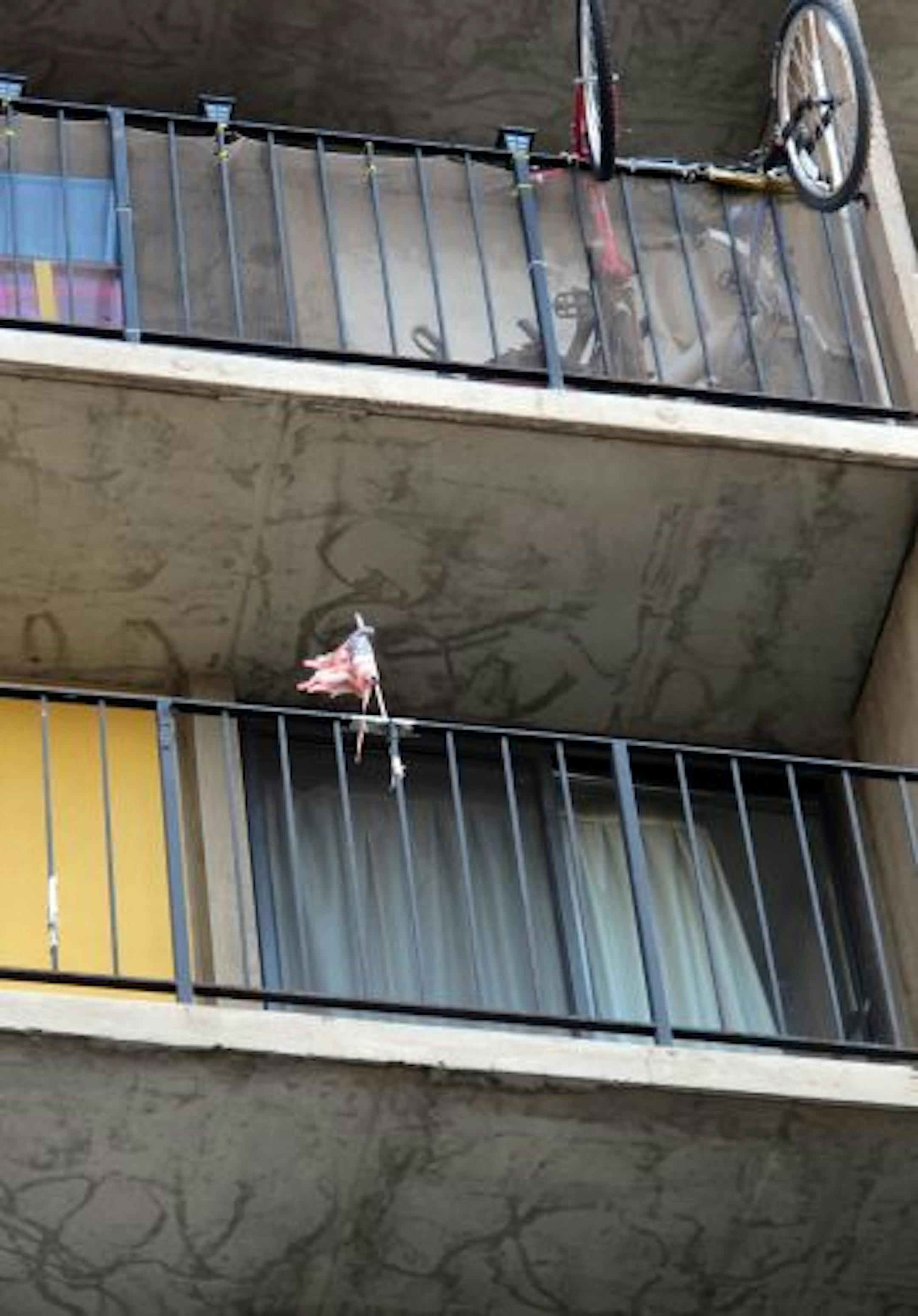
That's what's about to happen. The 40-year-old high-rise complex on the University of Minnesota's West Bank -- now named Riverside Plaza -- is poised for a $55 million upgrade.
Last month both the Minneapolis Heritage Preservation Commission and the Minnesota State Review Board recommended that the complex be listed on the National Register of Historic Places, though it is not yet 50 years old, the usual cutoff.
The historic designation enables Riverside Plaza's owner, Sherman Associates, to receive sizable state and federal historic tax credits to assist with the project's financing -- and assures that the renovation will receive the scrutiny that a historic property deserves.
Preservationists -- currently attuned to saving buildings of the recent past -- have enthusiastically supported the designation. Others find it shocking. Why would you want to preserve a pile of concrete high-rises that many consider ugly? How could something built in our lifetime be historic?
Let me count the ways.
Visible from the freeways that ring it, what is commonly called Cedar-Riverside is a physical landmark -- a signature on the city skyline. (It's also a nationally known pop culture icon as home to Mary Richards for part of "The Mary Tyler Moore Show.") More important, it is a social and architectural landmark -- a significant and surprisingly intact example of Rapson's Modernist legacy and a monument to an idealistic era when architects, planners and developers thought they could change human behavior.
A Utopian idea