1:16
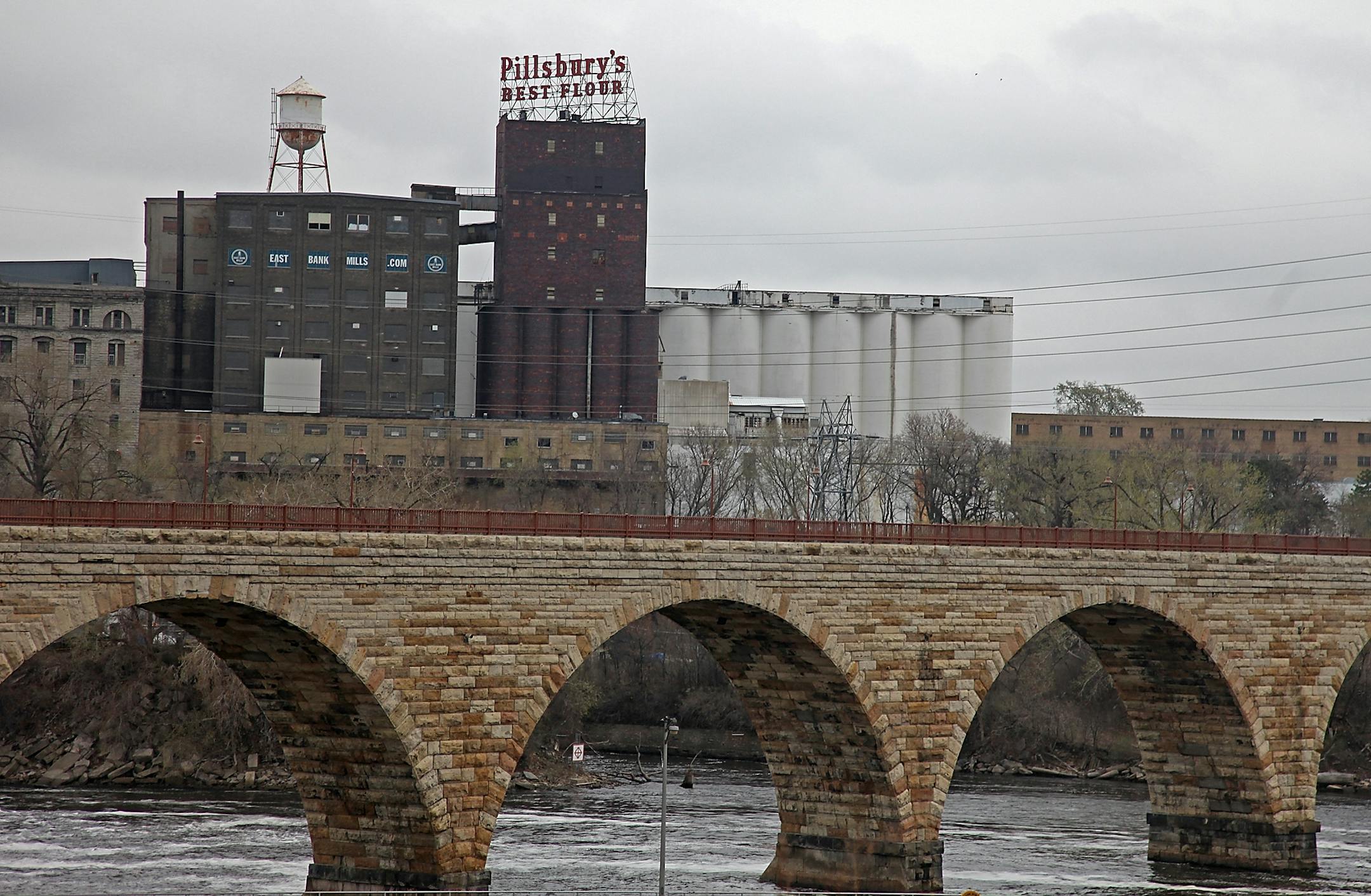
1:16More than 130 years after the Mississippi River was diverted to power the Pillsbury A-Mill, it continues to flow beneath the building -- its dull roar a constant reminder that this landmark helped make Minneapolis the flour capital of the world.
The mill stopped operating a decade ago, but the building is largely unchanged. Gaping holes in the floors mark where there were once grain chutes. Broken window panes reveal stunning views of downtown Minneapolis and St. Anthony Falls. In the disheveled offices, there's unopened mail and a pair of reading glasses on a desk, as though the people who once worked at the mill are just away on break.
Now, a robust rental market and an ambitious plan from a local developer could mean new life for the site. Dominium Co. plans to convert the complex into 255 rental apartments for low-income artists, including studios and performance spaces. The project will cost more than $100 million, making it one of the most expensive residential construction projects on the books in the Twin Cities.
"This is a once-in-a-lifetime opportunity to save this place," said Owen Metz, senior development associate for Dominium. "It's going to be an amazing project."
The project won't be easy. The building is one of only three in the city on the National Register of Historic Places and the National Trust for Historic Preservation called it one of the 11 most endangered historic places in the country last year.
While the project got a nod this week from the Minneapolis Historic Preservation Commission, the developer must seek approval from the city planning commission in April. The deal is expected to close this summer, but not without resistance. Opponents, including some who live in luxury condos next door, say low-income apartments might not be the best use for the complex.
A development challenge
When the mill operations moved out of the city more than two decades ago, the riverfront was largely a wild, untended stretch of abandoned industrial wasteland. Over the years, development has reclaimed most of that land and the A-Mill site remains one of the last -- and most coveted -- development opportunities along the river. It's also been one of the most challenging.