
10 things to watch in Minnesota's election results

November 4, 2014 at 2:32PM
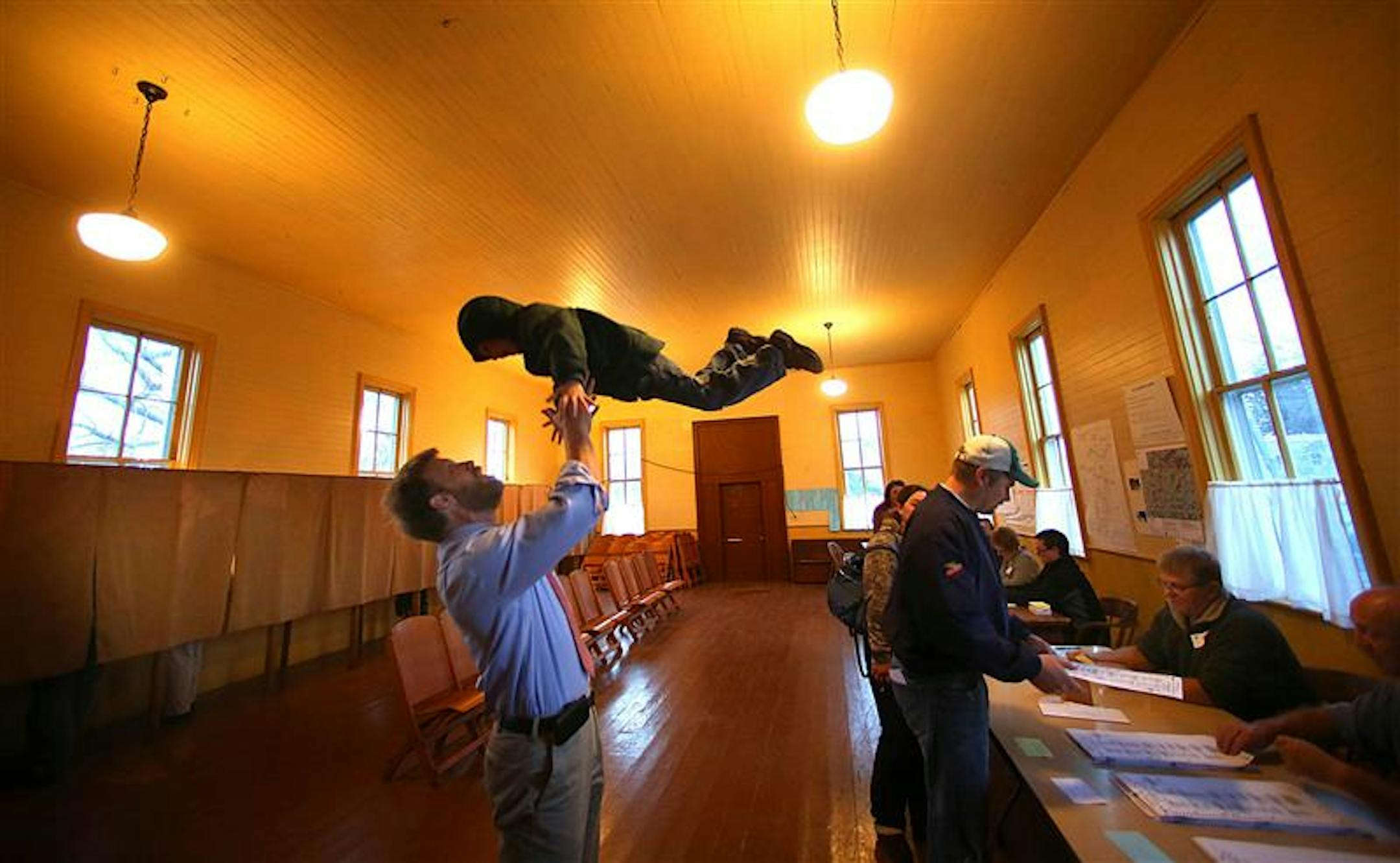
THIS RACE MUST BE A TOSSUP: Michael Delk played with his son, Noah, 4, while Noah's mother, Kris, finished voting at the Vasa Town Hall in Welch, Minn.
THIS RACE MUST BE A TOSSUP: Michael Delk played with his son, Noah, 4, while Noah's mother, Kris, finished voting at the Vasa Town Hall in Welch, Minn. (Paul Walsh — Star Tribune/The Minnesota Star Tribune)

With the clutter of news coming on Tuesday, here are 10 key things to watch for in the results:

1. Recount redux?: DFL Gov. Mark Dayton and U.S. Sen. Al Franken, Minnesota's recount twins, are back on the ballot again. Will their bids for re-election trigger another round of recounts?

2. Seven seats: That's how many Republicans need in order to flip control of the House from DFLers. Top targets outside the metro area are House Districts 17B, 14B, 10B, 27A, 12A and 11B. Suburban seats held by DFLers are also in the crossfire. Keep an eye on districts 48A, 56B, 43A, 51B, 51A and 44B. The counting may go more quickly in those suburban areas, so if those DFLers start to fall in large numbers, Republicans are likely to snatch control of the House.

3. Slow Eighth: St. Louis County, a massive northern Minnesota county in the heart of the contested Eighth Congressional District that includes Duluth, historically tends to lag when it comes to election results. Since nearly a third of the Eighth's population lives in this county, it could be late into the night before it is known whether Democratic U.S. Rep. Rick Nolan keeps his seat or is bounced by Republican Stewart Mills.

4. Battleground Seventh: Long held by Democratic Rep. Collin Peterson, the Seventh Congressional District has turned into an unexpected battleground, giving Peterson his first real fight in years as he defends his seat against Republican challenger Torrey Westrom. Results here would give either party a reason to claim that its massive influx of cash helped save the day.

5. Major or minor IP: Minnesota's Independence Party, which once elected one of the nation's few third-party governors, could be on the verge of losing its major-party status in the state. Top candidates have failed to break out of single digits in polling, and if no statewide IP candidate gets at least 5 percent of the vote, the party will descend to minor status on Dec. 31.

6. Going Green: Watch for results in the four-way race for attorney general, where former DFL state Rep. Andy Dawkins may hold the key to major status for Minnesota's Green Party. Running as a Green, Dawkins could lift the party to major status if he attains 5 percent in his race to unseat DFLer Lori Swanson, ushering in a new era for that party.

7. House recounts: Some of the hardest-fought statehouse races could wind up being too close to call. If the candidates are less than one-half of one percent apart, the state will pay for a recount. That could delay by days or weeks any clear determination of which party will control the House come January.
8. Turnout matters: In midterm elections, voters' participation drops of precipitously. DFLers will be closely watching turnout numbers in the urban core. Low turnout could hurt the DFL statewide candidates' chances. Republicans will watch just as closely in the heavily GOP Sixth Congressional District for similar signs of statewide GOP success.

9. Local hot spots: While most attention statewide has gone to the big-ticket races, cities, counties and school boards may also see a shake-up on Tuesday. Minneapolis voters will decide whether to loosen the restrictions on restaurants' liquor sales. Those local races can create turnout hot spots that affect races higher up the ballot.

10. Surprise: It's Election Day. Even with all the planning and preparation, polling-place problems are sure to pop up. Although lines may not be long, voters are still well-advised to look up their polling places, study sample ballots and be prepared when they go to vote.

Rachel E. Stassen-Berger

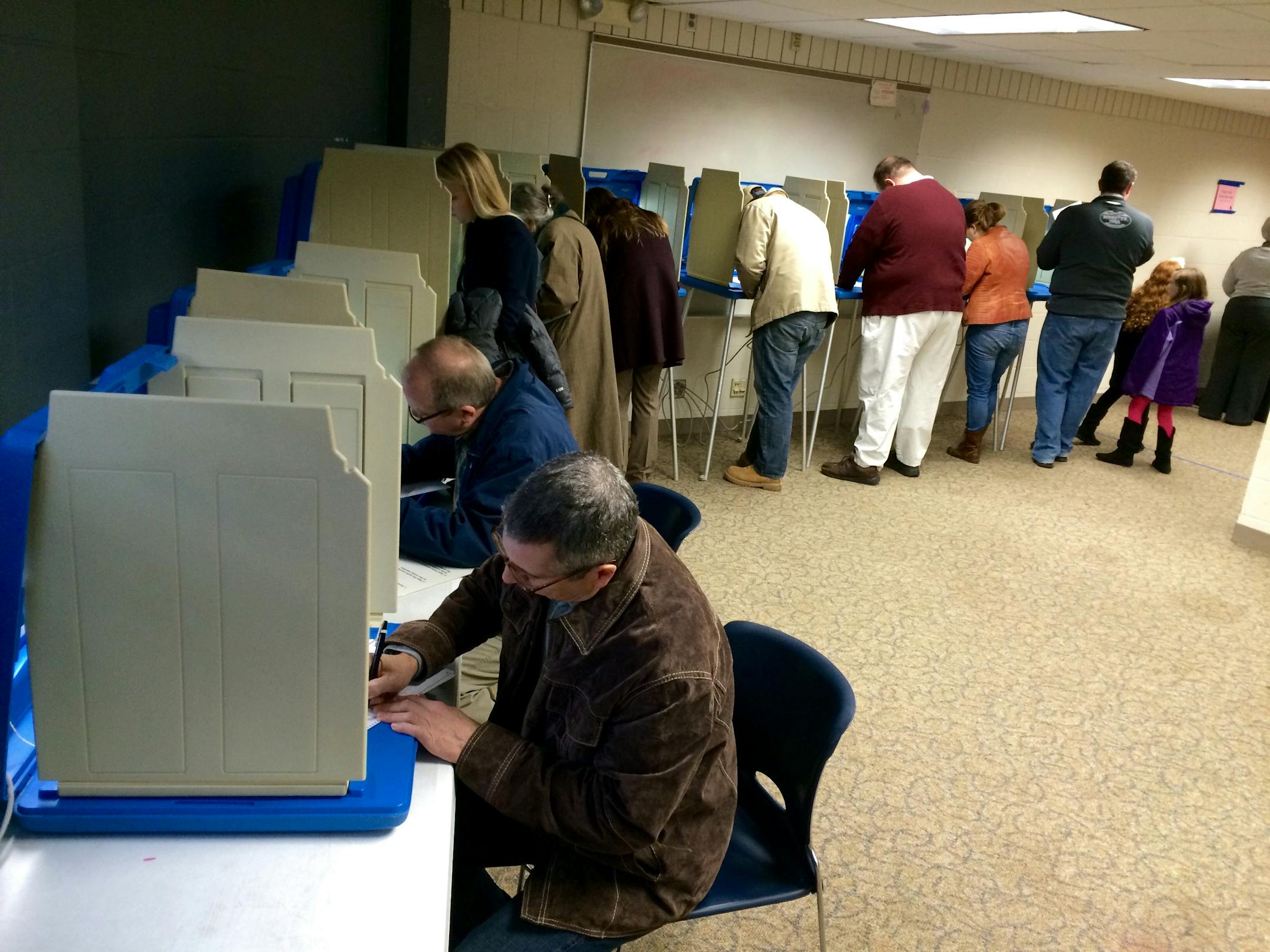
Voters fill out ballots at Martin Luther King Jr. Recreation Center in St. Paul on Tuesday, Nov. 4, 2014.
Voters fill out ballots at Martin Luther King Jr. Recreation Center in St. Paul on Tuesday, Nov. 4, 2014. (Terry Sauer — Star Tribune/The Minnesota Star Tribune)
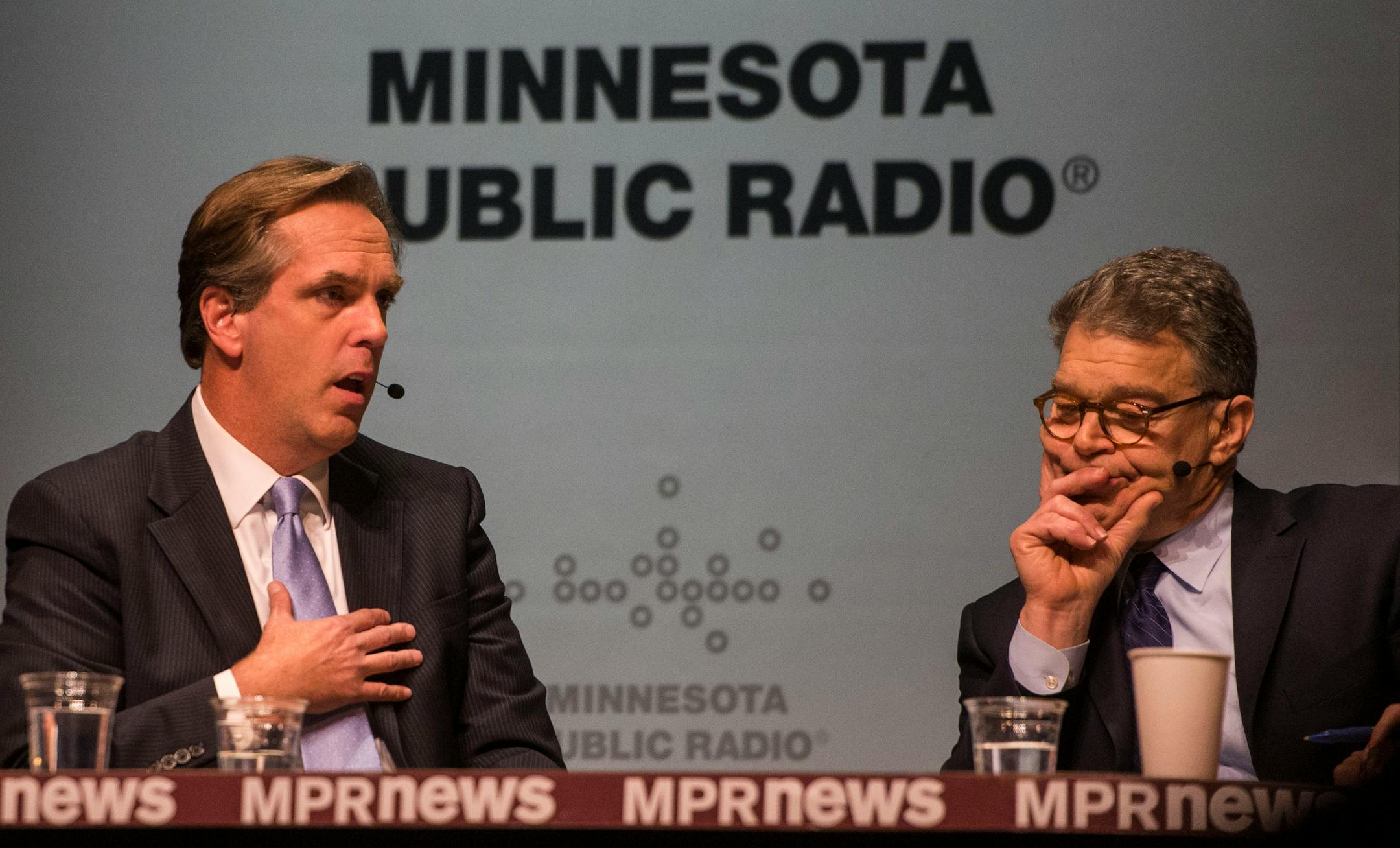
Mike McFadden, left, and incumbent Sen. Al Franken, D-Minn., met at the Fitzgerald Theater in St. Paul on Sunday in their final debate before the election for the U.S. Senate seat.
Mike McFadden, left, and incumbent Sen. Al Franken, D-Minn., met at the Fitzgerald Theater in St. Paul on Sunday in their final debate before the election for the U.S. Senate seat. (Brian Wicker — ASSOCIATED PRESS file photo/The Minnesota Star Tribune)
about the writer

about the writer

More from No Section

See More
FILE -- A rent deposit slot at an apartment complex in Tucker, Ga., on July 21, 2020. As an eviction crisis has seemed increasingly likely this summer, everyone in the housing market has made the same plea to Washington: Send money — lots of it — that would keep renters in their homes and landlords afloat. (Melissa Golden/The New York Times) ORG XMIT: XNYT58
Melissa Golden/The New York Times

It’s too soon to tell how much the immigration crackdown is to blame.