

 0:52
0:52Six years ago, the state decided that by 2012 Minnesotans should be recycling 80 percent of the billions of drink containers they use every year — a lofty goal that would keep it at the forefront of waste reduction nationally.
Since then the recycling rate hasn't budged. At best, Minnesotans recycle less than half of the water, pop, beer, iced tea, fruit juice and energy-drink containers they use, with the rest winding up in landfills and garbage burners.
That contradiction explains what is expected to be a contentious public hearing Tuesday in St. Paul on one surefire way to change consumers' habits: Turn beverage containers into cash by putting a 10 cent deposit on each one.
Such a fee would catapult the statewide recycling rate to 84 percent, a new analysis found, just as it has in some other states with similar laws. In addition, it would drastically reduce the energy and raw materials consumed in making new containers, along with greenhouse gas emissions and litter.
But it would also scramble the deck, creating winners and losers, in the state's $8.5 billion recycling industry.
The state analysis projected that the recycling initiative would add about 1,000 jobs to a business that already has a $2 billion payroll in Minnesota, and save million of dollars for local governments. On the flip side, it would rob about $4.6 million in marketable commodities — plastic, aluminum and glass — from both public and private collectors that now sell it.
Instead, that revenue would help subsidize a new system of recycling hubs — along with $29 million from companies like Coca-Cola, Nestlé and other manufacturers, which have successfully fought a refund law for decades in part because they would be expected to pay for it.
And consumers? Recycling analysts say their costs might go up by less than one half-cent per container, but they would be saddled with an added chore: Taking bottles to a redemption center or grocery store to get their deposits back.
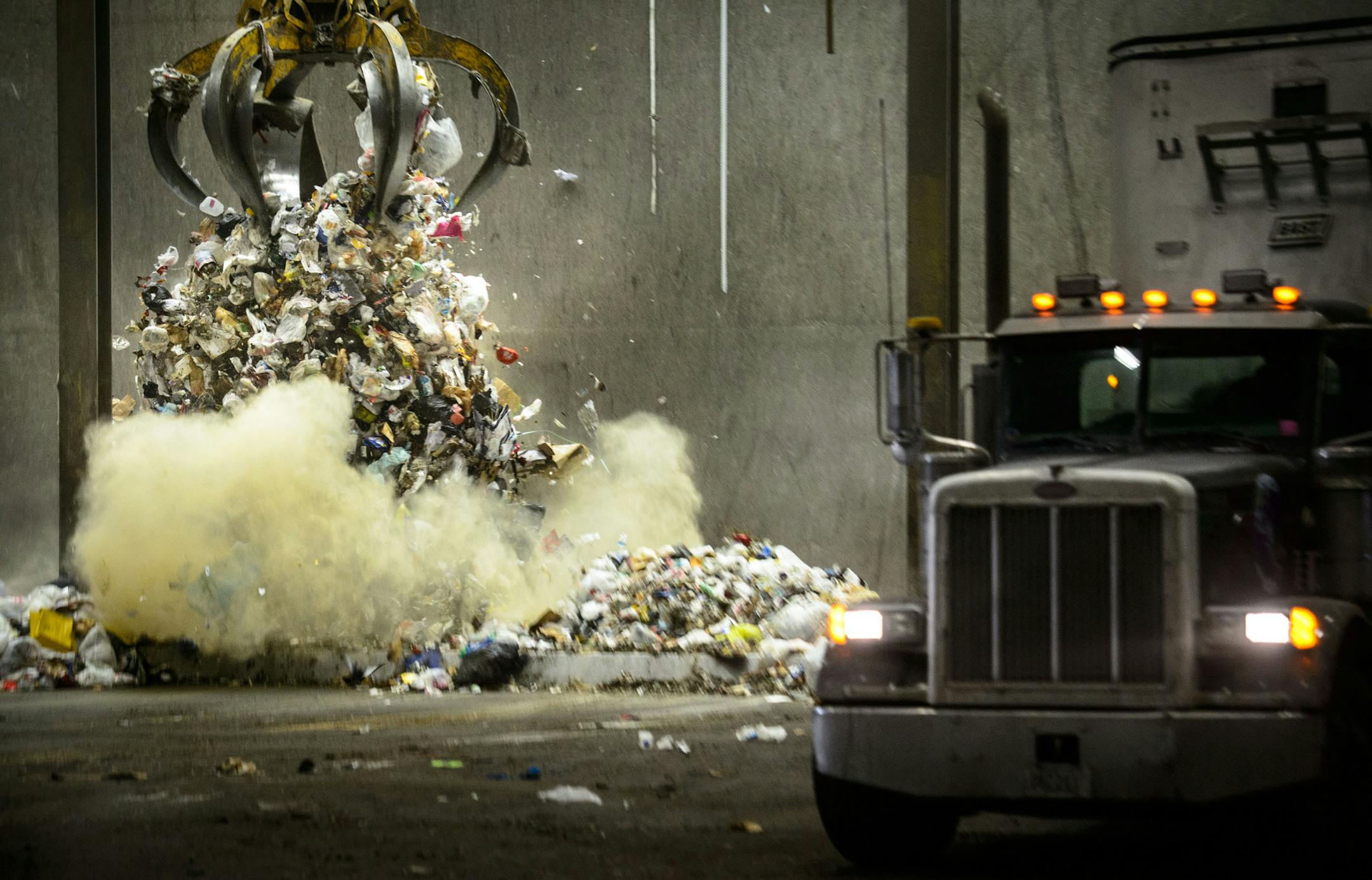
![The Hennepin Energy Recovery Center (HERC) is a waste-to-energy facility that burns garbage to generate energy. Operators fluff the garbage to make it easier to burn. A public hearing Tuesday will explore the possibility of using beverage container deposits as a way to increase recycling. Monday, January 13, 2014 ] GLEN STUBBE * gstubbe@startribune.com](https://arc.stimg.co/startribunemedia/T6RJDA3DJRKT3KUPBUUYEUVLIA.jpg?&w=1080)
![The Hennepin Energy Recovery Center (HERC) is a waste-to-energy facility that burns garbage to generate energy. Operators fluff the garbage to make it easier to burn. A public hearing Tuesday will explore the possibility of using beverage container deposits as a way to increase recycling. Monday, January 13, 2014 ] GLEN STUBBE * gstubbe@startribune.com](https://arc.stimg.co/startribunemedia/B5Y4HCAZS6QLRFABQUHTPLVOEY.jpg?&w=1080)


