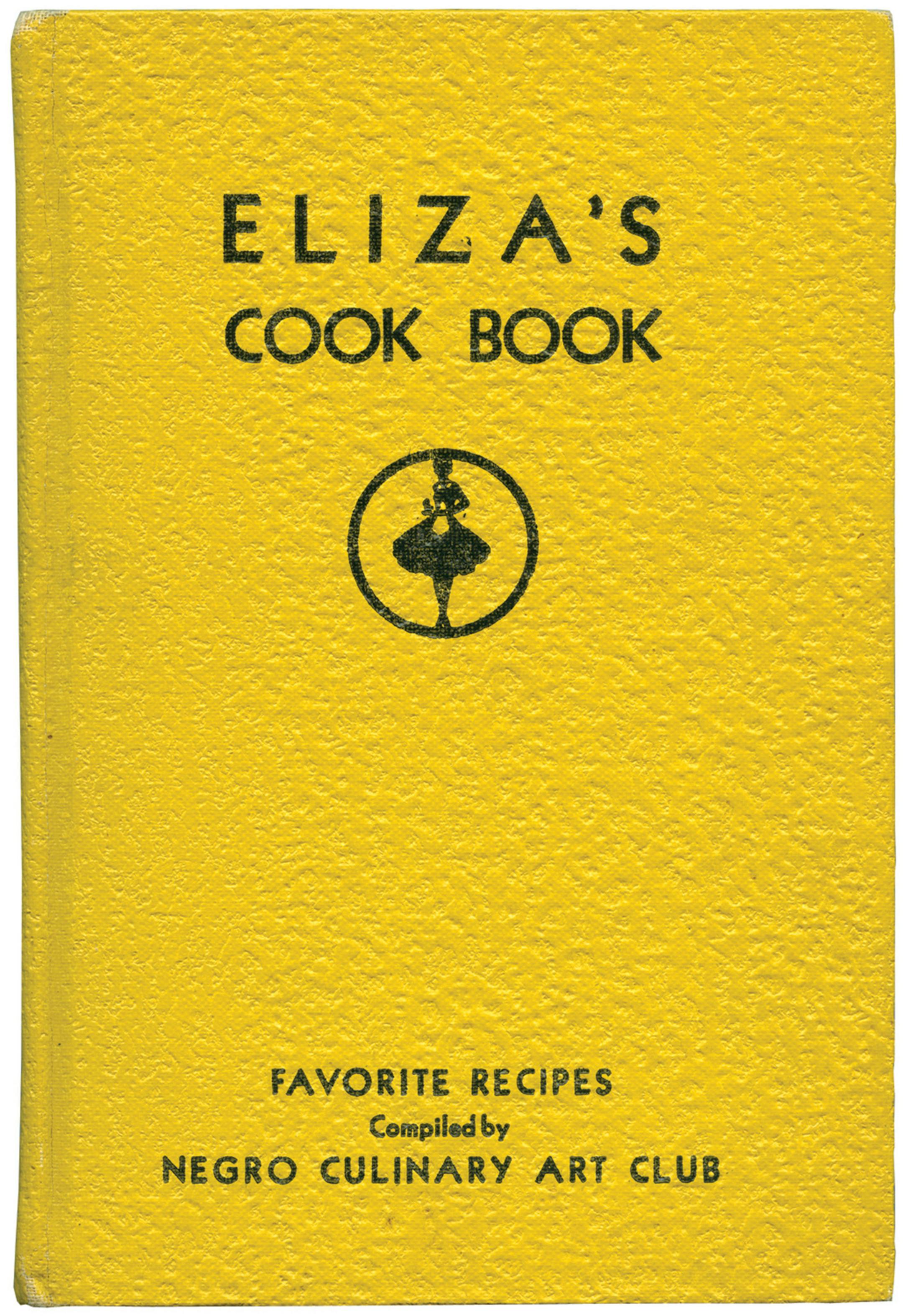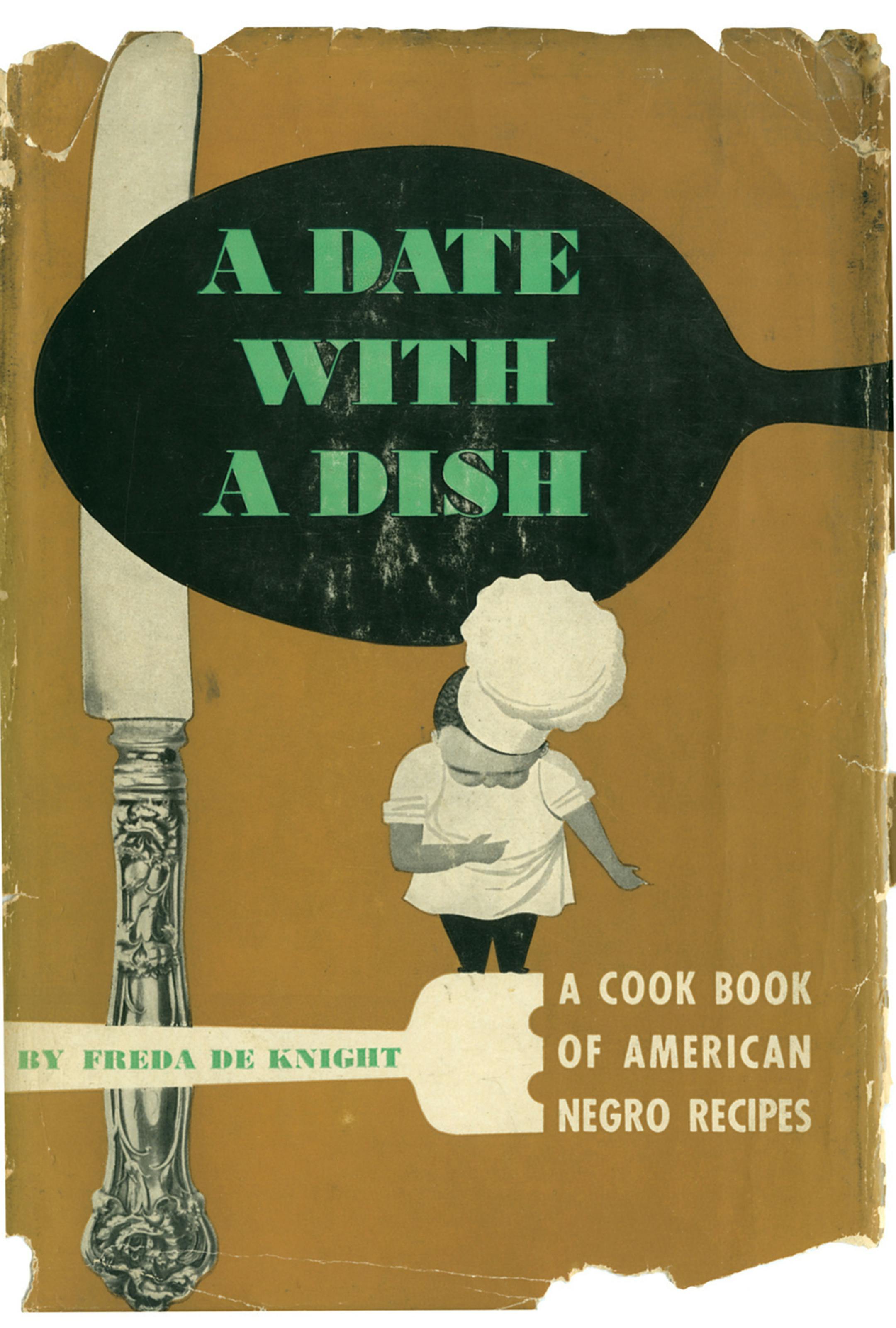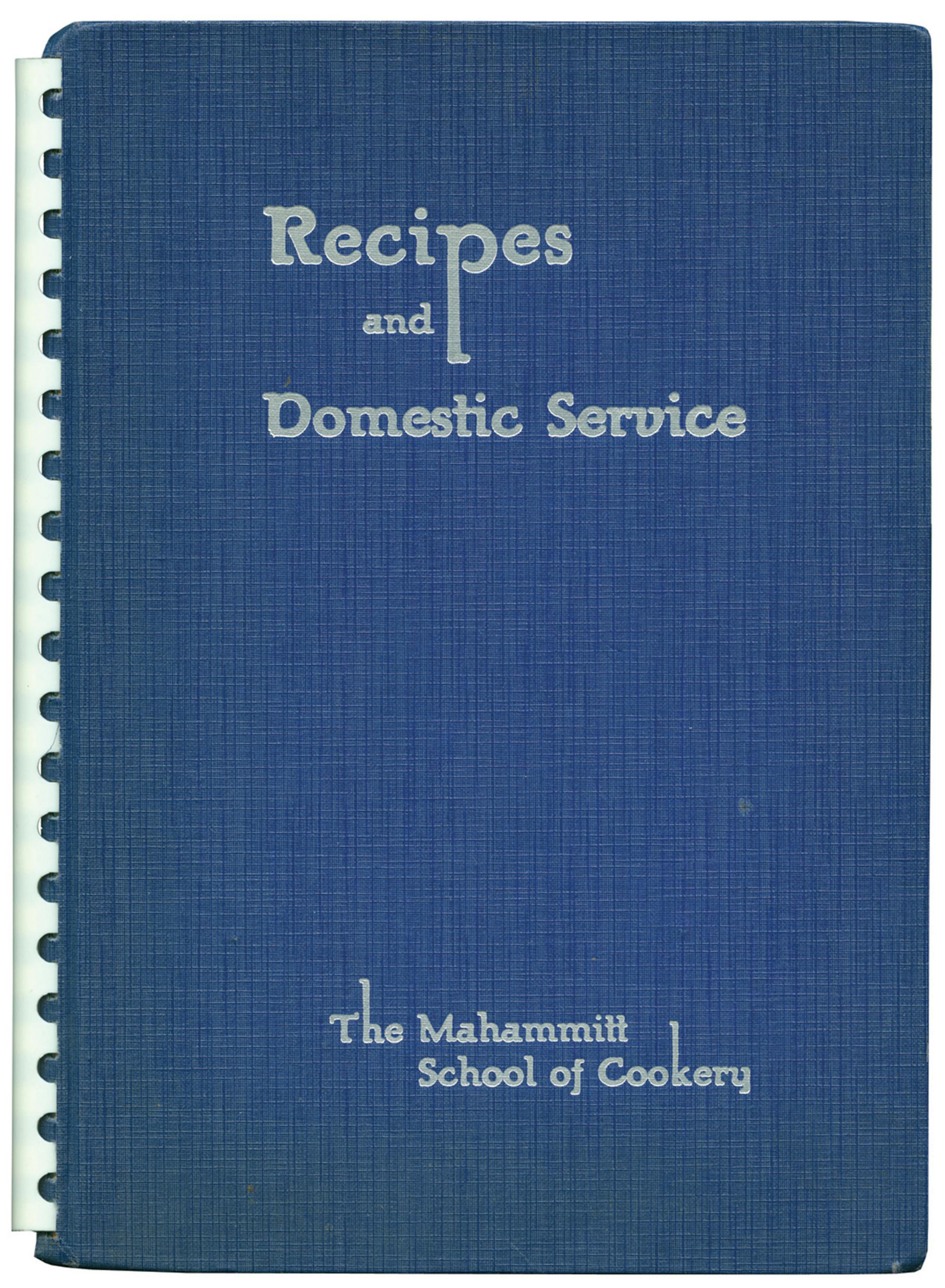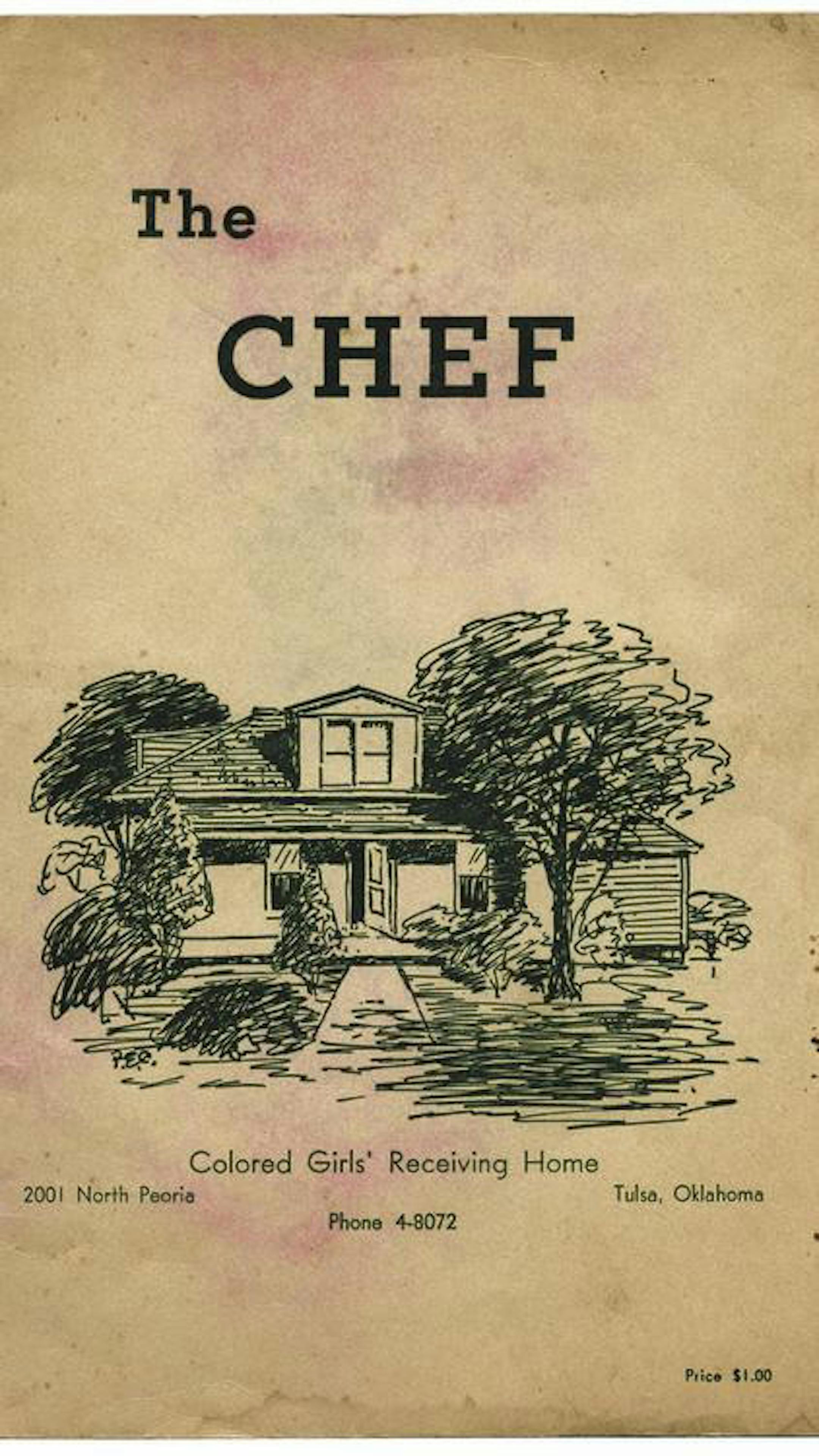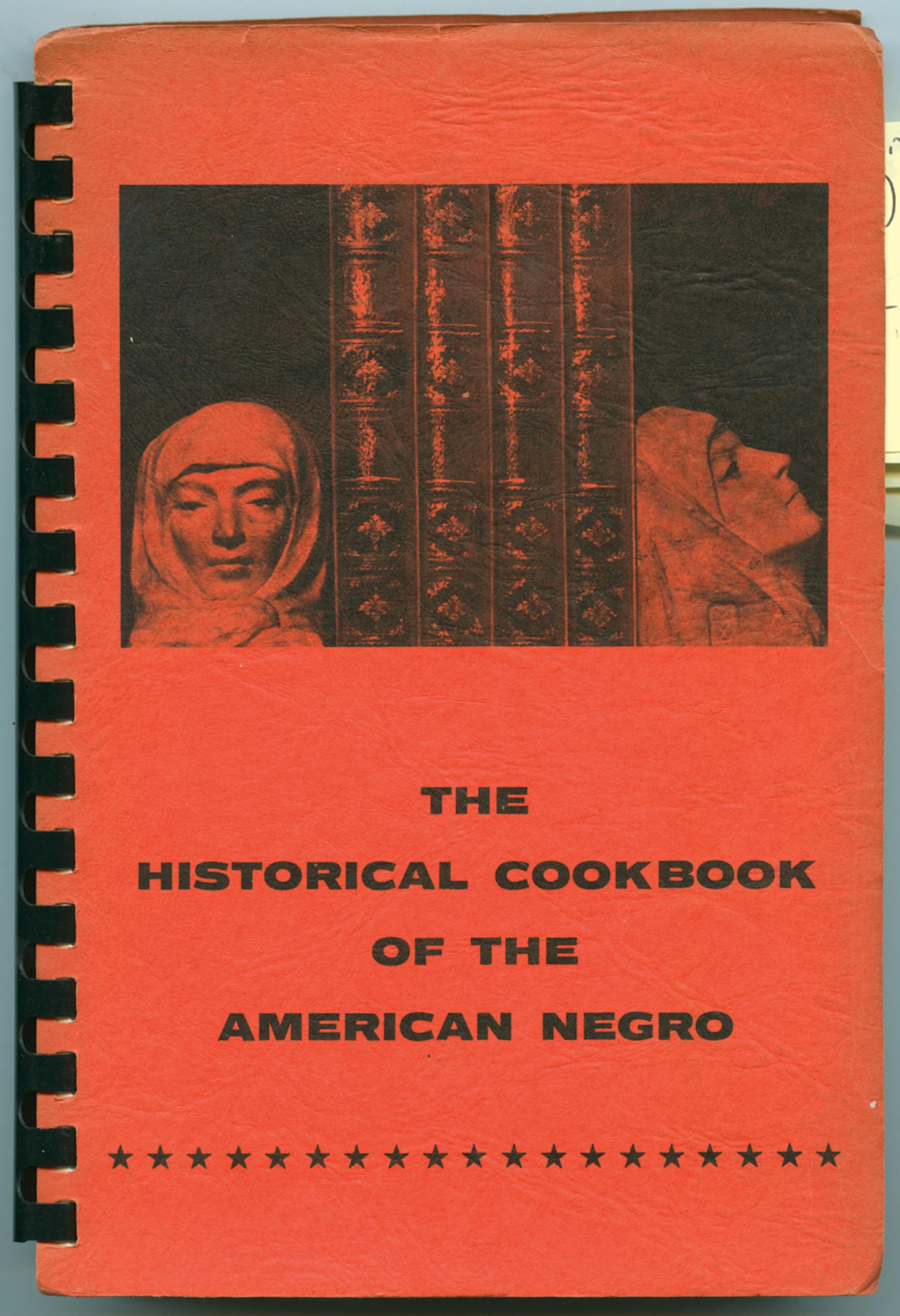
"The Jemima Code" by Toni Tipton-Martin chronicles two centuries of African-American cookbooks, profiling the authors, describing the books, placing the works in a broader cultural and historical context. She gives these authors and their books the proper attention — and respect — they deserve.
"The cookbook authors introduced in 'The Jemima Code' present a new picture, one that replaces the Aunt Jemima asymmetry, granting recognition to a group of people with little traditionally documented history," writes Tipton-Martin, of Austin, Texas, in the book.
"It was important for me to dispel the myth in the same way it was created," she said in an interview. "Here, I tried to the best of my ability to see them through a professional lens and what it took for them to do their work and what the work means for the rest of us today."
More than 150 books are included in "The Jemima Code." The 10 books listed here (organized in chronological order) resonate most with Tipton-Martin.
"At the time, publishing was so rare they wanted a particular kind of message to be conveyed," she said of these works. "And since they couldn't be published in the trade, they were free to publish whatever their truth was."
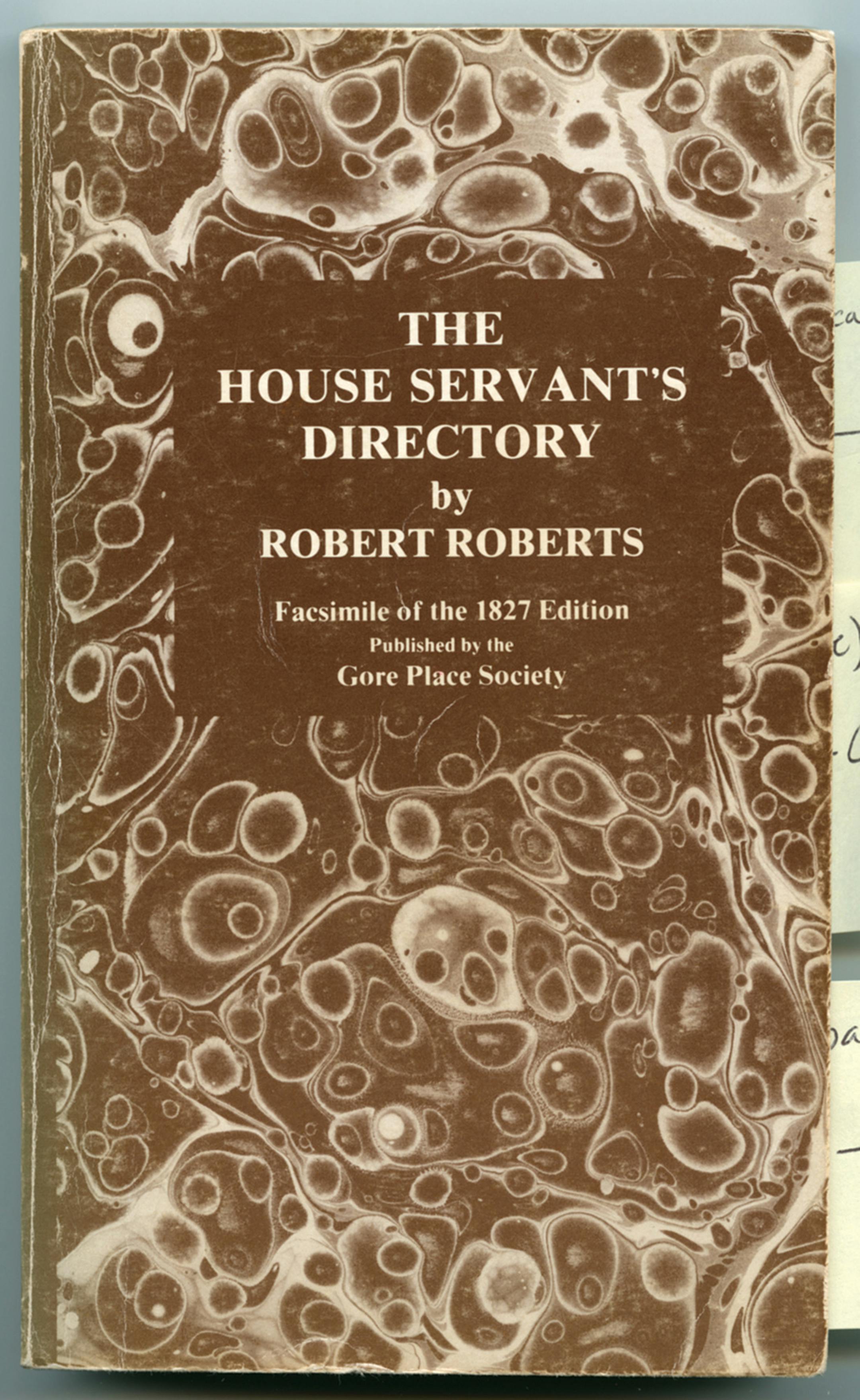
"The House Servant's Directory," by Robert Roberts (1827). This book on household management, "along with 105 recipes for household remedies, cleaning products and some dishes" is "the first book of any kind by an African American, that we know of, to be trade published," writes Tipton-Martin, who chose this work, in part, because it clearly expresses his values, work ethic, personal character and management style.
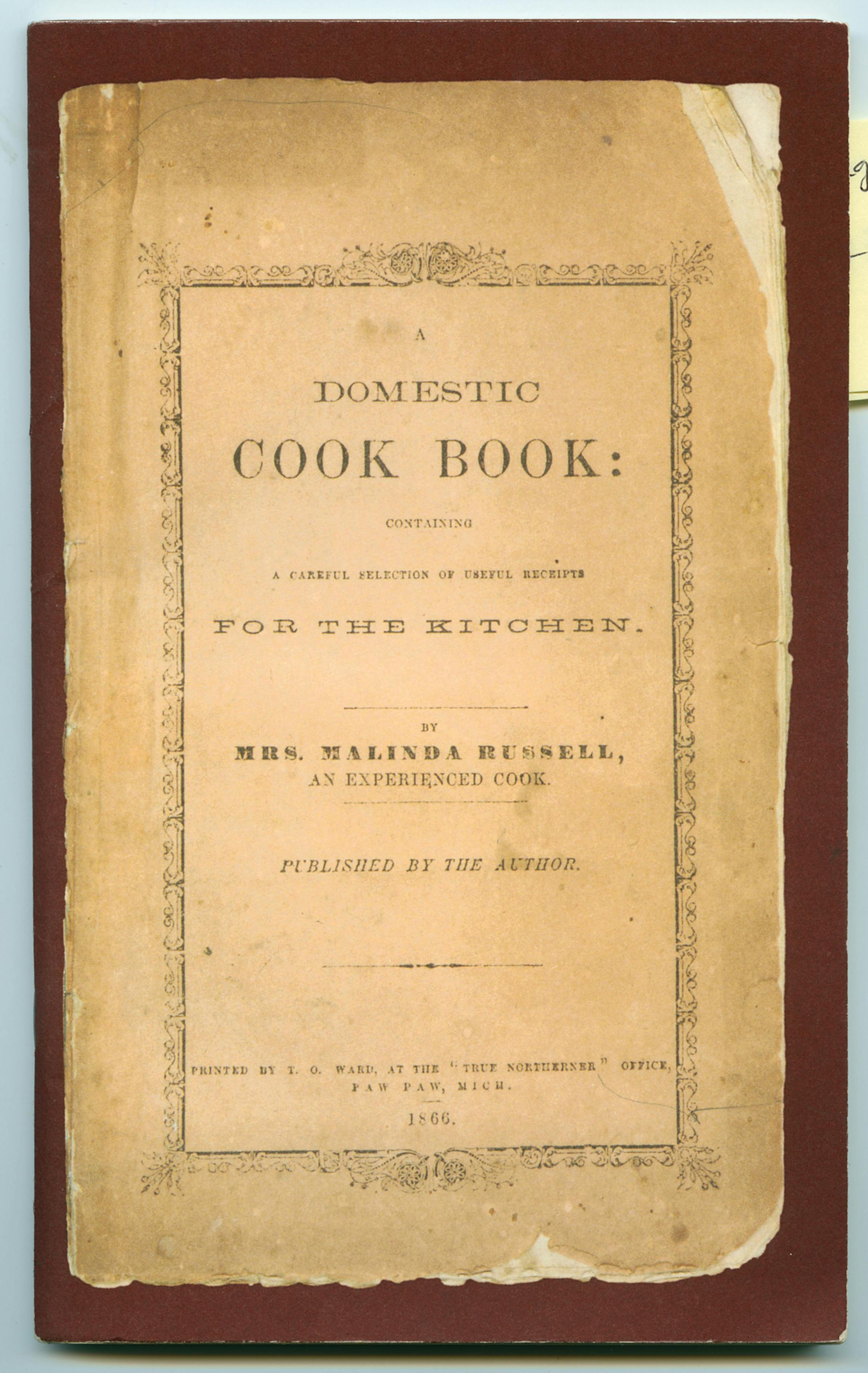
"A Domestic Cook Book: Containing a Careful Selection of Useful Receipts for the Kitchen," by Malinda Russell (1866). The author, a "free woman of color" who identifies herself as "an experienced cook," wrote the book to raise money so she could return to her home in Tennessee. "She shows us how to use a culinary career to liberate herself and her children from poverty," writes Tipton-Martin.
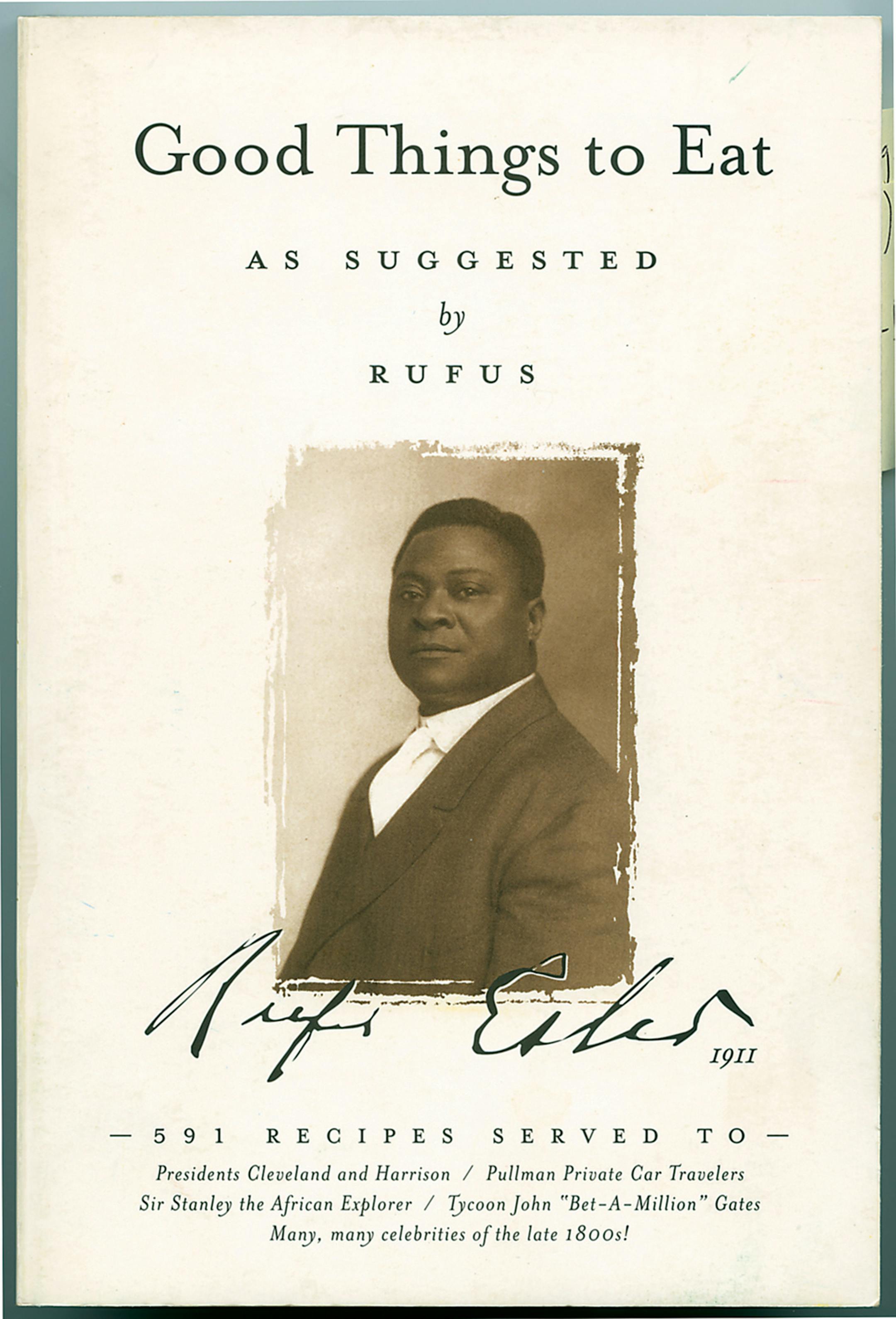
"Good Things to Eat, as Suggested by Rufus," by Rufus Estes (1911). This is the first cookbook by an African-American referred to as a chef. "That's not a term we often associate with African-American cooks," Tipton-Martin said. "Rufus speaks to the beauty of the craft."