
Xcel CEO: Climate change should be bipartisan issue

U conference keynote likened global warming to the ozone depletion problem of the 1970s.

June 15, 2019 at 12:09AM
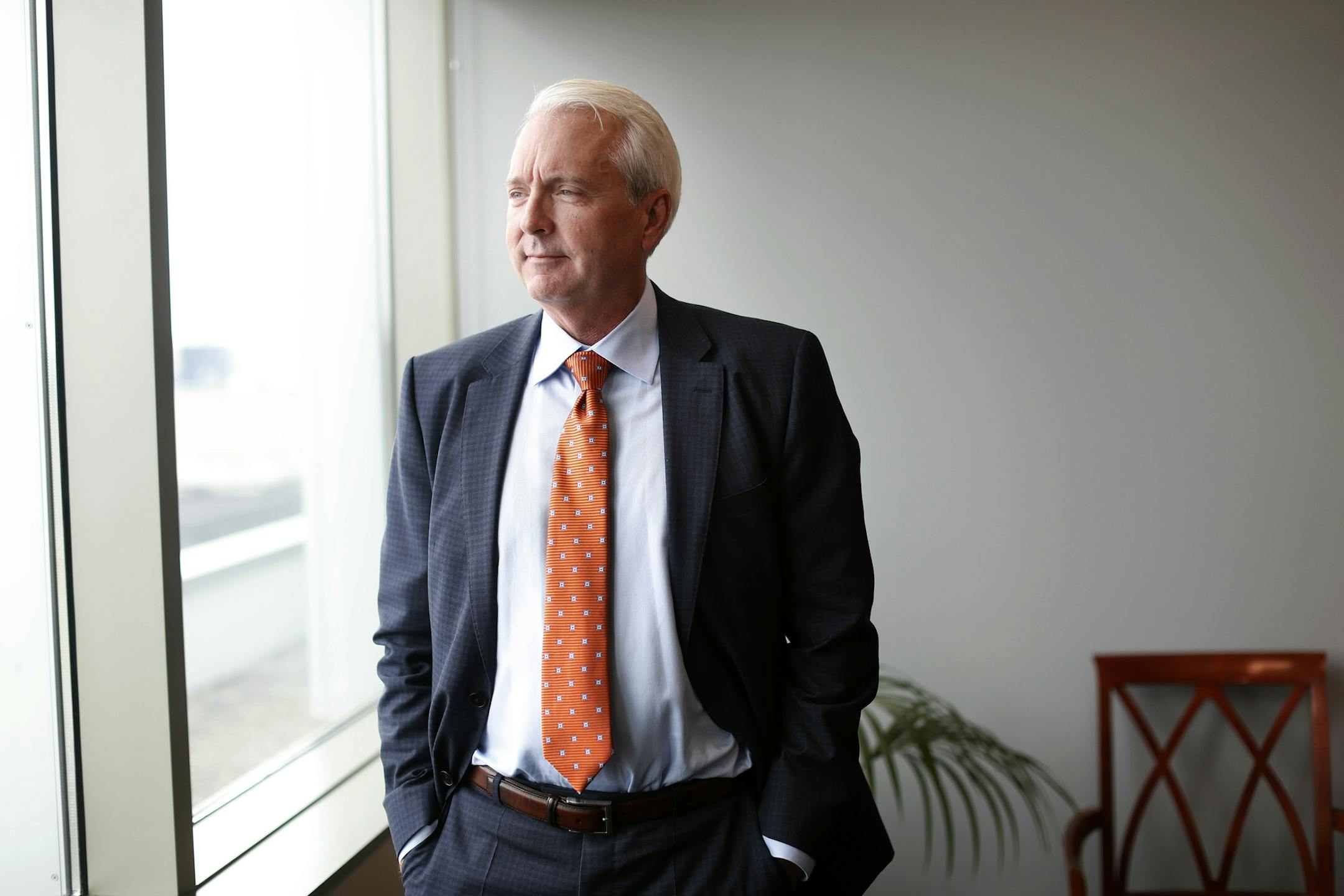
Xcel CEO Ben Fowke (Jerry Holt/Star Tribune)
Xcel CEO Ben Fowke (The Minnesota Star Tribune)

Climate change has become a partisan political issue, and the transportation sector — particularly motor vehicles — is the next big greenhouse gas source that needs a major makeover.

That was the message Friday from two keynote speakers at a clean-energy conference organized by the University of Minnesota's Institute on the Environment.

"It's unfortunate the issue of climate change is becoming a partisan issue," Xcel CEO Ben Fowke told a full house at the U's McNamara Alumni Center. "It should be bipartisan."

Fowke likened global warming to the ozone-depletion problem that surfaced in the late 1970s. The manufacture of certain chemicals — notably chlorofluorocarbons — dissipated the ozone layer of the earth's atmosphere, which blocks harmful ultraviolet light.

Through bipartisan efforts in the United States and internationally during the 1980s, agreements were made to freeze and eventually reduce the production of chlorofluorocarbons. Fowke said those efforts were like an "insurance policy."

"Today, we can take out that insurance policy" on climate change, Fowke said. And it can be done cost-effectively, he added.

While Minneapolis-based Xcel still generates 42% of its electricity in the Upper Midwest from fossil fuels — primarily coal — it is among the most aggressive U.S. utilities in targeting coal plants for early closure. Burning coal is the greatest source of greenhouse gases in the utility industry.

Xcel, which is also the nation's leading wind-power utility, has a goal of generating 100% carbon-free energy by 2050. The company is counting on the development of new cost-effective technologies to meet that target, which could otherwise be quite expensive.

The U.S. utility industry has had the most success of any major industrial sector in decreasing carbon emissions, though it still has a long way to go.

"We have clearly made progress in the state's power sector over the last decade," Kate Wolford, president of the Minneapolis-based McKnight Foundation, said at Friday's conference. Climate change and clean energy are one focus area of the foundation.

But carbon-emissions reduction in the transportation sector — both in Minnesota and nationwide — has been considerably less than the reductions seen in power generation.

In Minnesota's electricity sector, greenhouse-gas emissions fell 29% from 2005 to 2016, according to a report earlier this year from the Minnesota Pollution Control Agency and the Minnesota Department of Commerce. During the same time, transportation emissions fell only 8%.

Transportation has overtaken electricity production as Minnesota's leading source of greenhouse gas emissions. "This is where we need to double down," Wolford said.

Mike Hughlett • 612-673-7003

about the writer

about the writer

Mike Hughlett

Reporter

Mike Hughlett covers energy and other topics for the Minnesota Star Tribune, where he has worked since 2010. Before that he was a reporter at newspapers in Chicago, St. Paul, New Orleans and Duluth.

See Moreicon

More from Business

See More
card image
Jerry Holt/The Minnesota Star Tribune

President Donald Trump’s order starts the process of reclassifying cannabis alongside drugs with recognized medical uses, a change that could reshape taxes and enforcement in Minnesota.

card image
card image