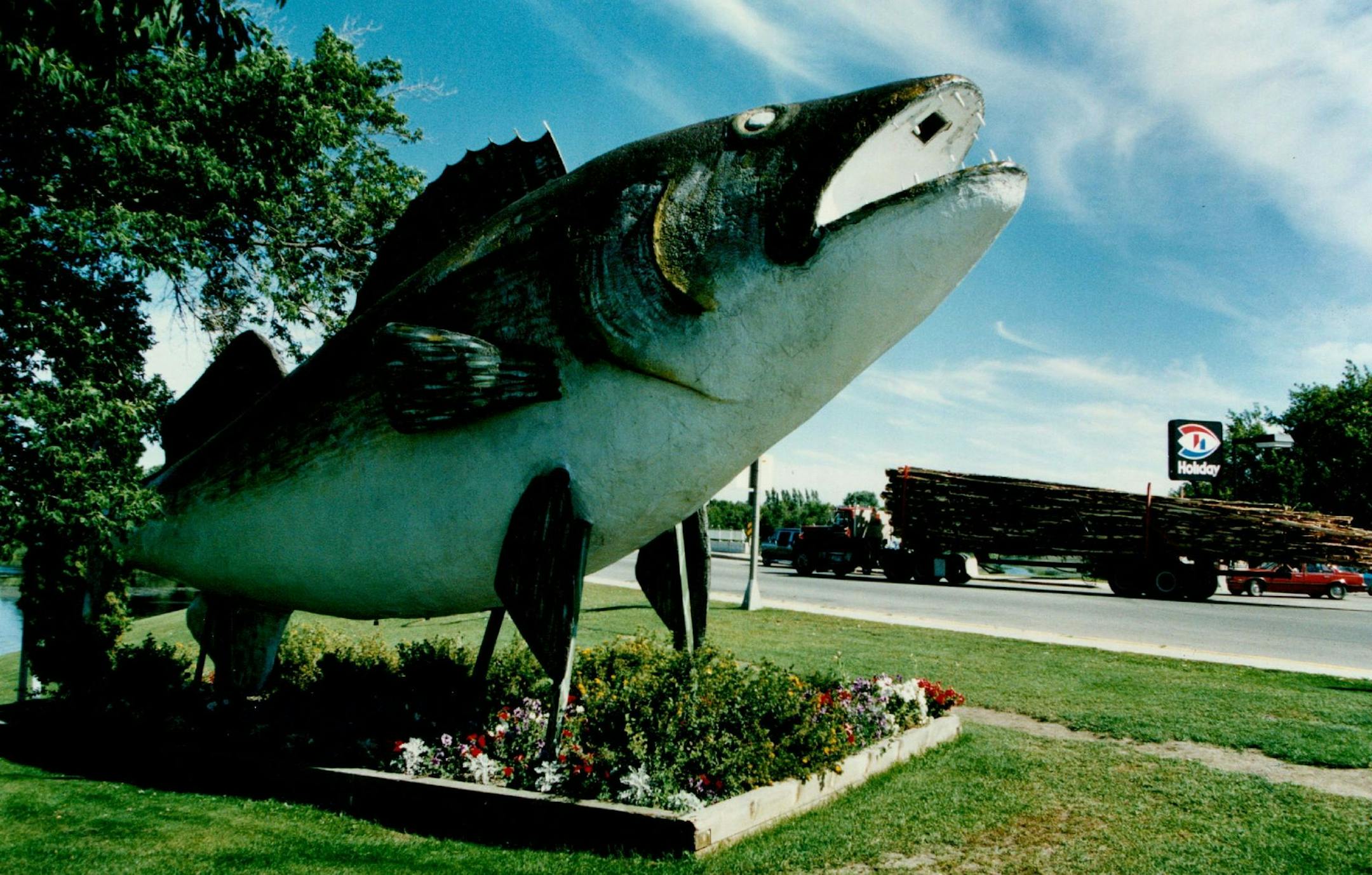
1 "Willie Walleye" in Baudette, Minn. "It's the world's largest walleye sculpture!" said Nicole Grabow, an objects conservator for the Minnesota Art and Conservation Center (MACC). "It's 40 feet long and it's made of concrete with reinforced steel." Created in 1959, Willie is a source of pride in Lake of the Woods County, along the Canadian border. Thanks to the state's Legacy Amendment, Willie has been receiving some extra upkeep of late. Check out his new, improved look at Willie Walleye Day on June 6. www.lakeofthewoodshistoricalsociety.com
2 "Woman With Mask" at Rourke Art Museum. Founded in 1965, the Moorhead museum nurtured a bond with Fritz Scholder, an important American Indian modernist born 50 miles south, in Breckenridge. It hosted one of Scholder's early solo exhibits and collected a number of his paintings and sculptures. "But the one piece we always have on display is this beautiful bronze from 1985," said executive director Meredith Lynn. Bonus: It's displayed alongside works by Lichtenstein, Rauschenberg and Warhol. 521 Main Av., Moorhead; 1-218-236-8861; www.therourke.org
3 "Niimii" in Bemidji. "Niimii is a big, rusty Native American dancer," said Albert Bellevau, a Bemidji-based sculptor who oversees the beloved Bemidji Sculpture Walk. Created by Minnesota metalworker Wanda Odegard, it was one of the first sculptures to grace the annual rotating sculpture walk, which premiered in 1999. It's so popular that the 12-foot steel powwow dancer was given a permanent spot near Bemidji's tourist information center. Bellevau is in the process of moving it to a new perch "kind of in the center of 3rd Avenue," he said. Look for Niimii in her new home this August or September. www.bemidjisculpture.org
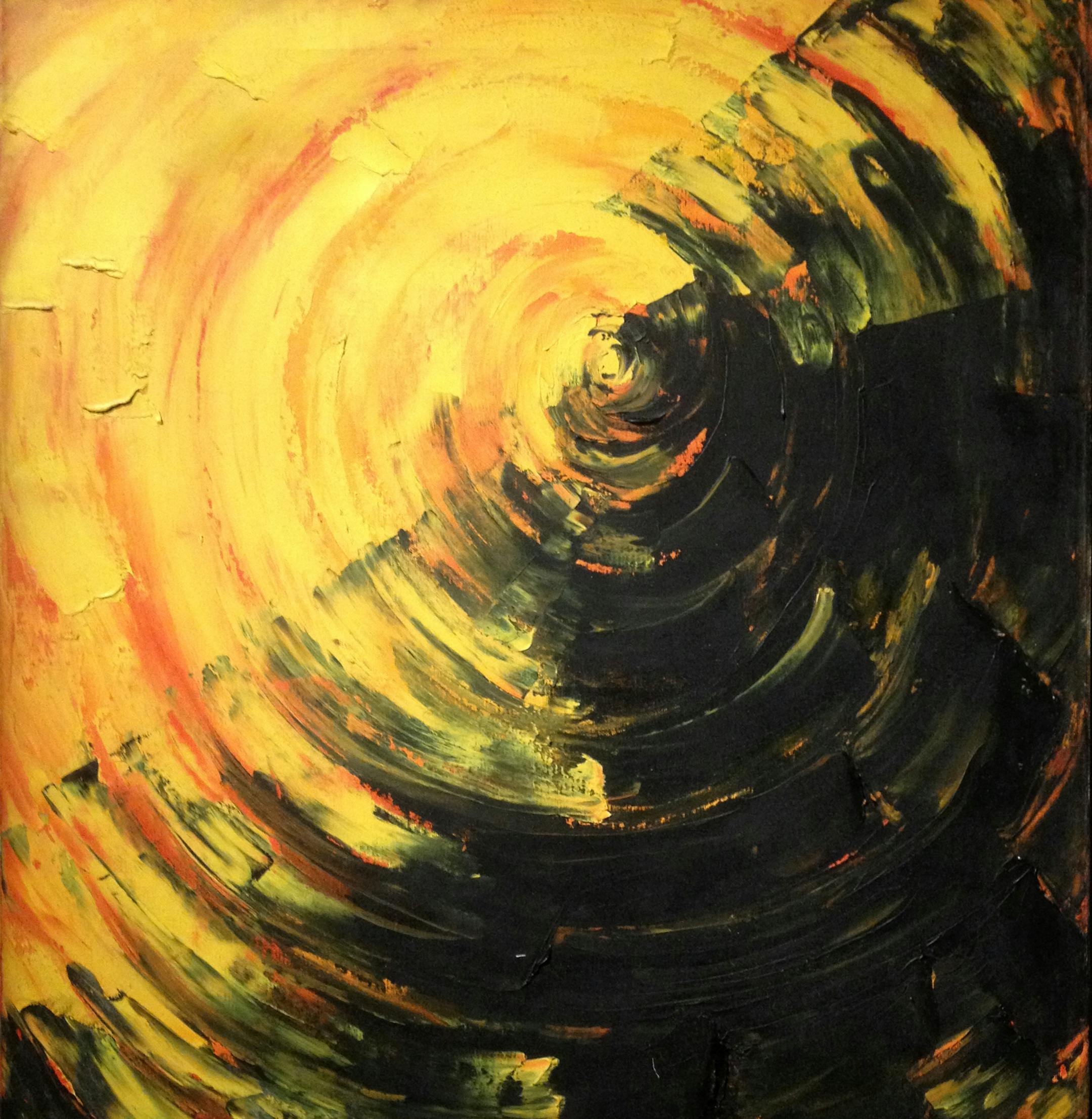
4 "Untitled" at Minnesota Discovery Center. Originally from Virginia, Minn., Rosalee Goddard Vogel became a reasonably successful abstract-expressionist in the 1950s and '60s. Her art (mostly photography) was collected by some of the nation's top museums, including the Metropolitan Museum of Art and MOMA in New York City. When she died in 1987, her sister donated the rest of her oeuvre to this Iron Range museum. This attractive painting epitomizes a recurring theme in Vogel's work: experimentation with shadow and light. On view through October. 1005 Discovery Dr., Chisholm; 1-218-254-7959; www.mndiscoverycenter.com
5 "Gunflint Pines" at Johnson Heritage Post Art Gallery. How's this for a résumé? Anna C. Johnson was a Swedish immigrant, a teacher, an artist, a frontierswoman and a shopkeeper who settled in Grand Marais in the early 20th century. Completed in 1928, "Gunflint Pines" is the most beloved painting at her namesake gallery. It depicts a single gravel lane — what is now the Gunflint Trail — but "that grove of pine trees is still there," said executive director Don Davison. 115 Wisconsin St., Grand Marais; 1-218-387-2314; johnsonheritagepost.org
6 "Beaded mask" at the Tweed Museum of Art. A gas mask covered with deer hide and intricate floral beading, Naomi Bebo's eye-catching piece exemplifies the Duluth museum's commitment to collect contemporary works by American Indian and Canadian Indian artists. "It stops everybody in their tracks," said museum director Ken Bloom. University of Minnesota Duluth, 1201 Ordean Court, Duluth; 1-218-726-8222; www.d.umn.edu/tma
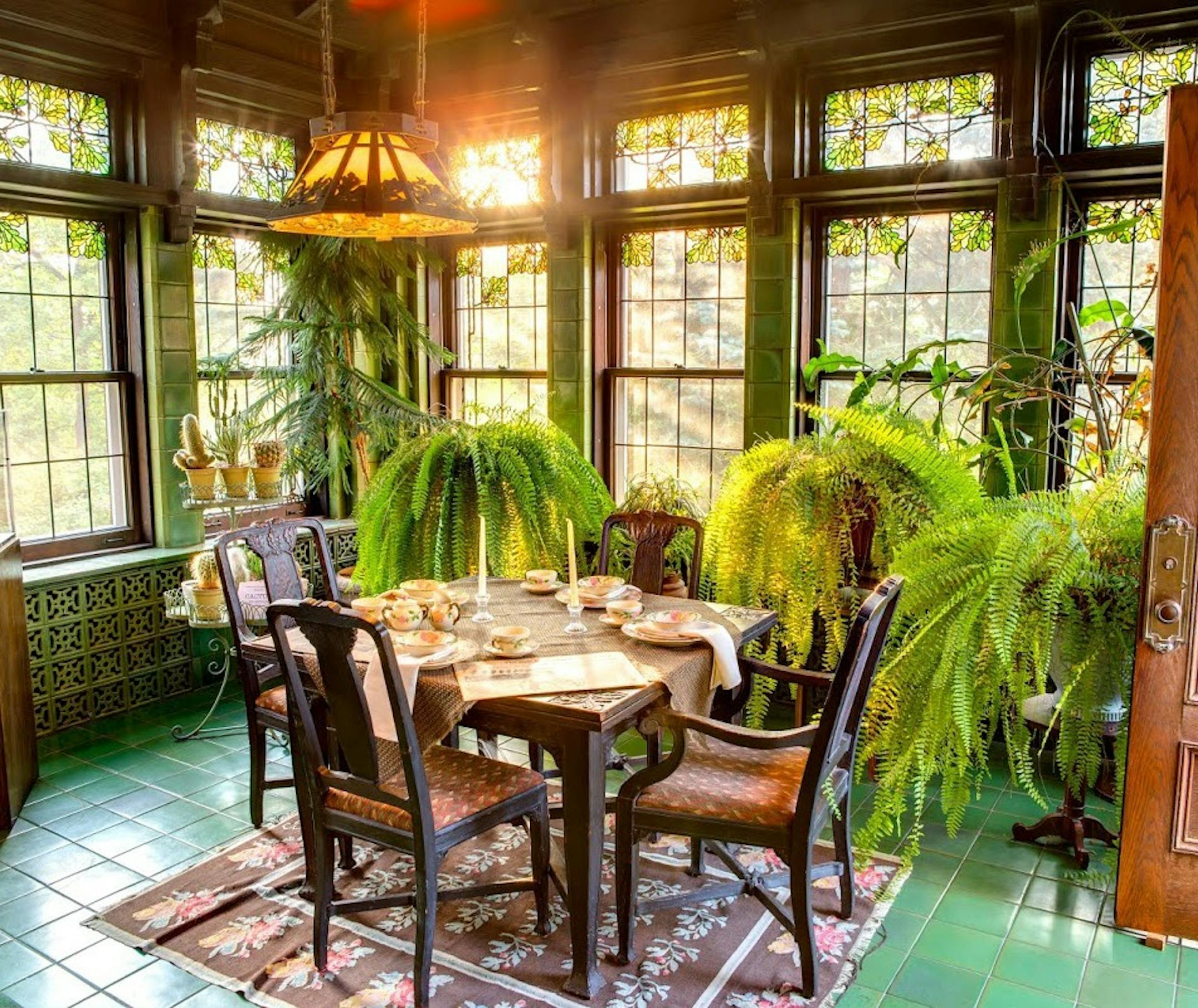
7 "The breakfast room" at Glensheen Mansion. The 1908 Duluth manse is filled with gorgeous rooms, but this cozy three-season dining room is particularly winning. Designed by John Bradstreet, the interior designer and tastemaker who helped found the Minneapolis Institute of Arts, the room is filled with Arts and Crafts-era flourishes: pottery tiles from Cincinnati-based Rookwood, stained glass windows by the Minneapolis Handicraft Guild, a handsome cypress table of Bradstreet's own design — plus glorious views of Lake Superior. 3300 London Road, Duluth; 1-218-726-8910; glensheen.wp.d.umn.edu
8 "The Pheasant Pair" at Jaques Art Center. In the early 1900s, when Francis Lee Jaques was 16, he moved with his parents from Illinois to a farm near Aitkin. Eight years later he departed for New York City to begin his fabled career as wildlife artist. Today he's best remembered for his enormous natural history dioramas, still gracing the American Museum of Natural History in NYC and the Bell Museum in Minneapolis. Founded in 2004, this hometown art center specializes in his smaller works. This lovingly detailed oil painting was a 1946 commission for Field and Stream magazine. 121 NW. 2nd St., Aitkin; 1-218-927-2363; www.jaquesart.com