

A cooking show, featuring DJs and dancers, that teaches you how to make homemade chicken pot pie. A fashion show with more f-bombs than fashion. Videos of local bands playing clubs, dressing rooms, parties and rooftops.
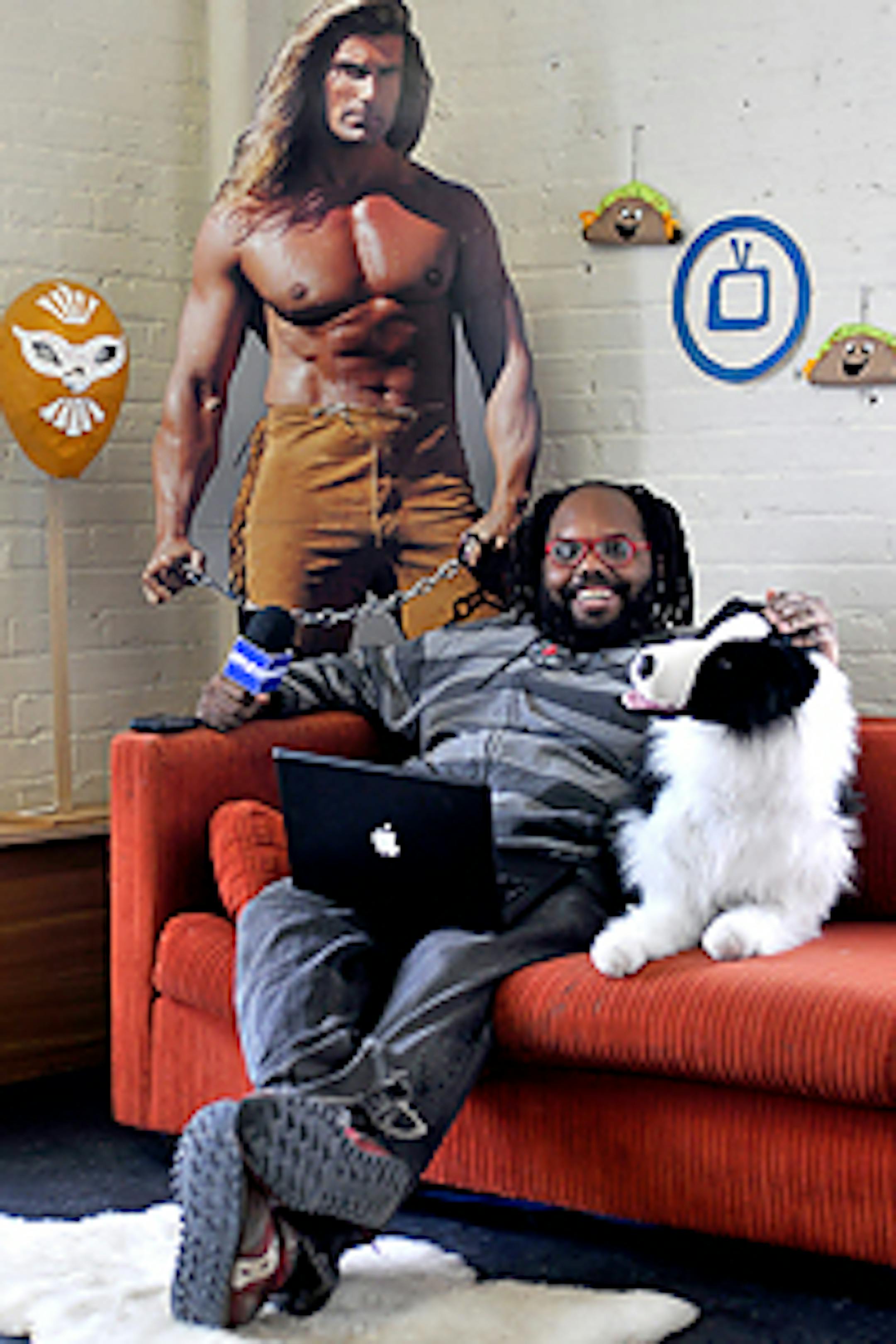
That's just a small sampling of the sweeping video survey of Minneapolis arts and culture offered by MPLS.TV, an online creative collective start-up overseen and curated by executive creative director Chris Cloud.
The subject matter — local art, music, food and comedy — align pretty closely with Cloud's interests as a cultural observer, and capturing and sharing them on video is a natural extension.
"We're on the verge of a creative revolution," said Cloud, 27, who studied psychology at the University of Minnesota and worked in an advertising agency before launching MPLS.TV in June 2009 with Kevin Albertson, a high school friend and the collective's executive creative producer. "People are looking for outlets. Instead of watching TV, you could be making TV, which I think is way better."
MPLS.TV embraces a DIT or Do-It-Together approach, with Cloud, four other core collective members and a network of 120 people blending their creative and production talents. They have produced more than 220 videos with more than 1.8 million views, Cloud said. View their work online at MPLS.TV and at 11 p.m. on Sundays on MTN channel 17.
The collective operates on a tight budget, accepting donations and producing some supported content. Cloud hopes to generate more revenue to make MPLS.TV a career option.
Three and out with Chris Cloud
- Is there any underlying theme to the videos on MPLS.TV?
We've always been about the culture of Minneapolis, our take on it. We focus on culture and what makes Minneapolis so amazing. There's traditional press and media but a lot of times there's stuff that goes overlooked.
- If someone handed MPLS.TV a blank check, what would you do with it?
Invest in resources: cameras, computers, lights, sound, green screens. We want to enable people to make stuff. The people are there, the passion is there, but the resources aren't 100 percent there yet.

