

Less than a month ago, Wolves fans were full of cautious optimism and I was writing such things as "Are the Wolves a legitimate playoff contender, or is their start a mirage."
That post was written on Nov. 22 — a day before a home loss to Phoenix, a setback that was followed quickly by two convincing road wins at Atlanta and San Antonio that pushed Minnesota's record to 10-8 and had them firmly in the bottom half of the West's top eight.
With a home game coming up against lowly Memphis, everything was on solid ground.
Until, of course, it started sinking into the abyss.
The Wolves haven't won since those back-to-back road victories, an eight-game 0-for-December skid with particularly unsightly bookends: a 115-107 loss in the aforementioned home game vs. Memphis, a team that had lost six in a row at the time; and a gruesome 107-99 home loss to the Pelicans on Wednesday. New Orleans came in on a 13-game losing streak and had played the night before in Brooklyn, while the Wolves had four days off before the game.
If the skid was frustrating and alarming up until Wednesday, it was at least somewhat rationally explained: four of the losses came on a Western Conference road trip, including a heartbreaker at Oklahoma City, and the two after the Wolves came home were against the superior Jazz and Clippers.
But to lose to the Pelicans — even with Karl-Anthony Towns sitting out with a sprained left knee — in a flat, lifeless performance on their home court signals this is a Wolves team either on the verge of or in the midst of a crisis.
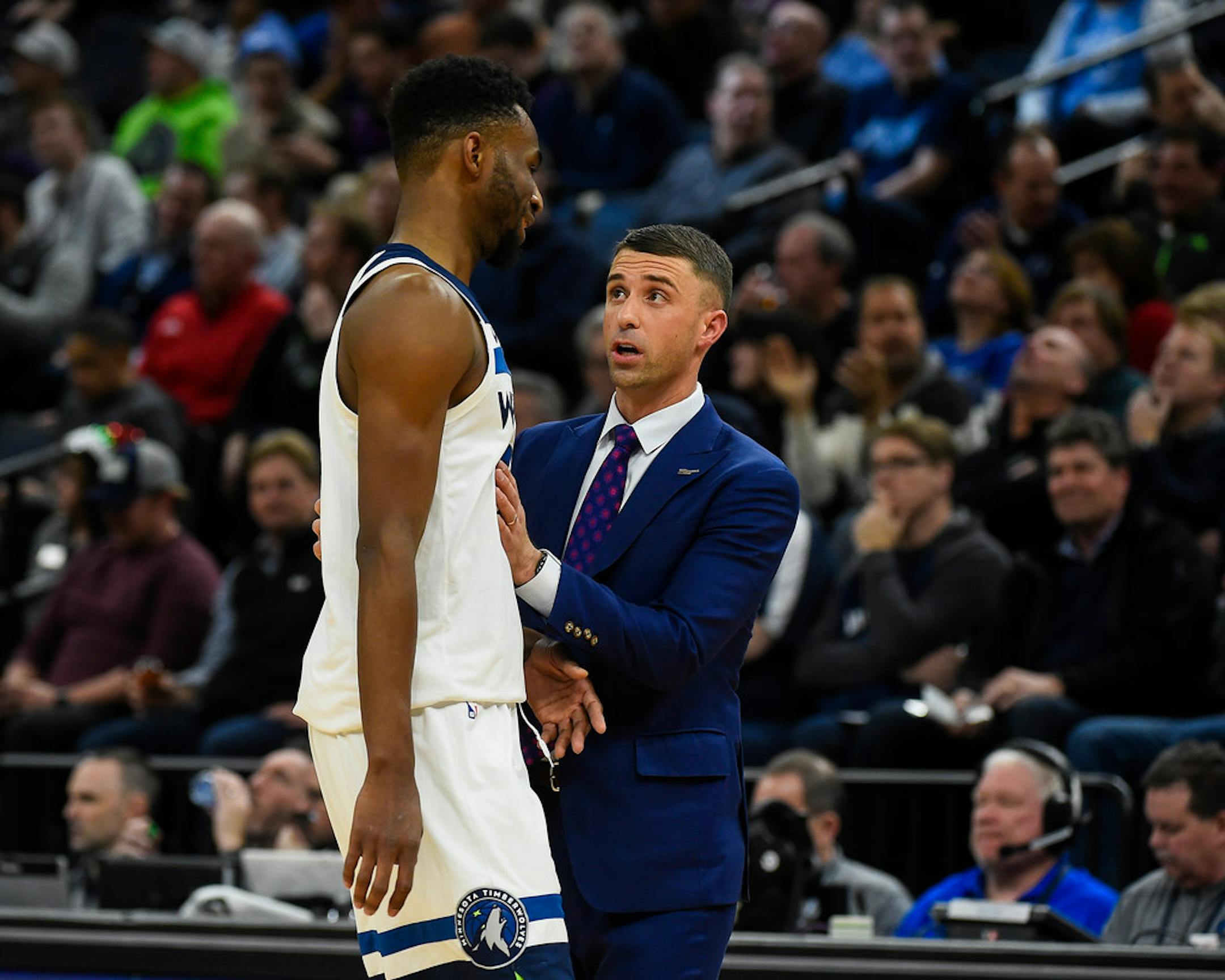
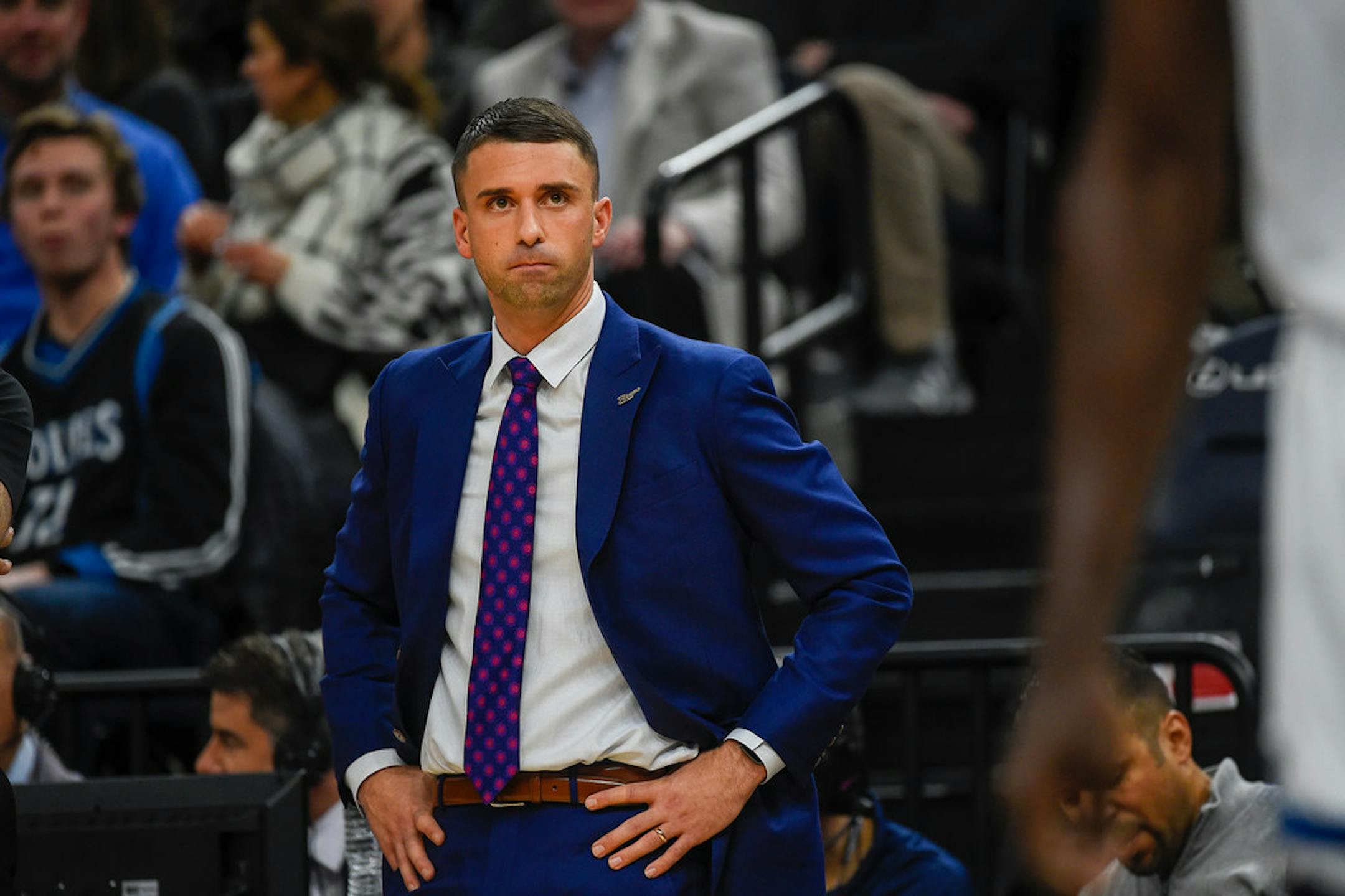
Robert Covington, the third-best player on the Wolves and a veteran leader, was late for a team-related event and didn't start as a result. Whatever positive energy emanated from what coach Ryan Saunders deemed good practices leading up to the game did not carry over in a performance so bad it was suggested to Saunders that his team had given up.


