
'Without employment you don't stay sober.' Kentucky program urges businesses to aid addicts

July 4, 2019 at 3:29AM
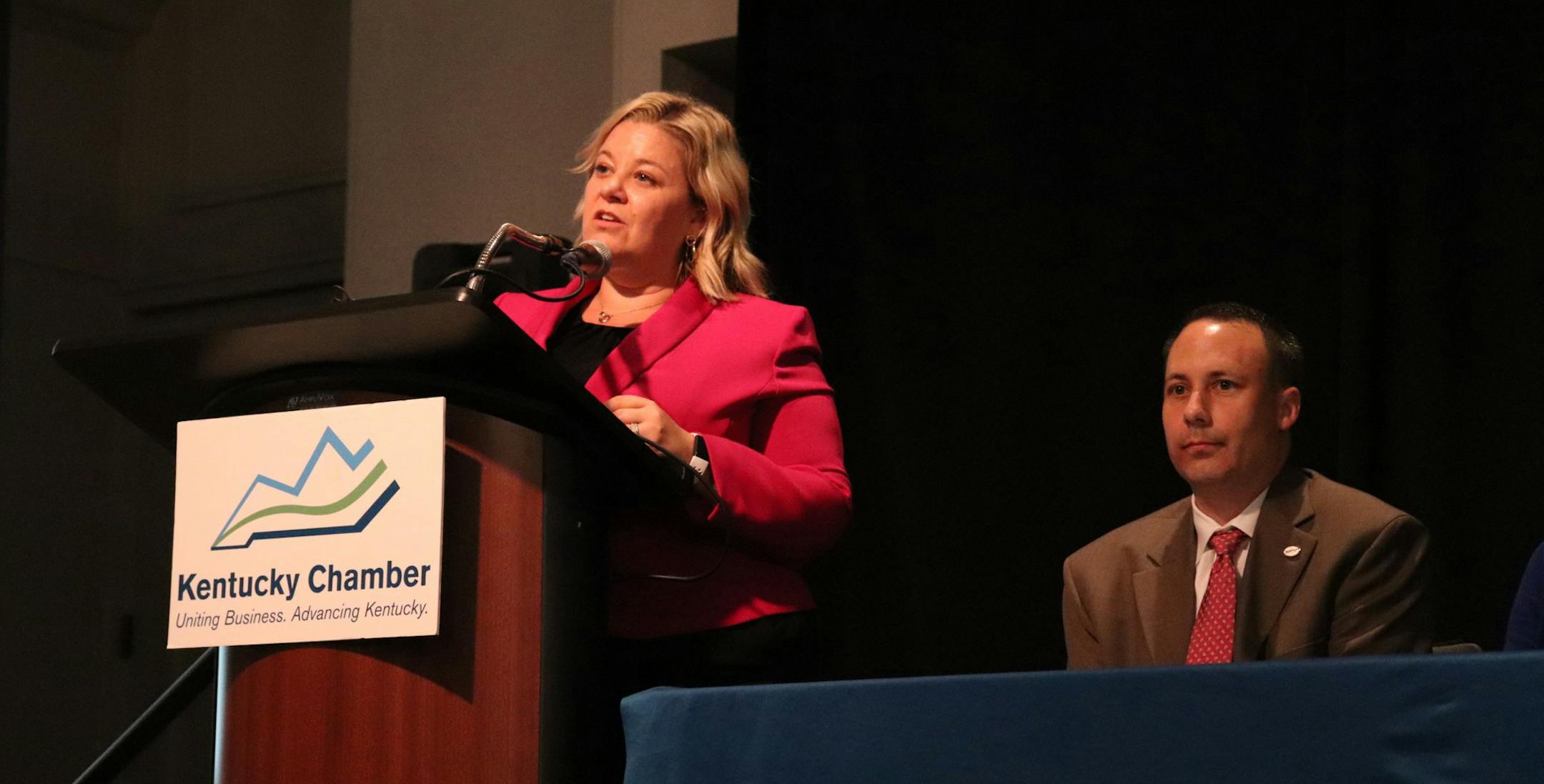
Beth Davisson, executive director of the Kentucky Chamber Workforce Center, and Jonathan Copley, chief executive officer at Aetna Better Health of Kentucky, announced the launch of the Opioid Response Program for Businesses at a Kentucky opioid summit. The program encourages businesses to hire people struggling with substance abuse and helps them reassess their policies to better support recovery. (Rebekah Alvey/Lexington Herald Leader/TNS)
Beth Davisson, executive director of the Kentucky Chamber Workforce Center, and Jonathan Copley, chief executive at Aetna Better Health of Kentucky, announced the launch of the Opioid Response Program for Businesses at a Kentucky opioid summit. (The Minnesota Star Tribune)

In an effort to combat the statewide opioid epidemic, organizations across the state are encouraging businesses to rethink addiction and hire or support employees who battle substance abuse.

Beth Davisson, executive director of the Kentucky Chamber Workforce Center, recently announced the launch of the Opioid Response Program for Businesses at a Kentucky opioid summit. She said this program is the first she knows of in the United States.

Through a $350,000 grant provided by the Office of Drug Control Policy, and a matching grant made up of public and private donors, Davisson said the program will work with businesses to provide audits of human resources policies and procedures to identify how businesses can prevent addiction and better assist employees through recovery.

After trends have been identified, Davisson said the program will connect businesses with programs that can aid in recovery practices.

Additionally, the grant will fund a 15-month study on how the epidemic is impacting the workforce.

Jonathan Copley, chief executive of Aetna Better Health of Kentucky and the head of the workforce initiative, said he's invested in the issue because he's from rural Kentucky and has seen the effects of addiction as overdoses and hospital visits increased.

Through the initiative, Copley said the government, health care groups and businesses collaborate to find solutions. He said a job is a large part of the recovery process. "If you can get people jobs, you're going to get them on a pathway to better health," Copley said.

There's a stigma around addiction, and employers may think addicts are not hirable, he said. Businesses that support the program and demonstrate willingness to work with past or current addicts send a message to communities, Copley said.

As people become unemployed long-term they may be susceptible to substance abuse, and keeping people employed can curb the epidemic while also creating a full workforce, said Adam Meier, secretary for the state's Cabinet for Health and Family Services.

"We need to be able to demonstrate to [companies] that there's a business case to be made to be a part of this solution," Meier said. He added that people in recovery have a higher attendance rate than those in the general population, and people who have a supportive employer also have more loyalty.

Mark LaPalme, CEO and founder of the Isaiah House, an addiction center in Willisburg, said placing recovering addicts in a strong community, such as a college or job, means a 90 to 95% sober success rate beyond a year.

On the business side, LaPalme said former addicts are grateful to have a job, which is an important trait in an employee. He said if businesses are not willing to provide those jobs, he hopes to start businesses that will.

"Without employment you don't stay sober," LaPalme, who has been sober for about 20 years, said.

To incorporate recovery opportunities in the workplace, businesses can set aside time or space for people in recovery to share their experiences and hold each other accountable, LePalme said. In the past, places of employment have been a toxic environment for people in recovery, but the times are changing.

"Now we're not looking to fire people, now we're not looking to discipline people necessarily for disease and addiction," LaPalme said. "We're actually partnering to try and help them and help them get better."

about the writer

about the writer

Rebekah Alvey, Lexington Herald-Leader

More from Business

See More
card image
card image