LYON, France — The chant was faint at first, bubbling up from the northern stands inside the Stade de Lyon. Gradually it grew louder. Soon it was deafening. "Equal pay!" it went, over and over, until thousands were joining in, filling the stadium with noise. "Equal pay! Equal pay!"
Few sports teams are asked to carry so much meaning on their shoulders, to represent so many things to so many people, as the United States women's soccer team. Few athletes are expected to lead on so many fronts at once, to be leaders for equal pay and gay rights and social justice, to serve as the face of both corporations and their customers.
Fewer still have ever been so equipped to handle such a burden, so aware of themselves, so comfortable in their own skin, as those American women. Yes, they had acknowledged as the World Cup got underway last month, anything less than a trophy would be a failure.
Yes, they were willing to be made symbols of different fights for equality around the world. Yes, they would be as spectacular on the field as they unabashedly insisted they were.
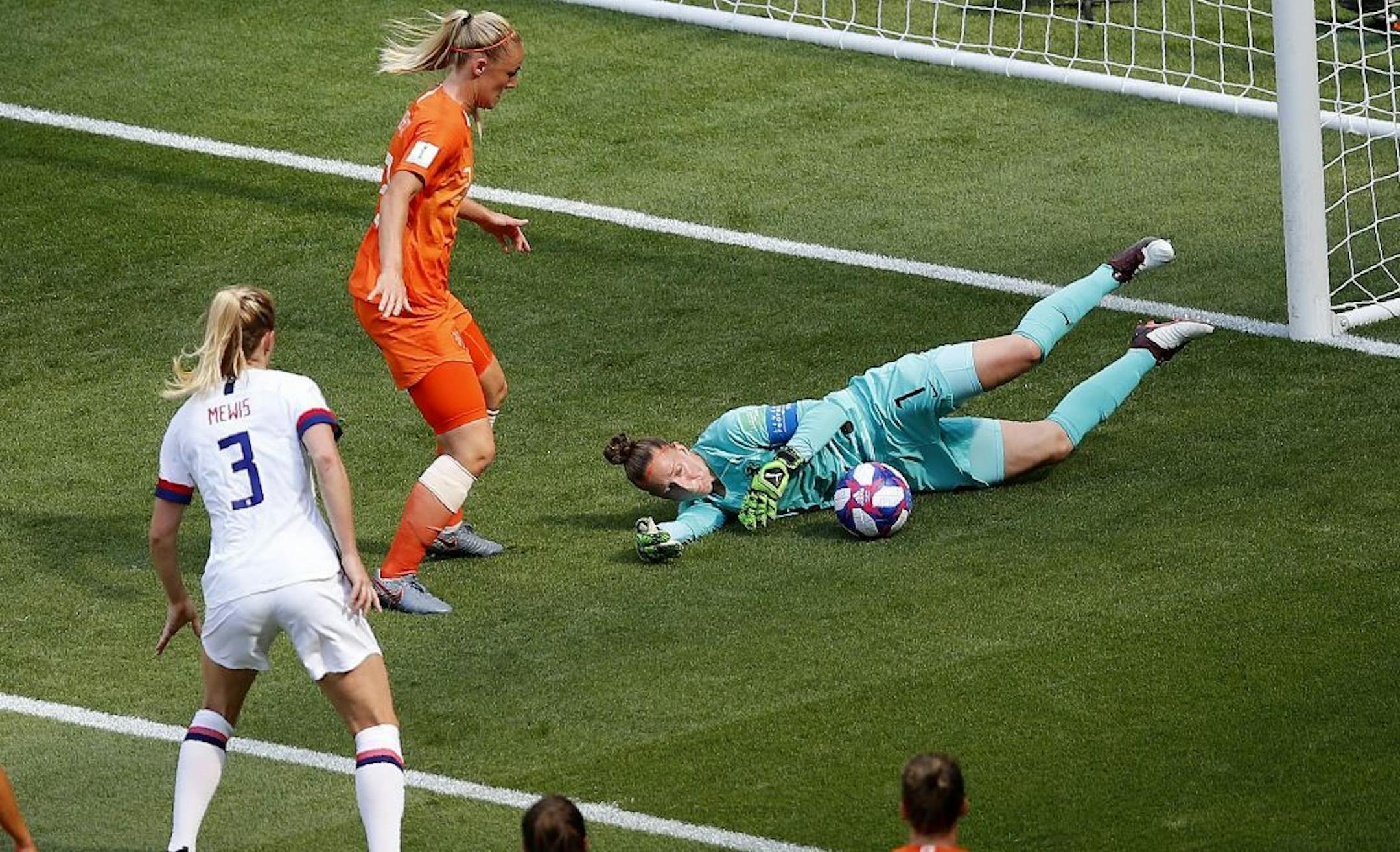
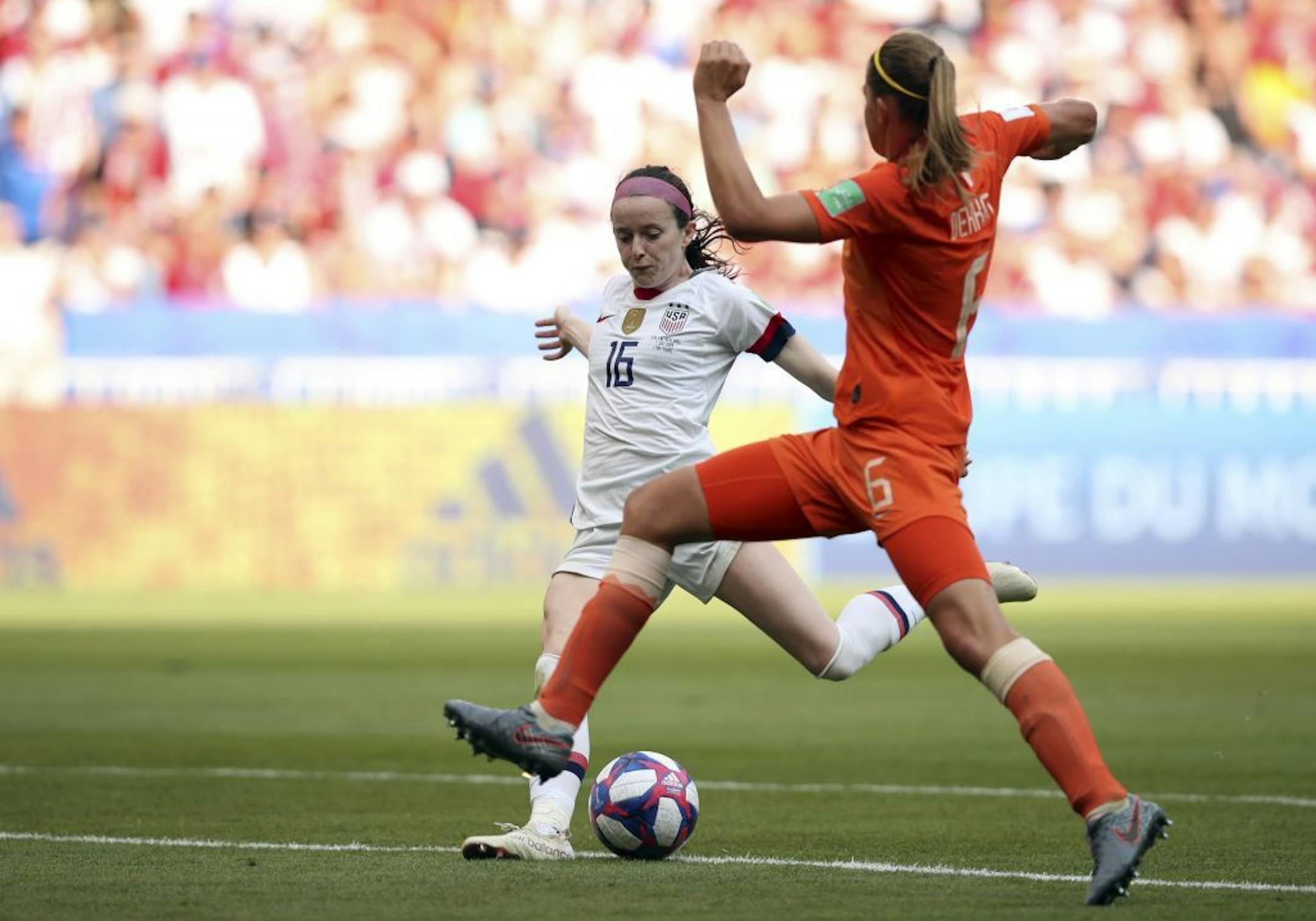
With the swagger of pop stars and the inevitability of a freight train, the American women completed the sporting part of their journey on Sunday, clinching their second consecutive World Cup trophy by dispatching the Netherlands, 2-0, in the tournament's final match.
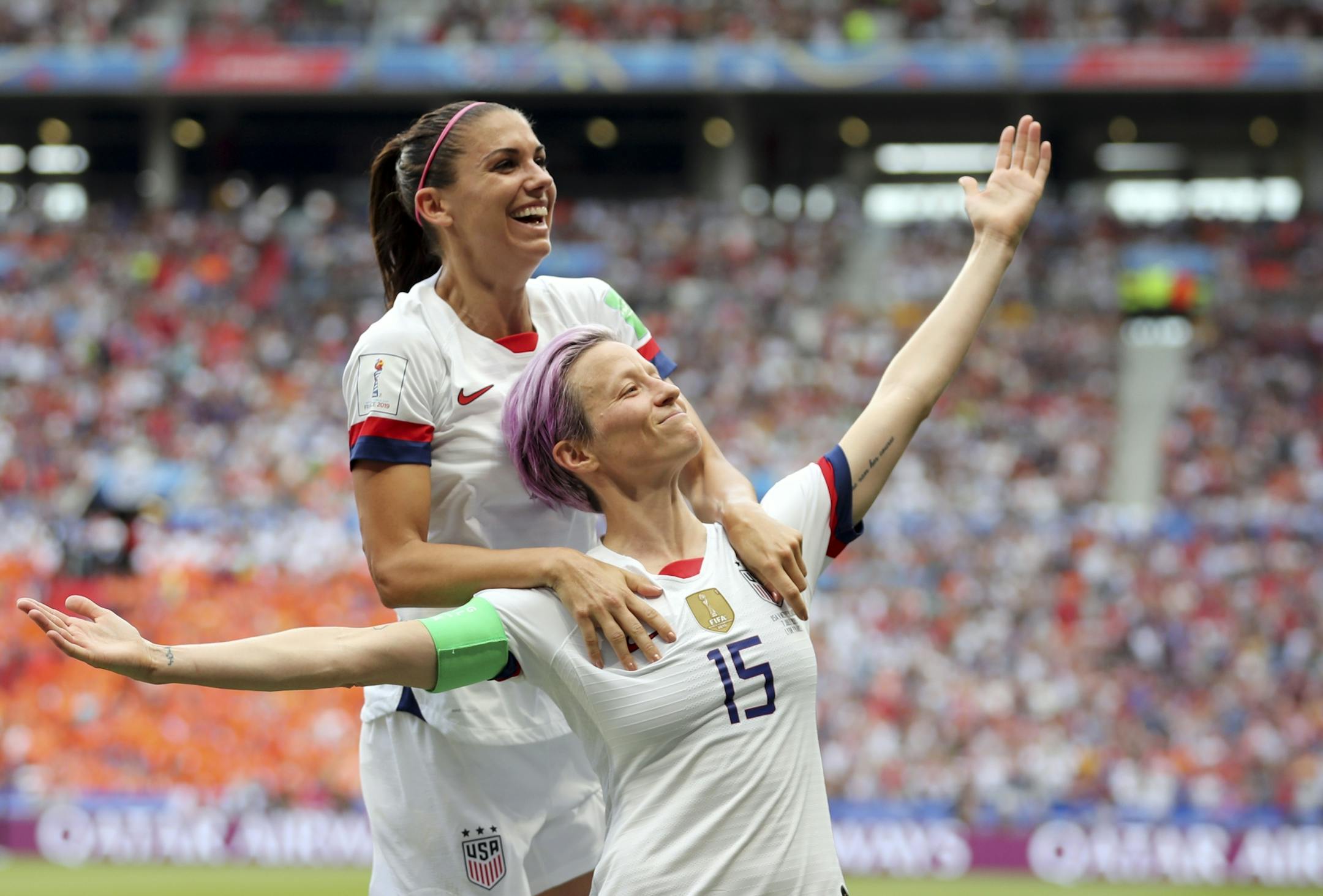
The victory, which gave the United States a record four titles over all, was secured with goals from Rose Lavelle and Megan Rapinoe, the latter of whom was honored as the best player of a tournament in which her opponents, at times, ranged from rival teams to internet scolds.
"Getting to play at the highest level at a World Cup with a team like we have is just ridiculous," Rapinoe said, "but to be able to couple that with everything off the field, to back up all of those words with performances, and to back up all of those performances with words, it's just incredible."
On top of her official honors, which in addition to most valuable player status included the Golden Boot as the tournament's top scorer, Rapinoe over the course of a month made herself the unofficial face of the World Cup: a soccer star immune to the false modesty that afflicts so many athletes when faced with microphones; a proudly gay athlete eager to use her platform to champion the rights of marginalized communities; the target of the ire of President Trump who, halfway through the tournament, publicly criticized Rapinoe on Twitter for dismissing even the possibility that her team would visit the White House once the competition was over.