

Comedian Jimmy Kimmel went to the heart of the debate on preexisting conditions during a monologue last week. He talked about the birth of his son Billy, who was born with a heart condition that required surgery within days of his birth. Billy Kimmel is doing fine now, but the situation was traumatic for Kimmel and his wife, Molly. At least, Kimmel noted, they didn't have to worry about whether their child would be treated.
"Before 2014, if you were born with congenital heart disease like my son was, there was a good chance you would never be able to get health insurance because you had a preexisting condition," Kimmel said.
Kimmel was referring to Obamacare's most important benefit — the requirement that health care plans offer coverage to people with preexisting medical conditions at the same rates healthy people pay. No longer would working people with chronic illnesses — or their families — be priced out of the quality health care.
President Trump agreed with Kimmel when he was a candidate. Then Trump said he would repeal and replace the Affordable Care Act, but retain the mandate for covering preexisting conditions. The first version of his American Health Care Act reflected that promise — and it never made it to a vote.
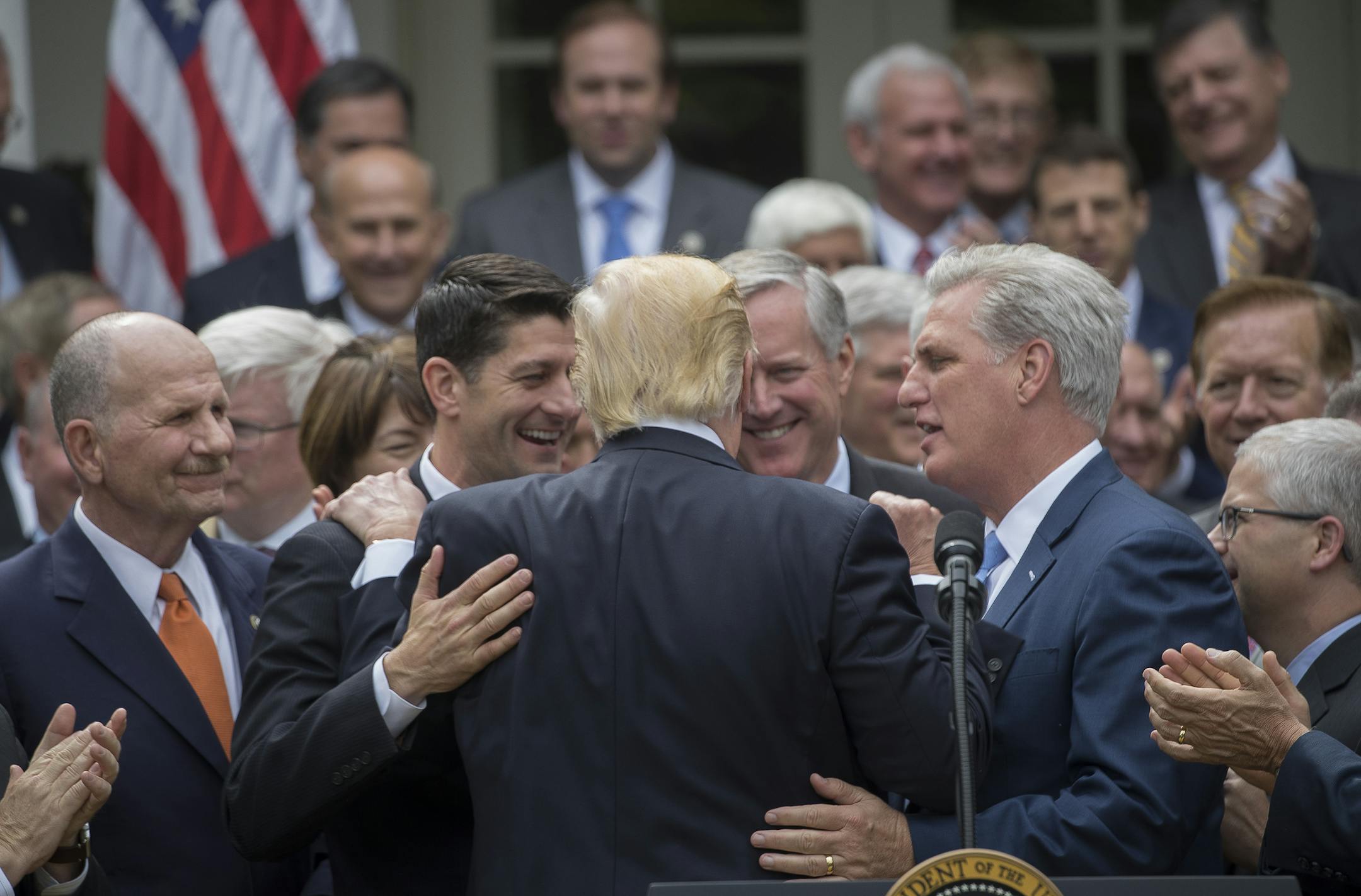
The version passed by House Republicans on Thursday is different. Under the new version, states will be able to apply for waivers from the Obamacare preexisting conditions mandates. To qualify, states would have to set up pools for high-risk individuals.
Or as Trump told CBS News' John Dickerson Sunday, "We've set up a pool for the preexisting conditions so that the premiums can be allowed to fall."
There's one little problem with this so-called remedy. It's a gimmick that throws the hot potato where there are few if any hands are eager to claim it. How many governors want to incur the wrath of their voters by announcing that they want to get rid of a benefit that Kimmel and Trump himself in 2016 framed as American as apple pie?
Asked how many states were likely to apply for preexisting conditions waivers, House Majority Whip Kevin McCarthy answered, "It could be a lot. It could be none."


