

The Trump administration is offering states more flexibility in how they run their Medicaid programs in exchange for capping federal payments. But will Minnesota take the deal?
Medicaid provides insurance for 1.1 million low-income Minnesotans. Under a funding formula that has been in place for more than 50 years, the federal government pays 50 cents of every dollar spent on most visits to hospitals, clinics and other health care settings. The other 50 cents comes out of state and local coffers.
That open-ended commitment has long been the target of fiscal conservatives who want to rewrite the formula by capping the amount of money going to the states in the form of a block grant. It was part of the unsuccessful effort by congressional Republicans to repeal and replace the Affordable Care Act (ACA) in 2017.
"It is just a terrible idea," said Gov. Tim Walz, who voted against the ACA replacement bill when he was in Congress. "This is nothing more than an attempt to shift costs and throw people off health care."
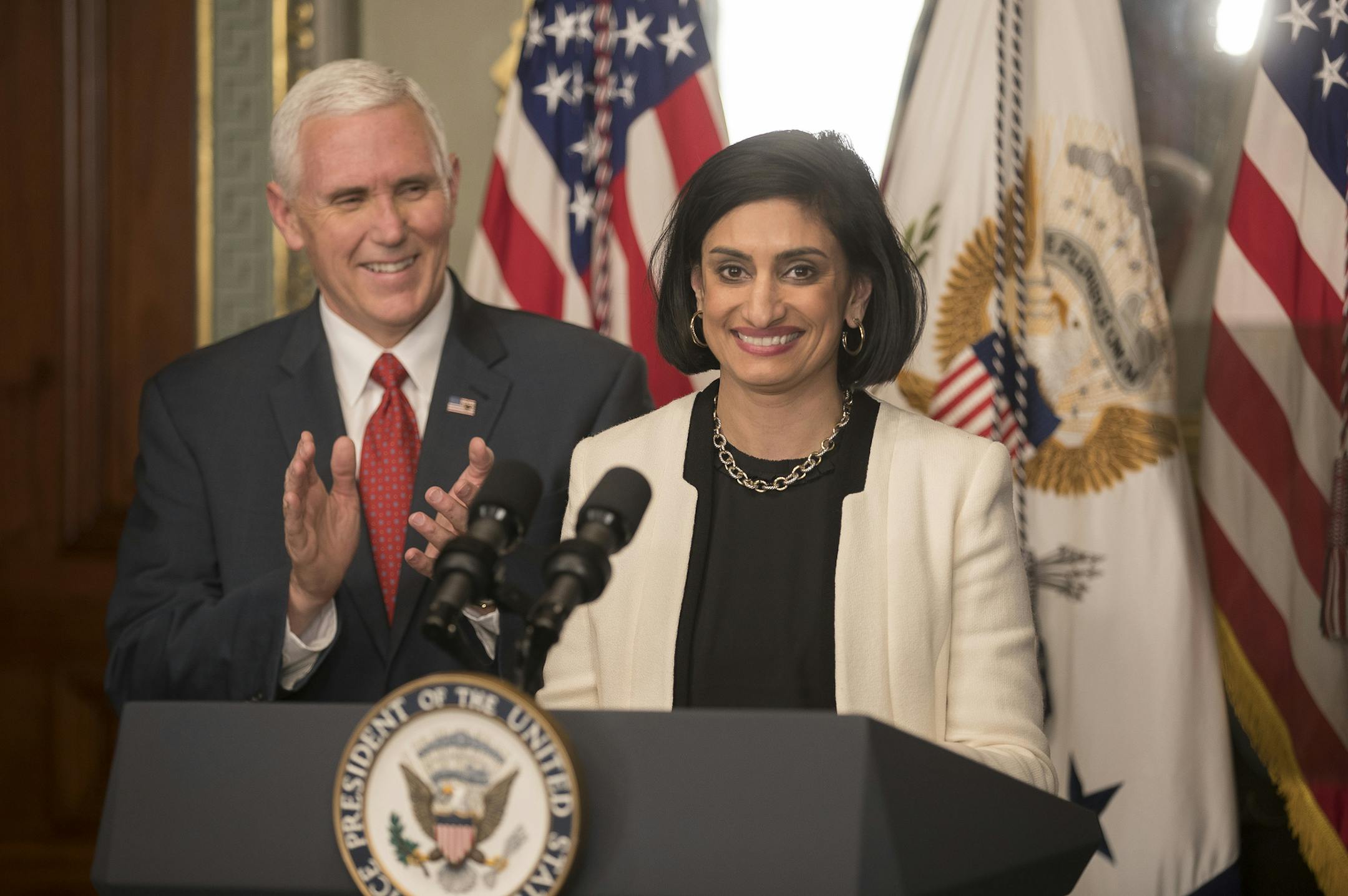
The proposal unveiled Thursday by Seema Verma, the administrator who oversees the Medicaid program, is slimmed down from three years ago. States would have to opt in, and the program would apply only to coverage for single adults under age 65 without children, leaving funding for families, the elderly and people with disabilities intact.
States could suspend some Medicaid rules so they could sustain the program under the block grant. They could limit prescription drug choices, set time limits for enrollment, charge premiums and co-payments and cut payments to providers and managed care organizations.
"States are trying to make routine changes or craft innovative programs," Verma said, "but are thwarted by the rigidity of a federal bureaucracy rooted in a 1960s program design."
The program appears geared toward the 14 states that have not taken advantage of the ACA option to expand Medicaid to single adults. Minnesota was one of the first to do so.


