"Will science, during 1947, uncover new instruments to push civilization closer to the precipice of destruction?"
"How will researchers in the field of physics — who developed the atomic bomb — fare in the New Year?"
The Minneapolis Star posed these questions on New Year's Day, 1947, as the world was still emerging from the long shadow of World War II.
Exactly 70 years later, what questions preoccupy us about the role and future of science?
First, let's look back to 1947, a year that saw the launch of one of the most important investments ever made in science for the Twin Cities and the state of Minnesota.
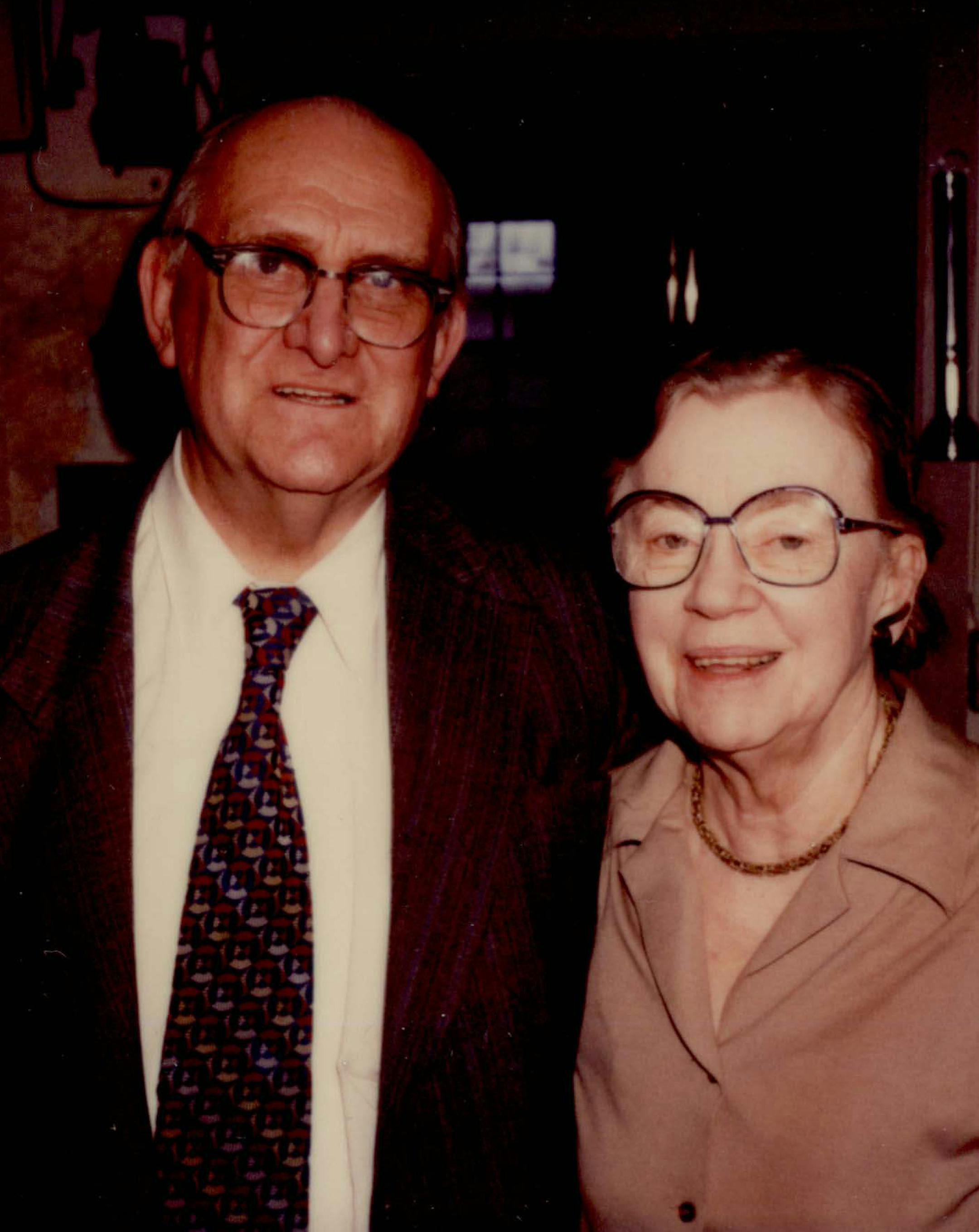
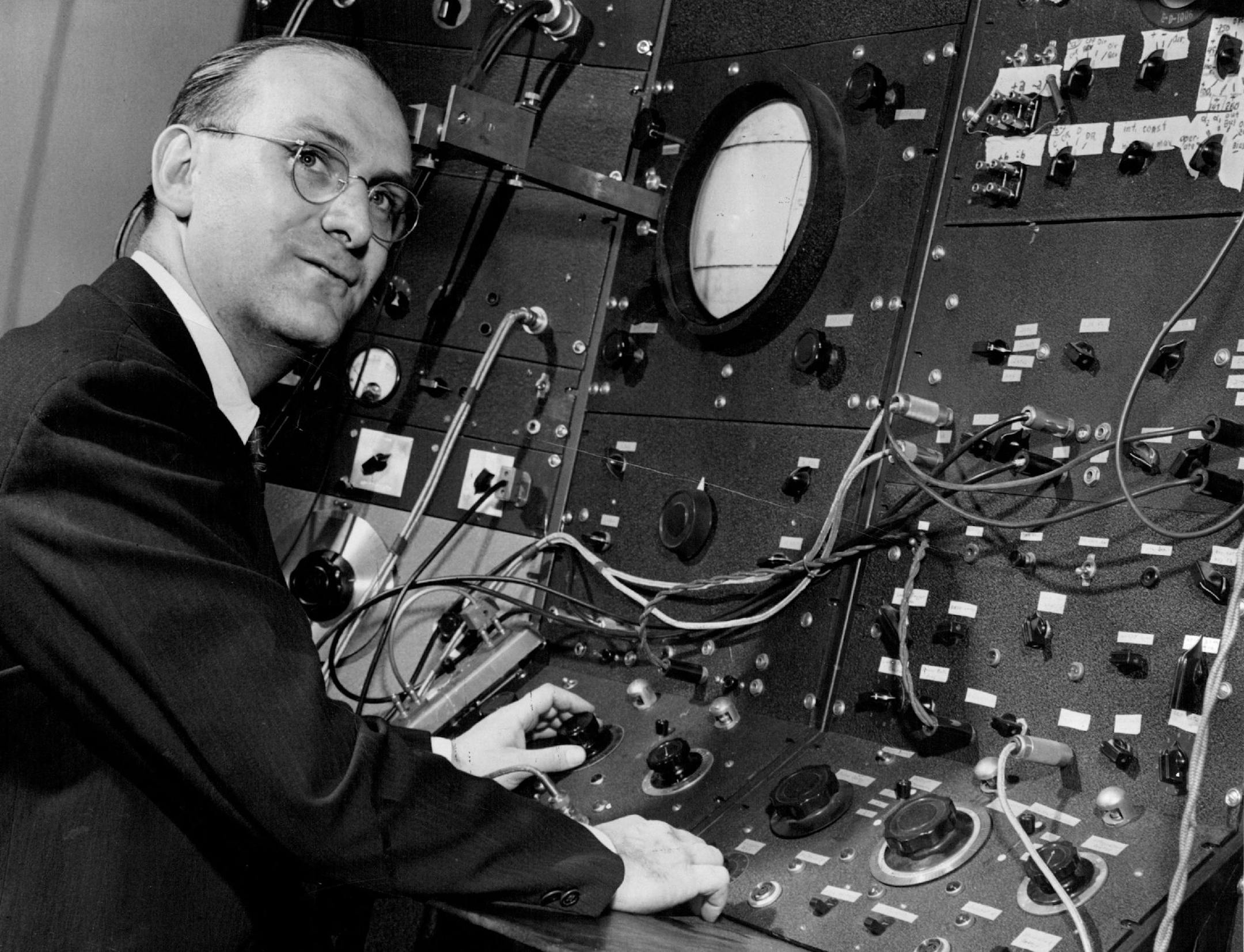
In direct response to the kinds of fearful, negative attitudes reflected in the newspaper's questions, the University of Minnesota that year established a new department, combining biology and physics. Prof. Otto Schmitt and his wife, Viola, were welcomed back from a five-year assignment at a secret military research laboratory to establish and direct this new field of inquiry.
After years of developing instruments of destruction, Otto and Viola were setting a direction for "the affirmative pursuits to help mankind," the Star reported. The article included the prediction of J.W. Buchta, head of the university's physics department, that the most hopeful future for his science would arise from "the relationship between medicine and physics."
Otto Schmitt would help lead the University of Minnesota to become an internationally recognized institute in research on the human body's electrical characteristics, inventing numerous devices to measure its electromagnetic properties. Hundreds of students had the opportunity to build these instruments, and even more had the opportunity to become test subjects. The instruments varied in size from suction probes similar to those used in cardiac tests today to devices the size of small rooms. They measured everything from skin resistivity to the effects of external magnetic fields on the human mind.