

Minnesota provides a native home to the fisher — an oversized member of the weasel family that's agile enough to outclimb a red squirrel and one of the few animals capable of killing a porcupine.
Coveted by trappers for their luxurious, dark brown fur, these predators have made northeastern Minnesota one of their strongholds. They prosper when they can den in the cavities of mature trees and roam for miles — day and night — in the roomy understories of continuous, old-growth forest.
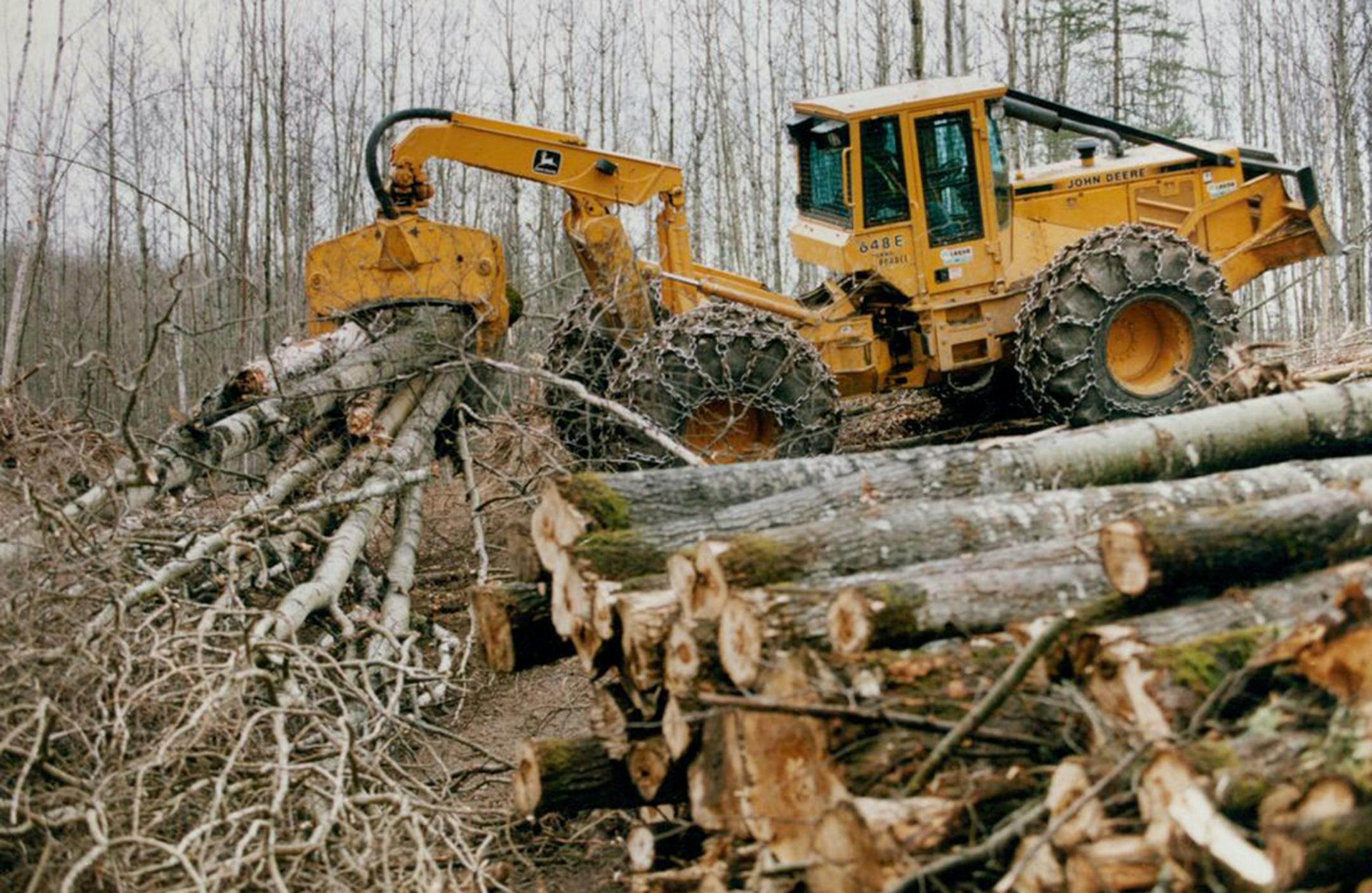
But under a new statewide timber-cutting plan about to be implemented by the Department of Natural Resources, the same type of stately forests favored by fishers and other wild creatures will become choice "stands" for sale to Minnesota's wood products industry.
Opponents of the so-called Sustainable Timber Harvest have envisioned negative fallout on wildlife since the initiative was forged under Gov. Mark Dayton. The industry asked the state to increase yearly stumpage from state lands to a level of 1 million cords of wood per year. When the DNR agreed to less of an increase — 870,000 cords per year — the commitment put older stands of aspen, pine, balsam, cedar, maple, basswood, oak and other species on a more sudden track for logging.
Now, as the computer model's first listing of targeted lands is set for release in January, a coalition of conservation groups that includes former DNR foresters and wildlife managers is campaigning to protect state wildlife management areas (WMAs) and aquatic management areas (AMAs) from tree harvests they say are at odds with nurturing wildlife.
Other animals that depend on old forest include pine martens, bears, red-shouldered hawks, wood ducks and bats.
"This whole new system is meant to feed the timber industry,'' said Rich Staffon, a retired DNR wildlife manager now with the Izaak Walton League. "That's not what wildlife lands should be managed for.''
Trees in the crosshair
DNR Fish and Wildlife Director Dave Olfelt acknowledges that old aspen stands, in particular, will appear right away on the computerized list as needing to be harvested. A similar destiny awaits tracts of majestic oaks in southern Minnesota's Whitewater WMA, he said.


