

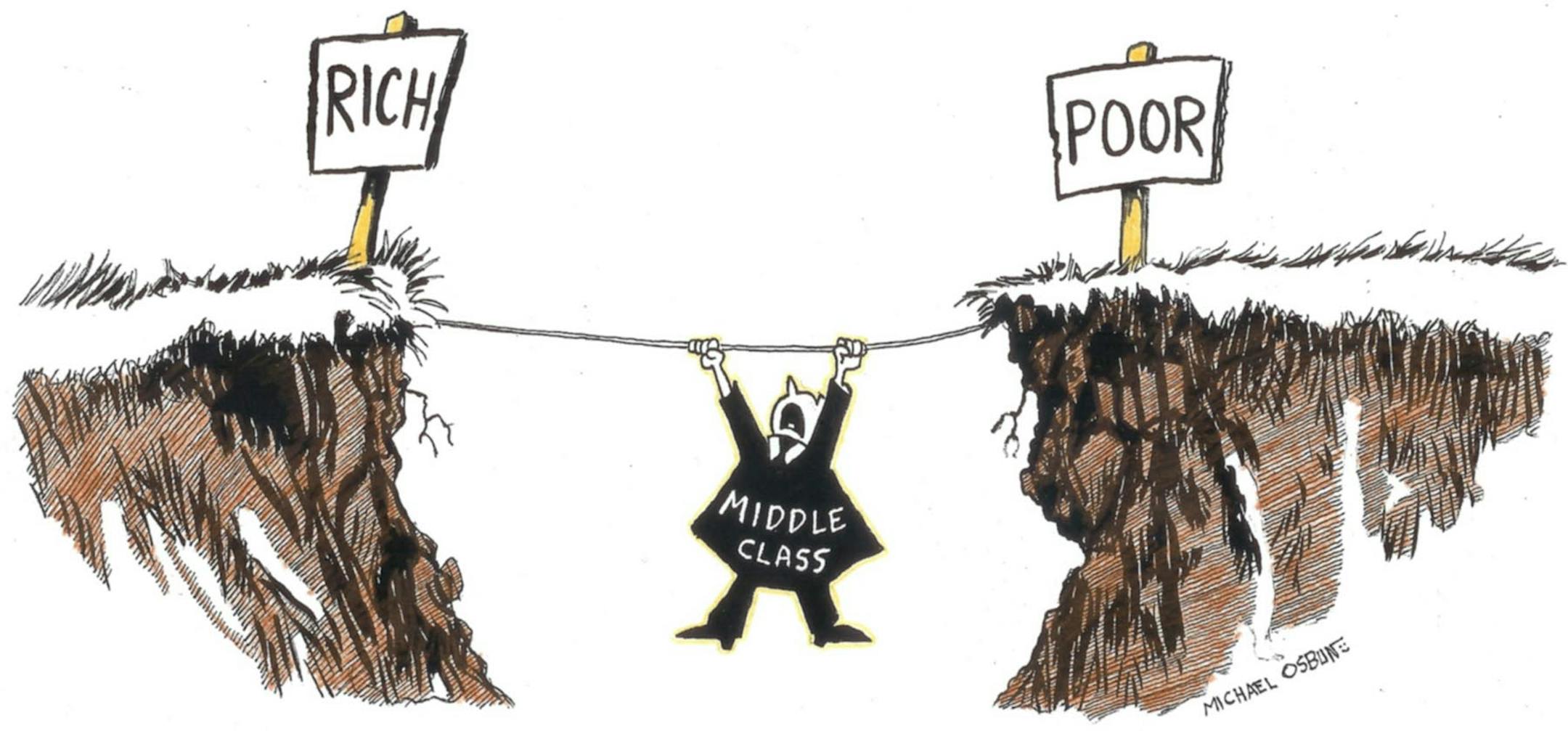
AUSTIN, Texas - A friend is barely able to pay for a child's education. Another nearly loses her business. Yet another nearly loses his home. And for those who lose good jobs, like a woman in New York, "It's overwhelming."
Four years ago, Lehman Brothers was on the verge of collapse and would take with it the global financial system. For the middle class in this country, the ensuing housing crash, recession and prolonged unemployment have translated into lower household incomes and a decline in net worth.
There are now more poor people in the suburbs than in the cities. And in the battle for the White House, both parties are trying to assure a battered American middle class that they really do have its interest at heart.
Which seems unlikely, frankly, seeing as how we got into this mess: the collusion of big banks and big government. If you want to know how this all happened, how it got so bad and has not become better, author Jeff Connaughton explains it in his new book, "The Payoff: Why Wall Street Always Wins."
On top of everything else, the American middle class is being systematically robbed by the corruption of Washington, namely by Wall Street. This corrupt nexus of money and power is why the economy collapsed, why it isn't getting better, and why the middle class is fighting for its life.
In his book, Connaughton not only examines the roots of the financial crisis that triggered all of this in 2008 but he provides an insider's chronicle as to how Washington really works - on behalf of special interests and decidedly against the interest of American citizens.
Having worked as a White House lawyer, a K Street lobbyist and then as the chief of staff to a reformist senator, Connaughton helped push through legislation in 2009 to crack down and spend money to investigate Wall Street.
And then, he and Sen. Ted Kaufman of Delaware watched with dismay as nothing was done to prevent another financial catastrophe. Congress funded just 18 cents on the dollar for investigations and prosecutions. The Obama Justice Department let local U.S. attorneys try to investigate on their own. When the Securities and Exchange Commission investigated, well, it settled with the big banks.


