

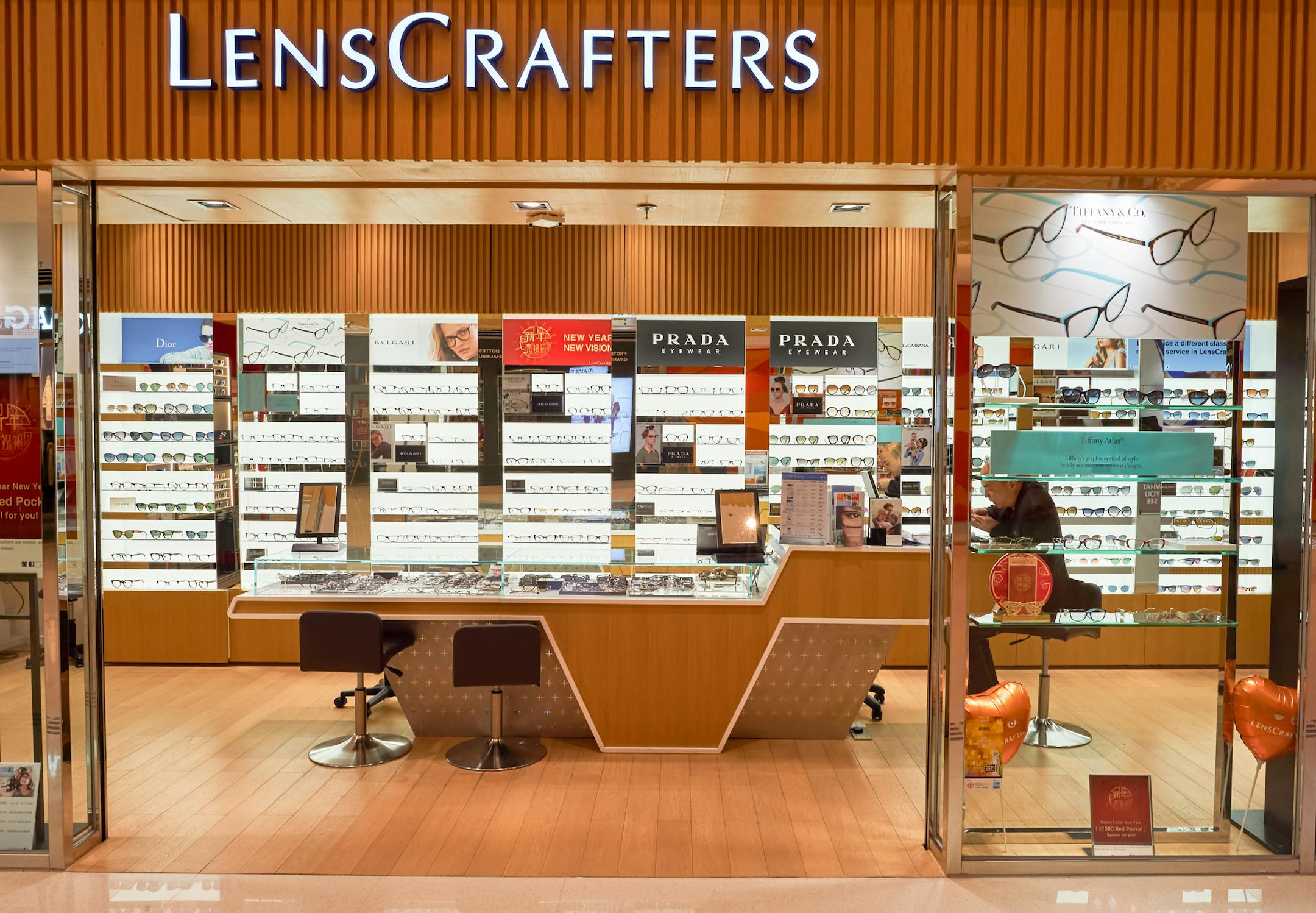
It is a question I get asked frequently, most recently by a colleague who was shocked to find that his new pair of prescription eyeglasses cost about $800. Why are these things so expensive?
The answer: Because no one is doing anything to prevent a near-monopolistic, $100-billion industry from shamelessly abusing its market power.
Prescription eyewear represents perhaps the single biggest mass-market consumer ripoff to be found.
The Vision Council, an optical industry trade group, estimates that about three-quarters of U.S. adults use some sort of vision correction. About two-thirds of that number wear eyeglasses. The average cost of a pair of frames is $231, according to VSP, the leading provider of employer eye-care benefits. A pair of single-vision lenses averages about $112. Progressive, no-line lenses can run twice that amount.
The true cost of a pair of acetate frames — three pieces of plastic and some bits of metal — is as low as $10, according to some estimates. Check out the prices of Chinese designer knockoffs available online.
The bottom line: You are paying a markup on glasses that would make a luxury car dealer blush.
"At the very least," said Carmen Balber, executive director of the advocacy group Consumer Watchdog, "there needs to be some transparency about how much things really cost."
Good luck with that.


