

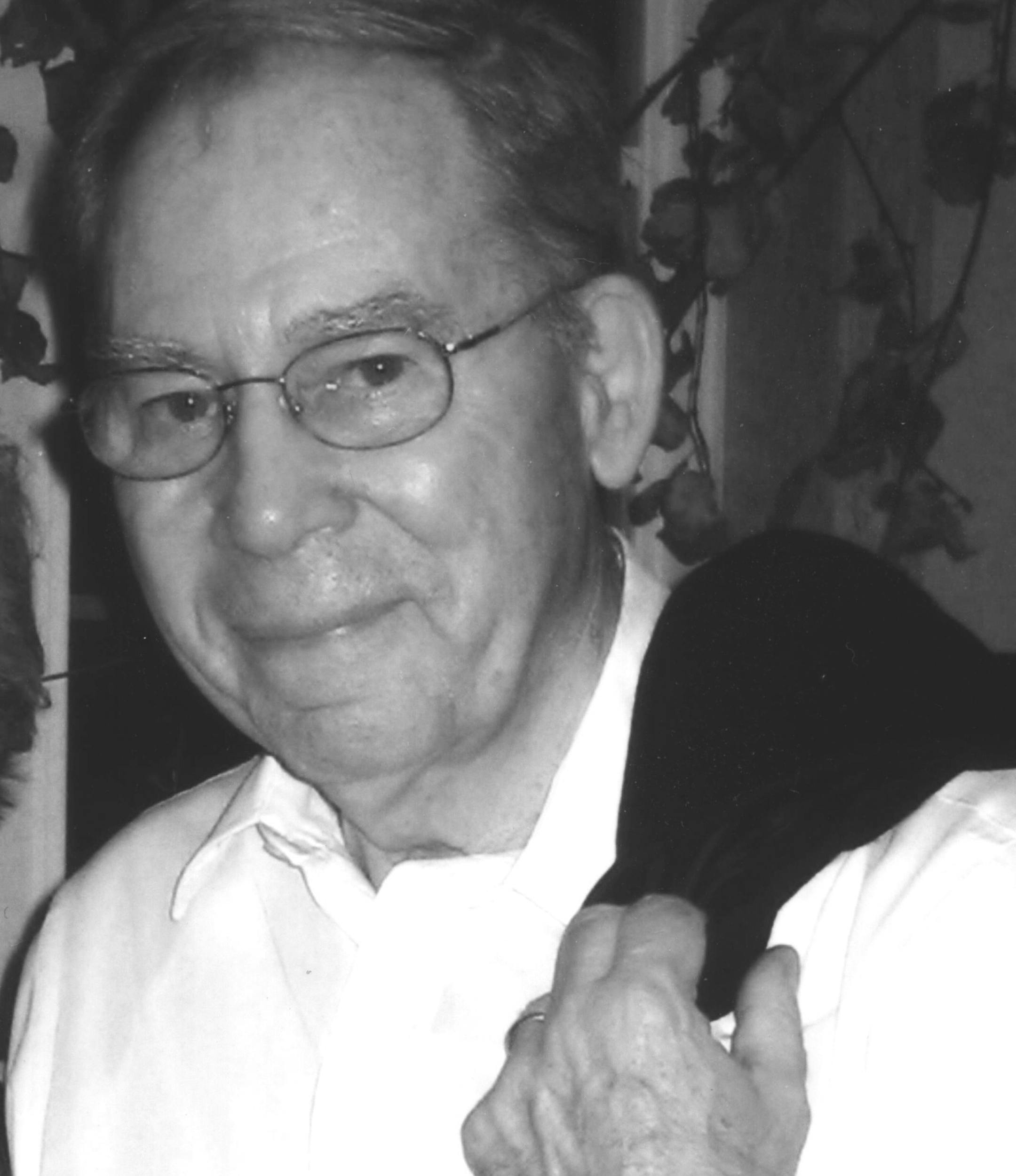
Joseph Killpatrick doesn't fly or build airplanes. But he joined four fliers and an airport operator inducted in the Minnesota Aviation Hall of Fame at a Saturday night banquet in Bloomington.
That's because Killpatrick, 85, developed revolutionary Honeywell ring laser gyroscopes in the 1960s — vital gizmos known as RLGs that are used today for guidance and control in nearly all commercial and military aircraft, not to mention the Space Shuttles, Mars rover and the probe that explored Pluto.
"He might be considered an unlikely candidate," said Armand Peterson, a retired Honeywell engineer who nominated Killpatrick. "The general public and business community in Minnesota know almost nothing about RLGs, but when they arrive safely at their destinations in a commercial jetliner, they can thank Honeywell's RLGs."
Peterson has received state grants to conduct oral history research about the development of laser gyros. And a display on Killpatrick's innovations is in the works for the Minnesota Air National Guard Museum.
"The RLG changed the world of navigation," said Peterson, insisting Killpatrick's device is "the most significant aviation ... product to come out of Minnesota" and arguably "the most significant technical product" created in Honeywell's history of making control devices.
And if you think that's just Honeywell boosters bragging, listen to retired Boeing engineer Mel McIntyre. He says all the company's commercial airplanes use the laser gyros, which he calls "an industry first and ... a testimony to the vision, courage and skill" of Killpatrick's team of research engineers.
Even with the advent of global positioning systems (GPS), Killpatrick's gyros remain pivotal, McIntyre said, "as the two are now used together to create a blended navigation solution which provides both extremely high precision and integrity for all phases of flight." He said the Honeywell gyros reduced costs and improved reliability 20-fold, eliminating the pre-1970 need for in-cockpit human navigators. "An outstanding achievement," the Boeing expert said. "And they are still made in Minneapolis!"
Killpatrick, who retired in 1999, is as unassuming as the modest white house he's shared with his wife of nearly 63 years, Carole, in St. Anthony Village. They paid $21,900 for the place in 1961 and raised three kids there. With 44 patents to his name, you'd think Killpatrick could have moved up into plusher digs.


