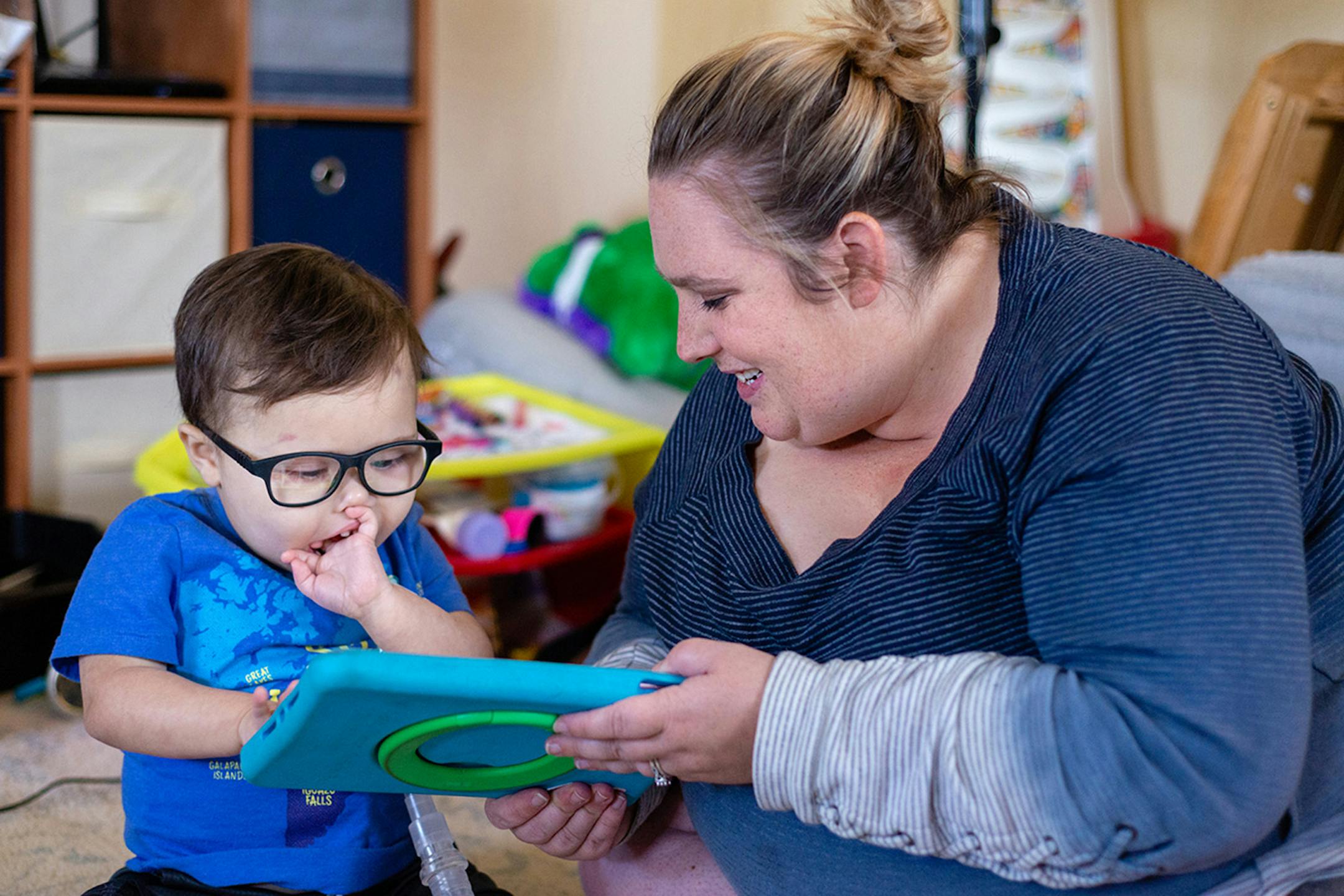
ANN ARBOR, Mich. – Despite the jackhammer-like rhythm of a mechanical ventilator, Alicia Moreno had dozed off in a chair by her 1-year-old's hospital bed, when a doctor woke her with some bad news: The common stool softener her son, Anderson, was given months earlier had been contaminated with the bacterium Burkholderia cepacia.
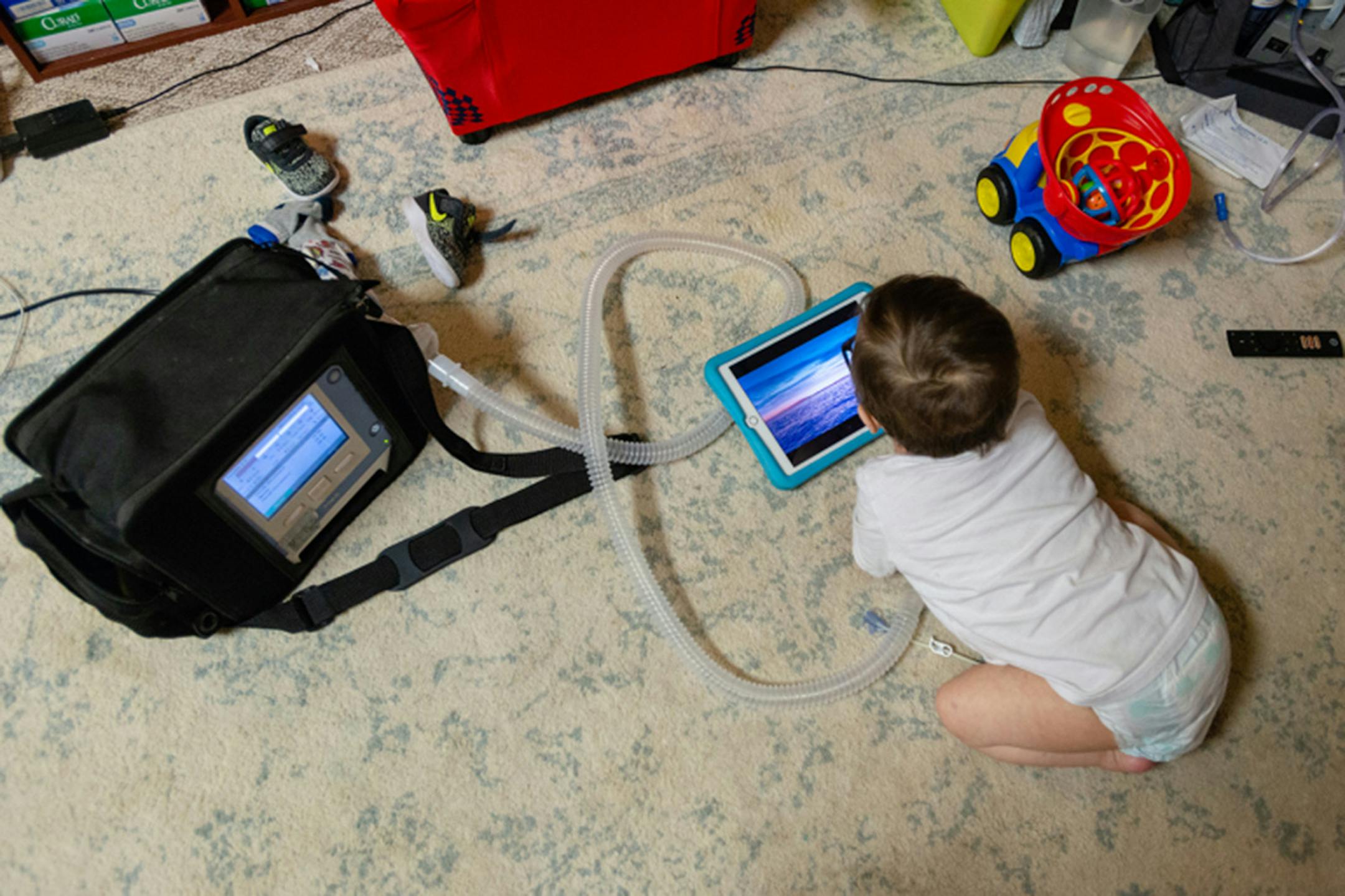
Suddenly, Anderson's rocky course made medical sense. B. cepacia was the same unusual bacterium mysteriously found in the boy's respiratory tract, temporarily taking him off the list for a heart transplant. The same bacterium resurfaced after his transplant and combined with a flu-like illness to infect his lungs. He's been on a ventilator ever since.
The tainted over-the-counter medicine, docusate sodium, routinely prescribed to nearly every hospitalized patient to avert constipation, caused Anderson to suffer "serious and dangerous life-threatening injuries," a lawsuit filed by his family alleges. The drug was eventually recalled, but only after a Texas hospital staff noticed an uptick in B. cepacia infections, prompting a six-month investigation that led back to the tainted drug and its Florida manufacturing plant.
"Something that was supposed to help him hurt him," Alicia Moreno said.
Since the start of 2013, pharmaceutical companies based in the U.S. or abroad have recalled about 8,000 medicines, comprising billions of tablets, bottles and vials that have entered the U.S. drug supply and made their way to patients' medicine cabinets, hospital supply closets and IV drips, a Kaiser Health News investigation shows. The recalls represent a fraction of the medicines shipped each year. But the flawed products contained everything from dangerous bacteria or tiny glass particles to mold — or too much or too little of the drug's active ingredient.
Over the same period, 65 drug-making facilities recalled nearly 300 products within 12 months of passing a Food and Drug Administration inspection — as was the case with the stool softener, according to a KHN analysis of recall notices and inspection records kept by the FDA.
Those recalls included more than 39,000 bottles of the HIV drug Atripla laced with "red silicone rubber particulates," nearly 37,000 generic Abilify tablets that were "superpotent," and nearly 12,000 boxes of generic Aleve (naproxen) that were actually ibuprofen, according to the recall data KHN examined.
The medicine alleged to have sickened Anderson Moreno seriously infected at least 63 other people in 12 states, according to reports by the FDA and Centers for Disease Control and Prevention. The drug was made at a PharmaTech plant in Broward County, Fla. That same plant passed an FDA inspection even while it was making bacteria-laced products, according to a KHN review of the inspection records.