

It's not a great moment to be a Saudi diplomat in Washington these days. The Republican presidential candidate thinks your country should pay for U.S. military protection. The Democratic president is seeking warmer ties with your arch-enemy, Iran. And the U.S. intelligence community is expected to soon declassify 28 pages of a 2003 congressional report a former senator says implicates the kingdom in financing the terror attacks of Sept. 11, 2001.
This last point is particularly sensitive. The 28 pages were classified as part of the first congressional investigation into the 9/11 attacks, and they raise several questions about an alleged Saudi network in the U.S. that aided two of the hijackers, according to press accounts and officials who have read the report. Many of those questions surround a Saudi official named Fahad al-Thumairy, who was in contact with two of the hijackers when they came to San Diego in 2000. The FBI said Thumairy dissembled when being interviewed by agents.
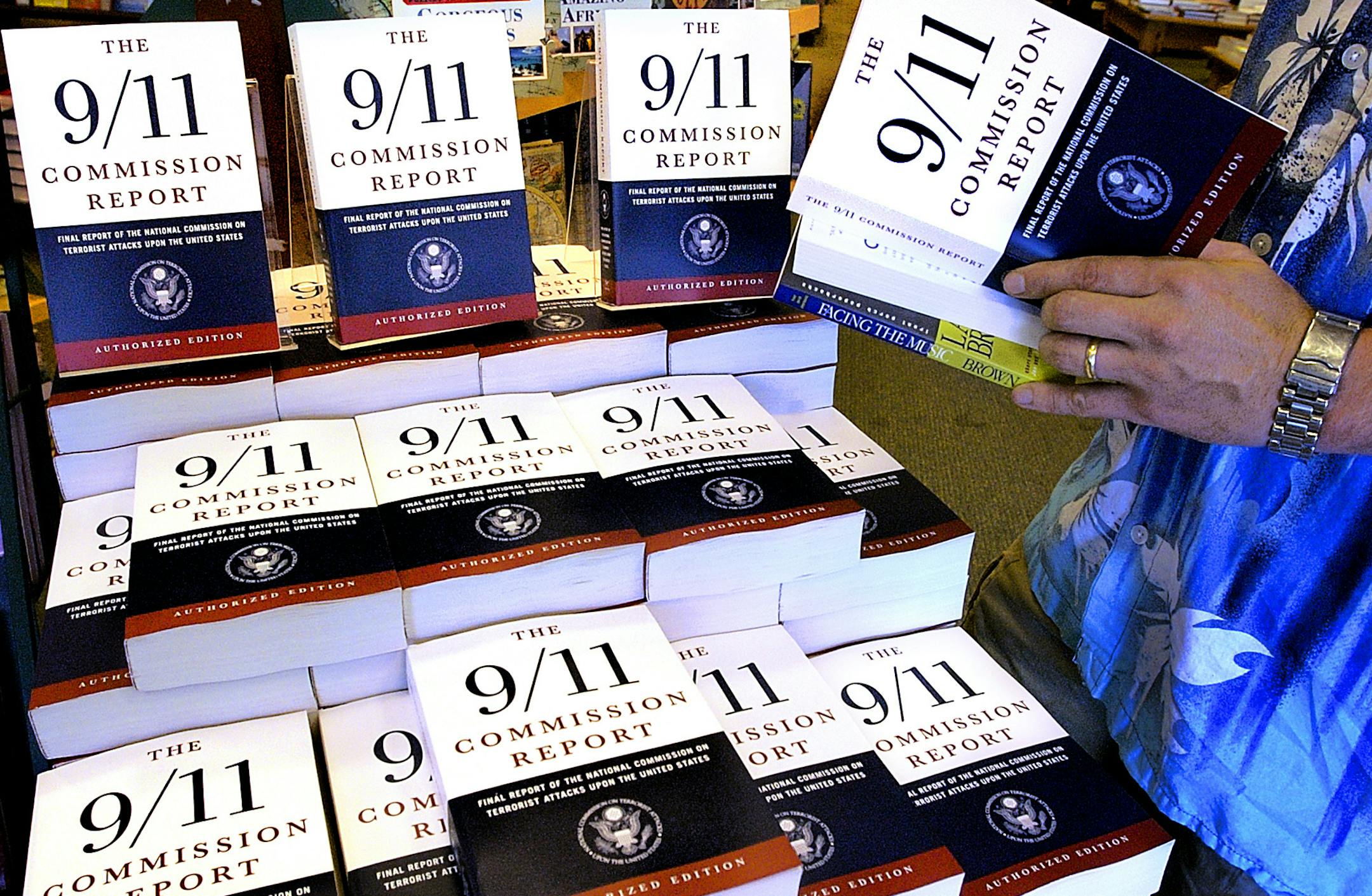
Former Florida Sen. Bob Graham, who was the Democratic chairman of the Senate Intelligence Committee when it investigated the attacks, has been promising in recent months that the 28 pages are explosive. Others have taken a different view. On April 27, the co-chairs of the 9/11 commission, Tom Kean and Lee Hamilton, issued a lengthy statement saying the 28 pages represented raw and unvetted information. They reiterated the commission's conclusion that they found no evidence the Saudi government or senior Saudi officials individually funded Al-Qaida. CIA director John Brennan, a former station chief in Saudi Arabia, said as much himself this month.
Nonetheless, the Saudis are nervous. Nail al-Jubeir, the director of information and congressional affairs at the kingdom's embassy, told me Wednesday he was looking forward to the publication of the 28 pages and he is hoping for zero redactions. "We don't want a single word blacked out, this will just fuel the conspiracy theorists," he said.
When I arrived at his offices, Jubeir handed me a 38-page report prepared by his embassy aimed at countering what Saudis expect will be the charges against the kingdom. The document is mainly a collection of selected quotes from senior U.S. officials and government reports that repeat what most knowledgeable observers already know: Saudi Arabia has been a target of Al-Qaida and a partner in the U.S.-led campaign against it.
As I reported in April, President Obama has enhanced U.S. military and intelligence ties with the Saudis in large part because they have proven to be a valuable ally against jihadist networks.
But this is only part of the story. The government in Riyadh represents a pact between the Saud royal family and a clerical establishment that promotes a corrosive and extreme version of Islam. And while the Saudis have improved dramatically in the last dozen years in regulating charities that were linked to Al-Qaida in the 1990s and terrorist financing in general, to this day Saudi Arabia promotes a kind of Islamic supremacism that stokes an enmity of Jews, Christians, Shiites and "apostates."
Evidence for this is ample. Consider the textbooks Saudi Arabia uses in its own classrooms. A 2006 diplomatic cable, published by WikiLeaks, indicated that an eighth-grade textbook says "God will punish any Muslim who does not literally obey God just as God punished some Jews by turning them into pigs and monkeys."


