

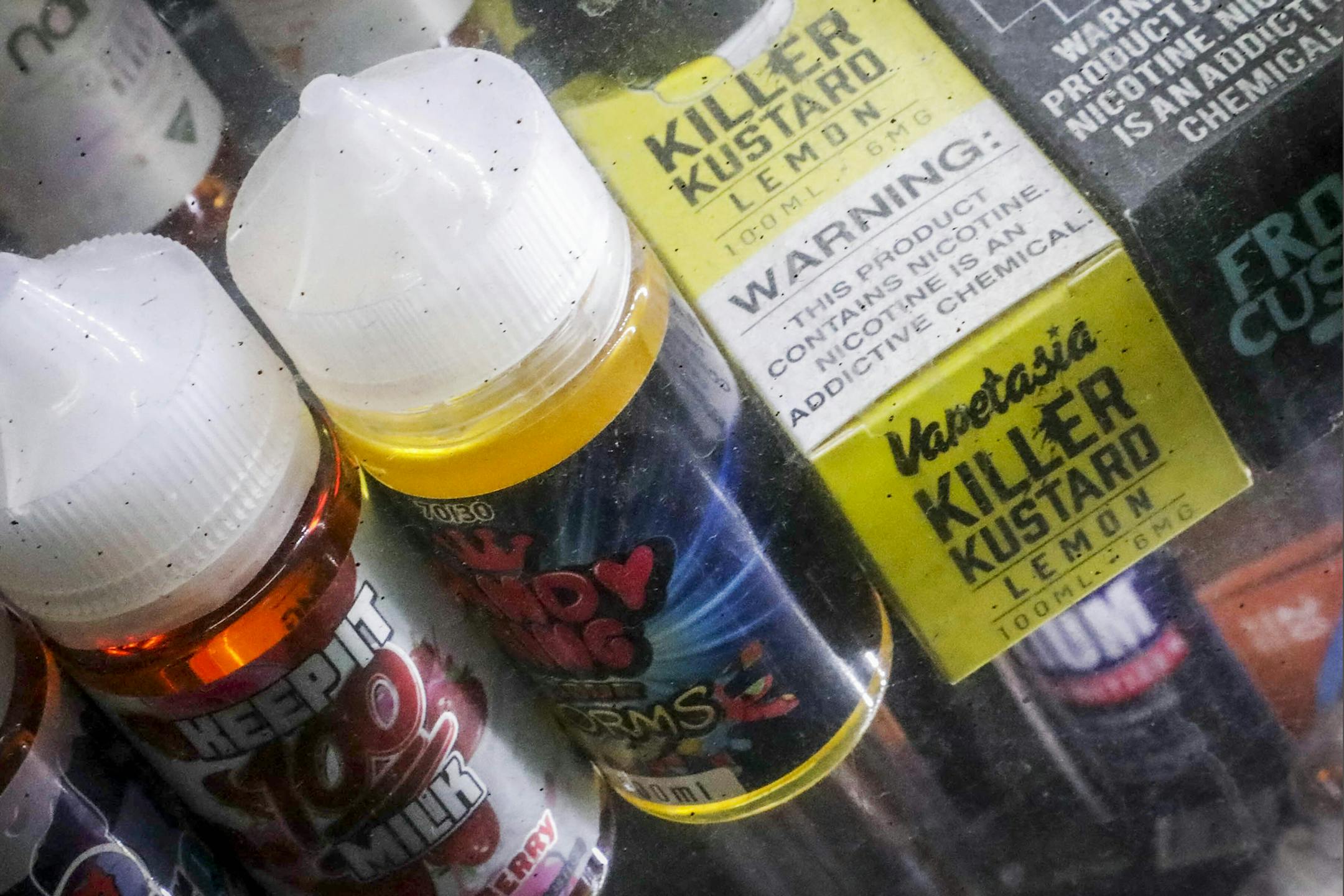
When regulations are contemplated to address an epidemic of teenagers using e-cigarettes, vaping advocates complain loudly. The restrictions will obstruct adult access to these products, they say, foreclosing the opportunity for smokers to use the devices to quit cigarettes. Another complaint: Regulatory action to ban flavored e-cigs, which appeal to children, could end up forcing the shutdown of small vape stores that cater to adults.
The Washington Post reported Sunday that the opposition has succeeded in stalling a Trump administration plan to implement a universal ban on flavored e-cigs as a way to stem the youth epidemic. If the concern is the impact on vape stores, as the Post reported, there are ways to address that while still taking tough steps to reduce kids' access to e-cigs and reduce the products' appeal to them.
As a study published in the New England Journal of Medicine last winter made clear, vaping almost certainly contributes to accelerating declines in smoking rates. E-cigs aren't safe, but when used properly they are not nearly has harmful as lighting tobacco on fire and smoking it.
Yet providing adult smokers with a safer alternative to cigarettes cannot come at the expense of addicting a generation of young people to nicotine with these same products. New data from the Food and Drug Administration shows almost a third of teens now vape. And according to a study published in February in the Journal of the American Medical Association, young people who start out using nicotine through e-cigs are more likely to become long-term smokers.
The solution is to get e-cigs out of the hands of kids but preserve the devices' potential to help adult smokers fully quit cigarettes.
It starts with differentiating between sleek, mass-produced e-cigs that use pre-filled, flavored pods of nicotine, as with Juul's products, and hardware that requires nicotine to be poured into open tanks.
The open-tank products typically have larger batteries and are sold at higher prices. Since they produce sizable plumes of hard-to-conceal vapor, they aren't popular with teenagers. With data now supporting the distinction between young people's use of cartridge-based and open-tank vapes, the devices can be treated differently under the FDA's enforcement policy.
The FDA can immediately remove from the marketplace the cartridge-based e-cigs that kids use. Teens like the devices' sleek form, but also the big nicotine buzz that they offer. It's not just about the flavors. Even with Juul recently committing to ending sales of its kid-friendly mint flavor, we should expect teens to switch to the company's mild tobacco flavors.


