

Rock the Vote, the turnout organization geared toward voters ages 18 to 24, thinks it knows what they want. In its intended-to-be-viral video released this month, " TURNOUTFORWHAT" (after rapper Lil Jon's song "Turn Down for What"), millennial icons such as Lil Jon, Lena Dunham, Fred Armisen explain that they're going to vote because of marijuana legalization, reproductive rights and climate change - issues that, they think, will drive young people to the polls on Tuesday. They aren't alone: The press, political parties and advocacy groups parrot the same messages to new voters.
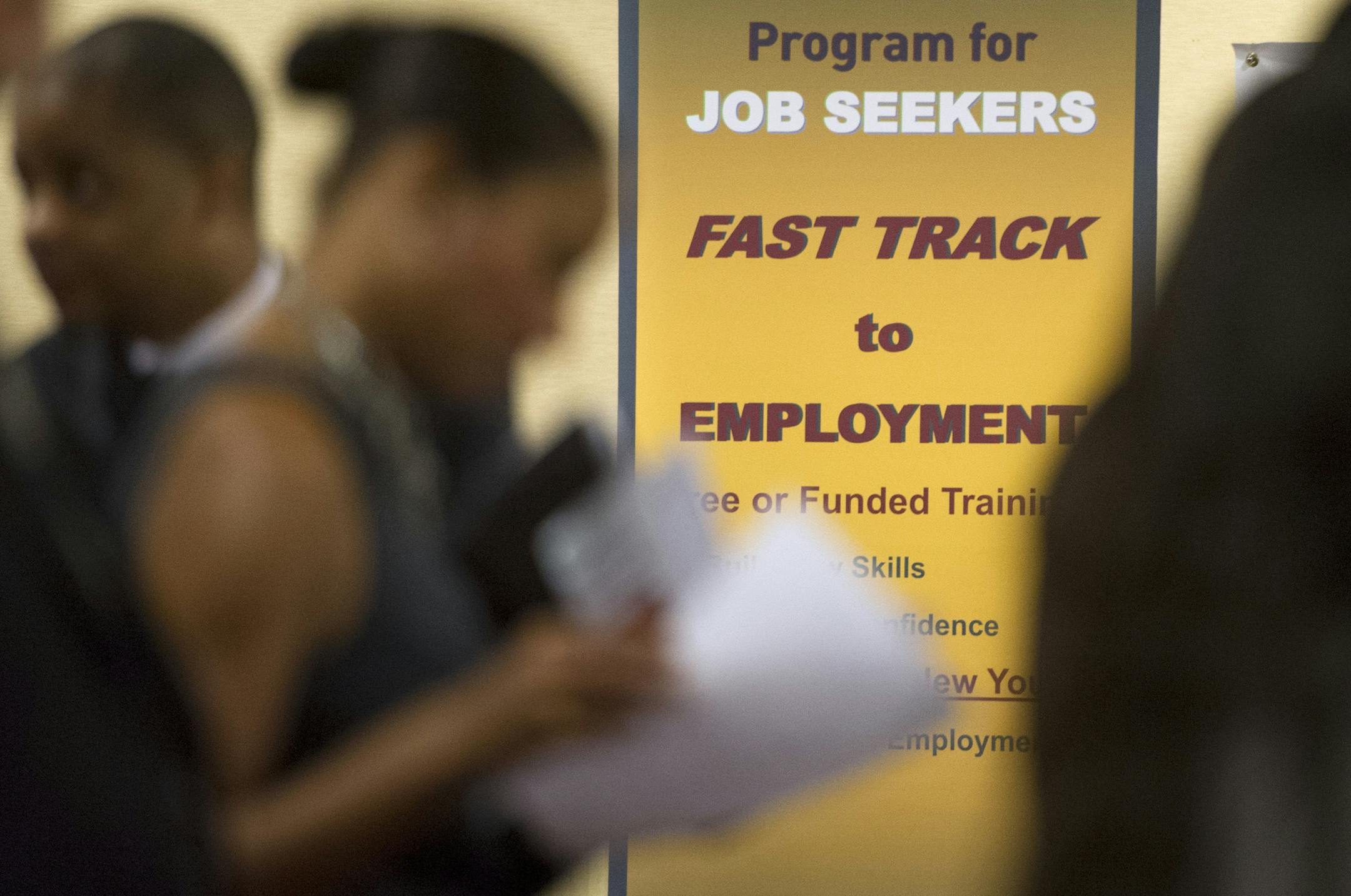
There's just one problem: Young voters, who tend to stay home during midterms, care most about the issue that all other Americans care about: employment, and how to secure a decent income in a reawakening economy. In an election that, we are told, will be determined by turnout, organizers and pols still have no idea how to speak to young people.
The naivete is widespread. Columnists, politicians, organizers and campaign consultants continually float non-economic issues such as marijuana or global warming as the miracle elixir for young voters' lethargy. Yet they perfectly understand how government programs such as Social Security matter to seniors or tax credits and loans matter to middle-aged adults. Even when attempting to approach millennial economics, they get it wrong: President Barack Obama's recent appeal to youths through an essay on Medium talked mostly about innovation, devoting only one sentence to unemployment. He completely ignored the minimum wage, internships, or temporary and part-time work, despite the particular relevance to the demographic.
Yet millennials are perfectly clear about the primacy of traditional economic concerns to their voting. In Fusion's Massive Millennial Poll from this month, the largest recent survey of this segment, potential voters named "the economy" their most important issue by far (twice as popular as "education"; seven times as popular as "climate change").
That's an understandable perspective when the unemployment rate for the 20-24 age group is about twice the national average, wage growth for recent graduates has been even more sluggish than for other groups, and signs indicate we will be no more upwardly mobile than our parents. We are excelling in some sense: We helped student debt break the $1 trillion mark, we are noted for our thriftiness, and our economic "scars" get us compared to people who lived through the Great Depression.
Not a single political ad this cycle mentioned internships, AmeriCorps or job training.
Yet real solutions are nowhere to be found. The minimum-wage issue has popped up in some races (such as Alison Lundergan Grimes vs. Senate Majority Leader Mitch McConnell in Kentucky), and student loan financing became a small issue in New Hampshire's Senate race. Some races pay lip service to college financing and student debt loads (never mind that the topic extends far beyond millennials). But they have nothing to say about three core economic questions for young workers: internships, the AmeriCorps program and job training.
Internships symbolize a host of millennial problems: youth unemployment, wage sluggishness, labor precarity and reduced mobility. The million-plus internships taken every year, very often unpaid, replace entry-level jobs, increase temporary work turnover and ensure that the rich pass on careers only to those who can afford to pay to play. The behavior of this year's candidates says enough: Of all candidates in the eight closest Senate races, only one incumbent Democrat (Mark Begich, Arkansas) and two Republicans (Pat Roberts, Kansas, and McConnell) pay their interns. Consciously or not, almost everyone running for office now actively reinforces the growing traps of the millennial economic experience.


