There were moments winding up the Frankfurt Dom tower's 328 stairs when I considered turning around. Climbing the 20 stories was one thing, but at times, the corridor narrowed to an uncomfortable coziness.
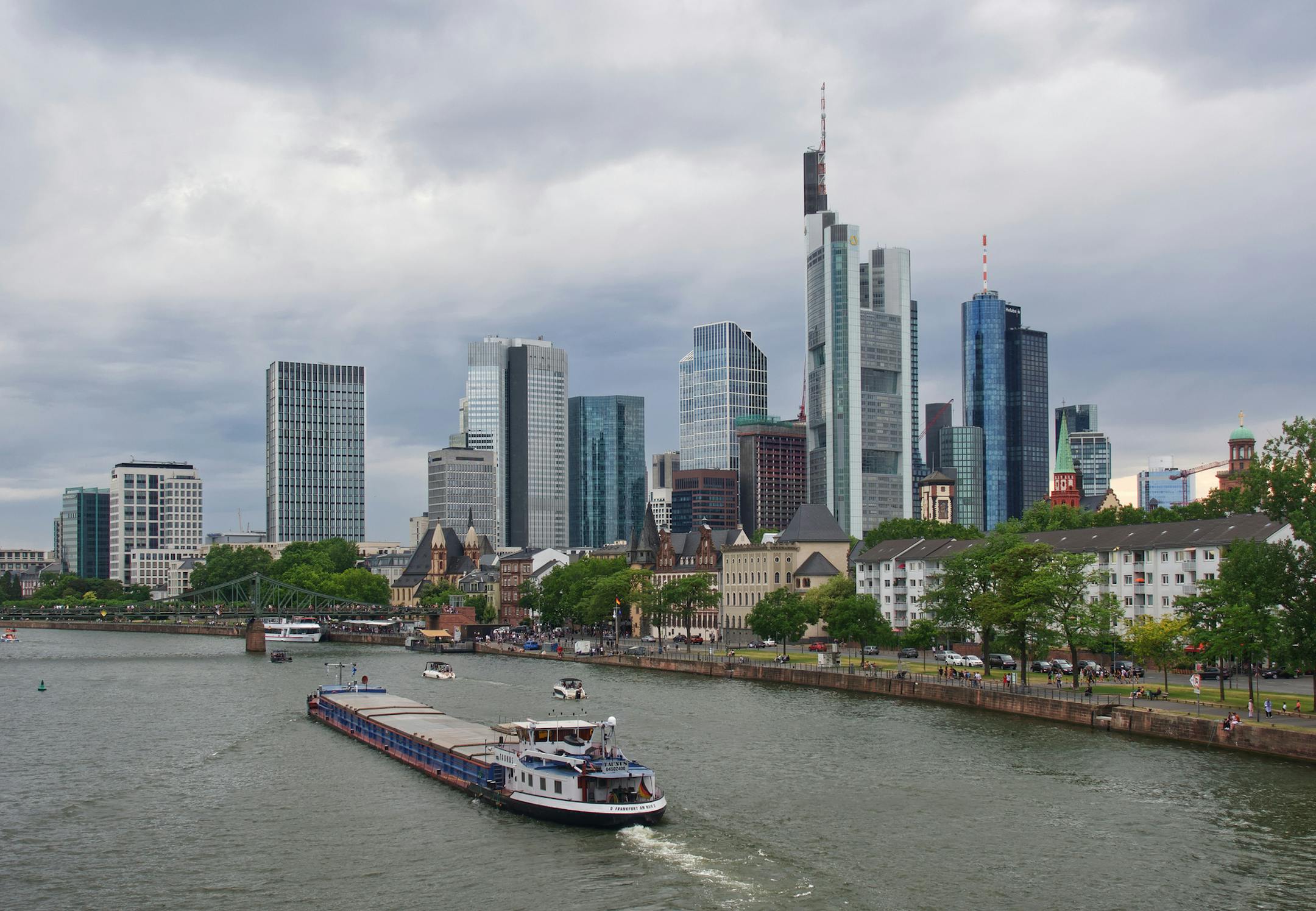
It helped to remember that people had successfully cleared them literally for centuries, and to focus on each small stone step until I hit the open air of the observation deck. There, I doled out the little packs of gummy bears my kids were given at the ticket booth as rewards for their climb, and slowly edged around the Gothic spire, admiring my own reward: a view of bridge after bridge crossing the narrow, gray band of Main River, and Old Town's storybook timber-frame buildings existing in stark contrast to the chunk of gleaming skyscrapers and tower cranes looming in the distance.
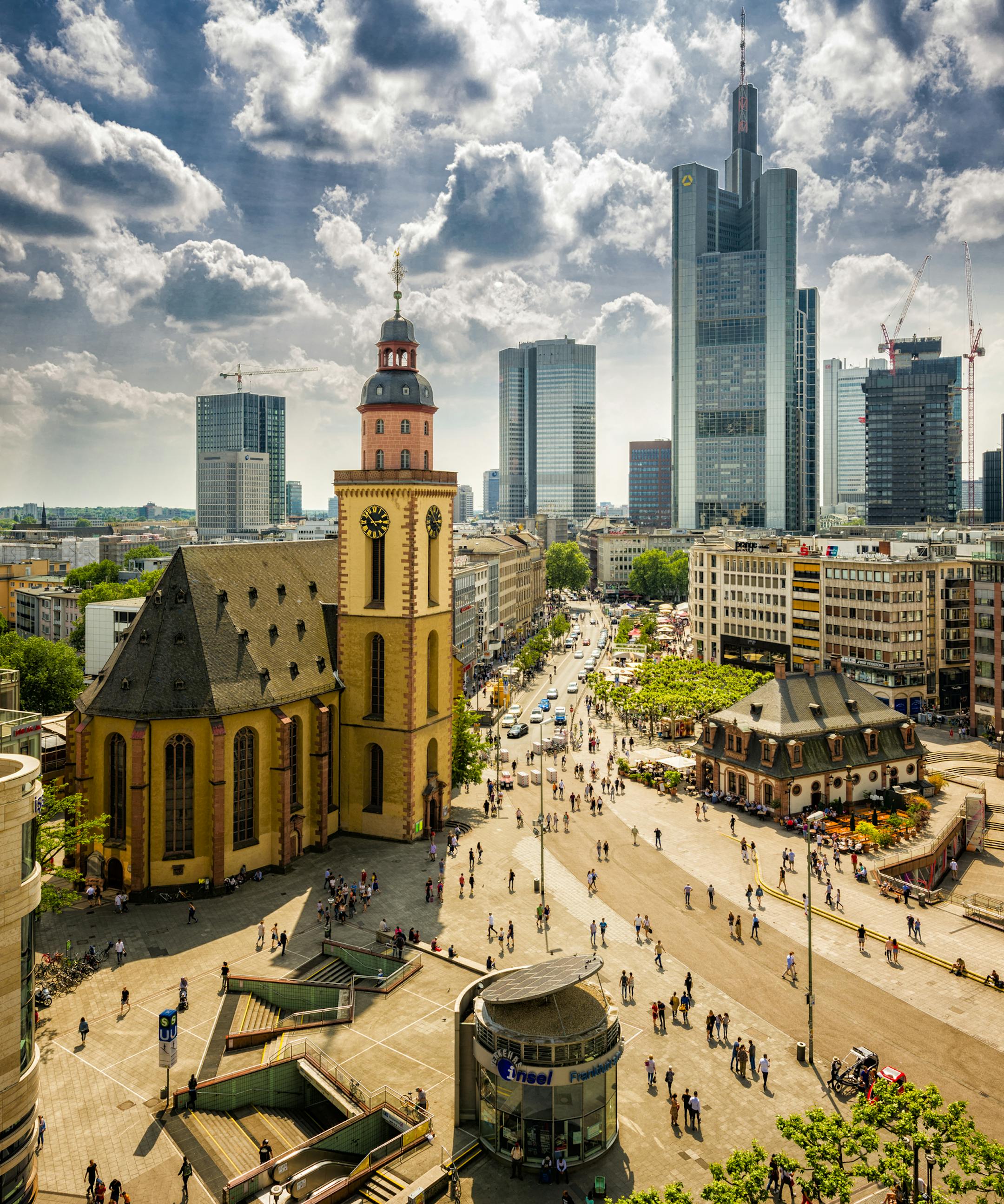
That shiny postwar city center has earned Frankfurt the nickname Mainhattan, referencing both the modern skyline and the river snaking along at its foot. It's easy to point a finger at that hulking modern downtown when considering that although Frankfurt hosts Germany's busiest airport, most travelers pass it by. It doesn't crack the country's top three destinations.
I'd been a bypasser in the past, wooed by the inexpensive direct flight out of Minneapolis-St. Paul International paired with the centrally located train station ready to shuttle me off to a headliner European destination that more obviously looked the part. This time, when traveling elsewhere with my family, I decided to linger for a few days and see what I'd been missing.
It's an interesting time to visit the city of 747,000. Those huge cranes I spotted, for example, signify banks and businesses moving here from London — Frankfurt is on the shortlist of contenders to become the European Union's new financial hub post-Brexit. It's also Germany's most multicultural city, with the number of residents who are not German natives recently passing the 50% mark.
And at its heart, right along the river, a multimillion-dollar restoration of the Alstadt (aka Old Town) wrapped up last year, showcasing Frankfurt's compelling mix of old and new, tradition and change, in one wonderfully immersive experience.
A new Old Town
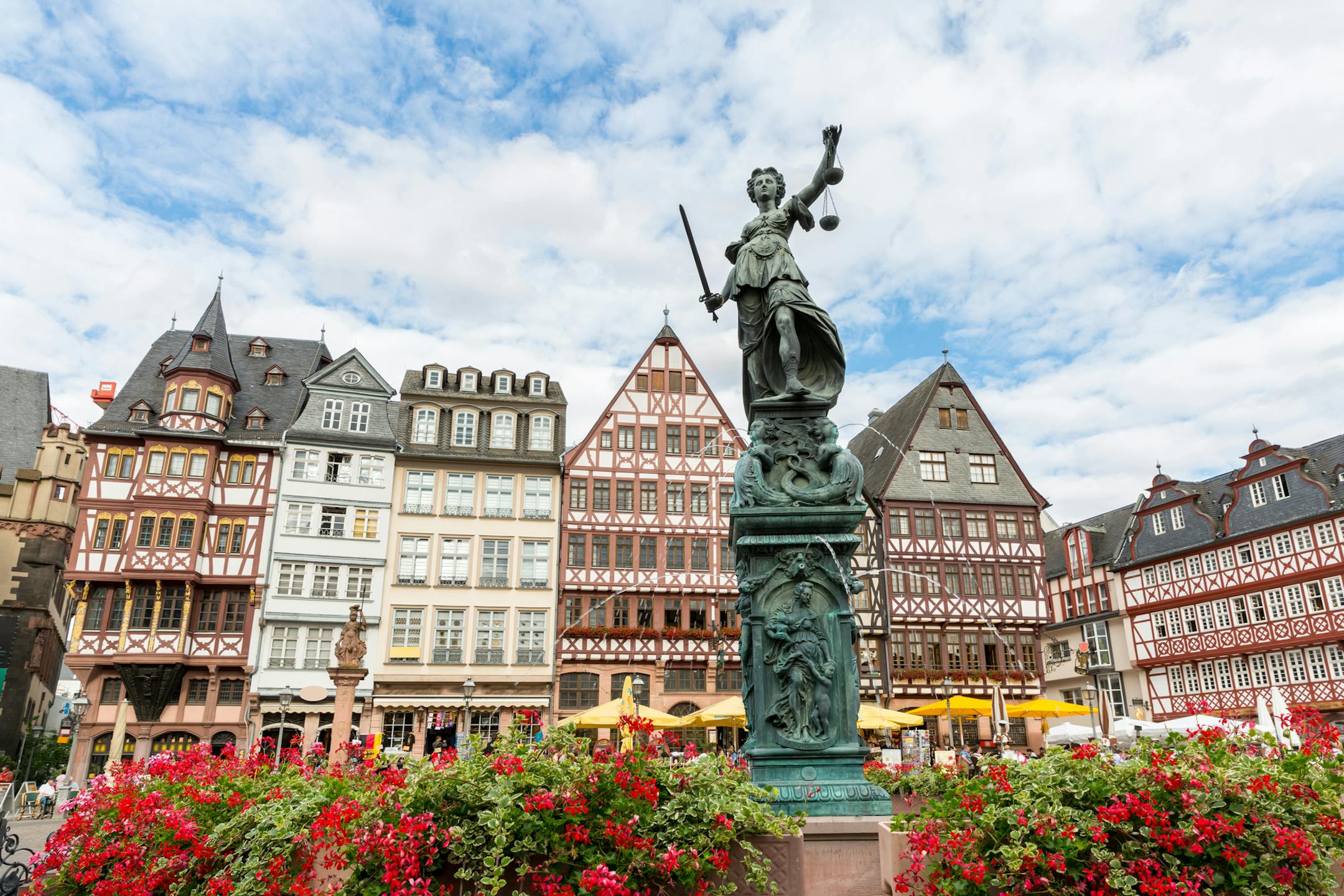
My little family of four hit the cobblestone square midmorning, still early enough that we had our pick of tables at one of the cafes along its edge. The kids — Roy, 8, and Vera, 6 — ate ice cream as my husband, Clint, and I sipped espresso. Dueling church bells regularly joined the murmur of conversations in languages we did not understand. Pigeons waddled past tourists with selfie arms outstretched to capture City Hall's distinct trio of soaring stepped-gable peaks in the background.
Centuries ago, this was considered Germany's most striking city center, a vibrant medieval timber-frame town where international trade markets bustled, emperors were crowned and intellectuals and artists, including Johann Wolfgang von Goethe, found inspiration. A World War II air raid in 1944 leveled it overnight.