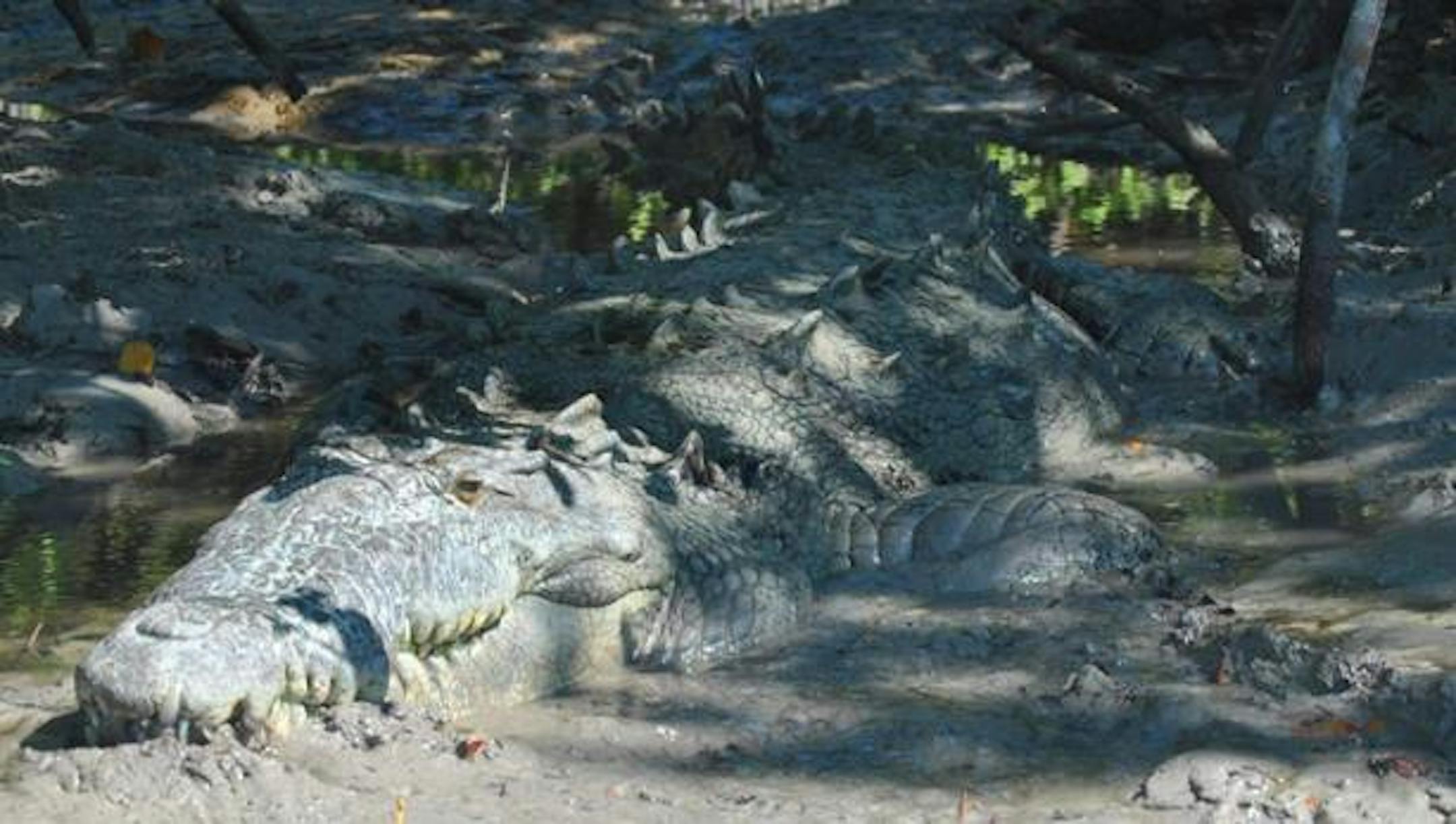
A 400-pound crocodile is glaring at me 15 feet away with its razor sharp teeth on display. A cunning predator, the crocodile has the strongest jaws on the planet with a biting force of 5,000 pounds per inch.
"Crocs can jump through the air faster than you can blink," says my guide, Jim Willcox.
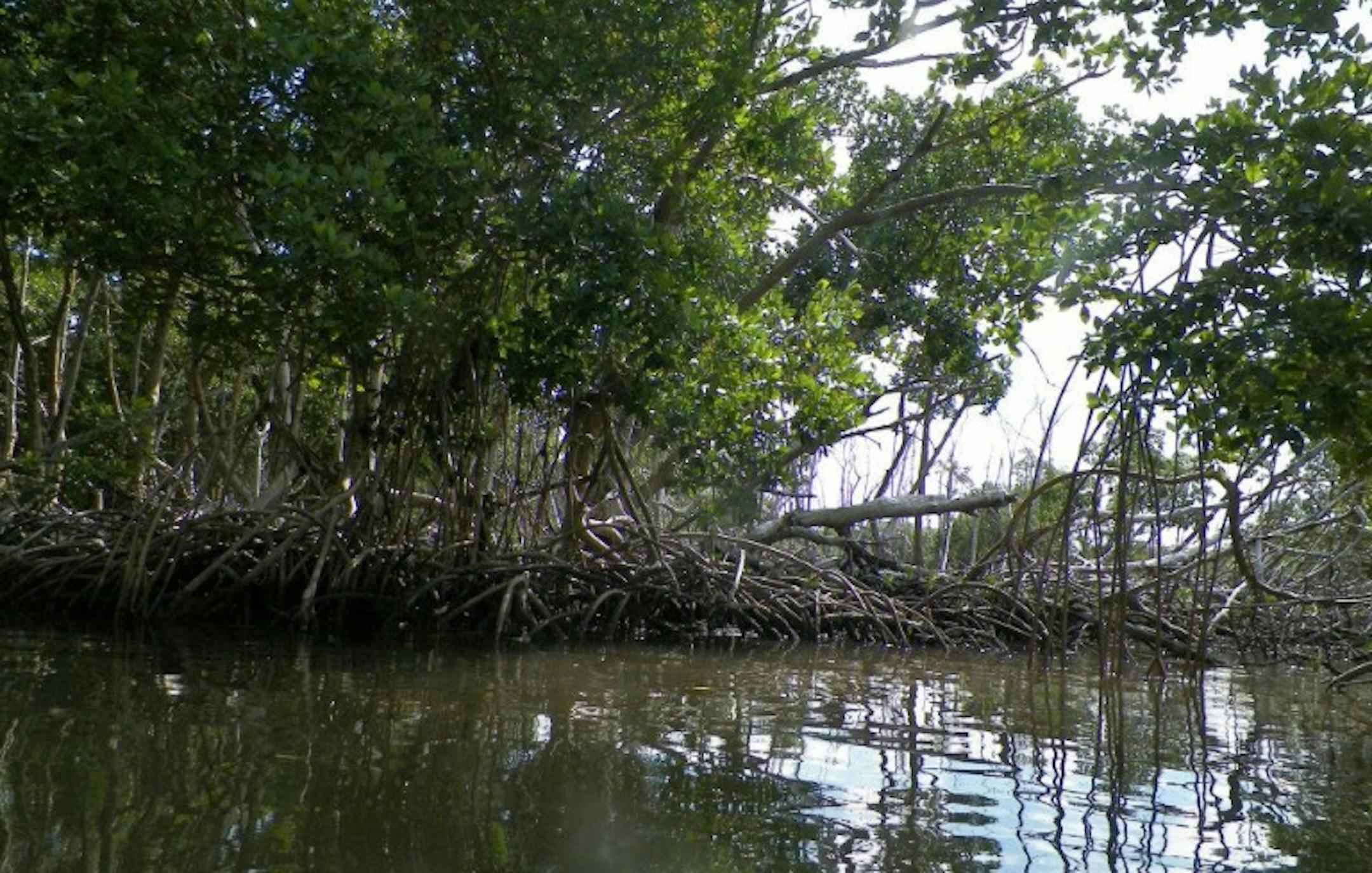
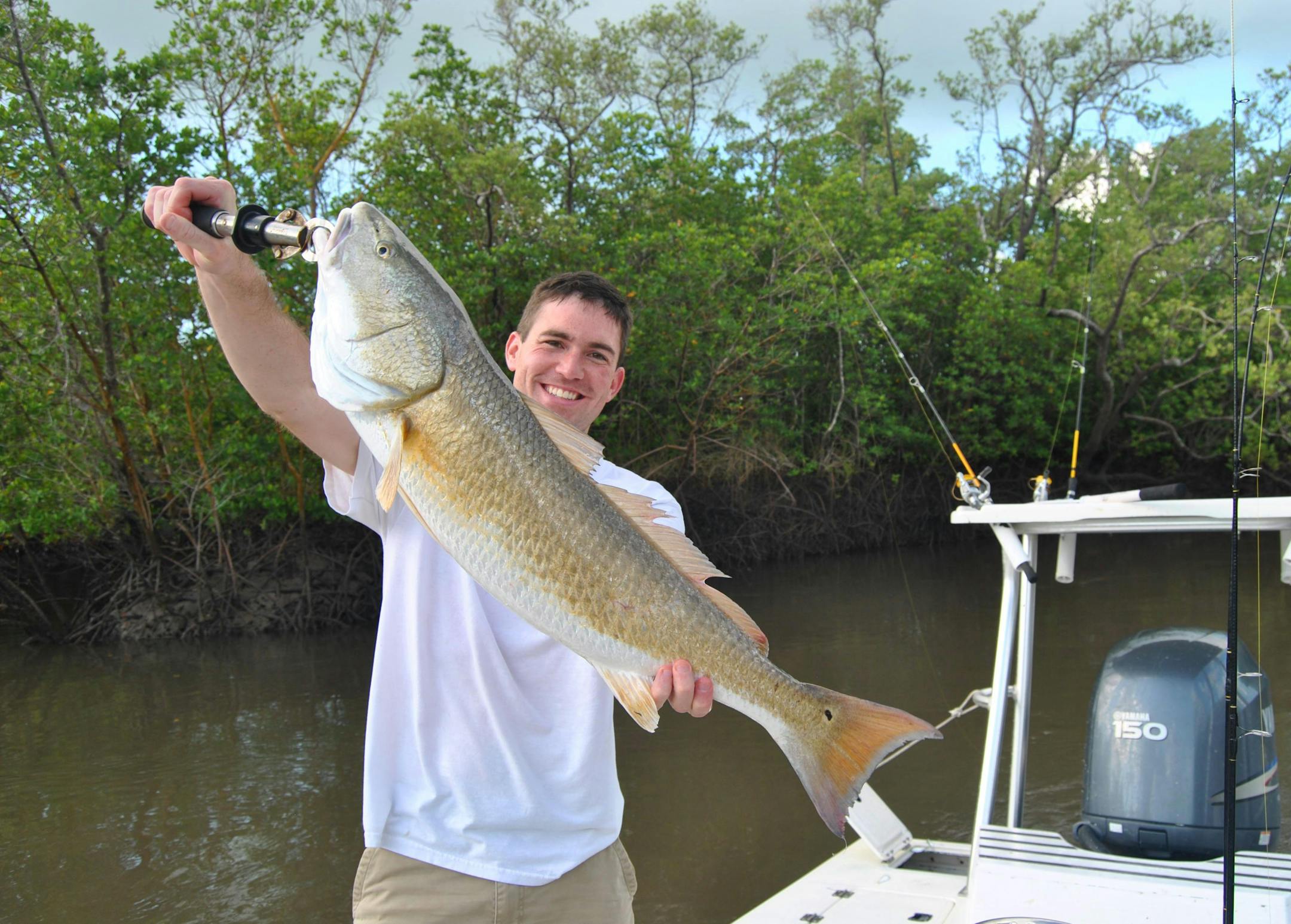
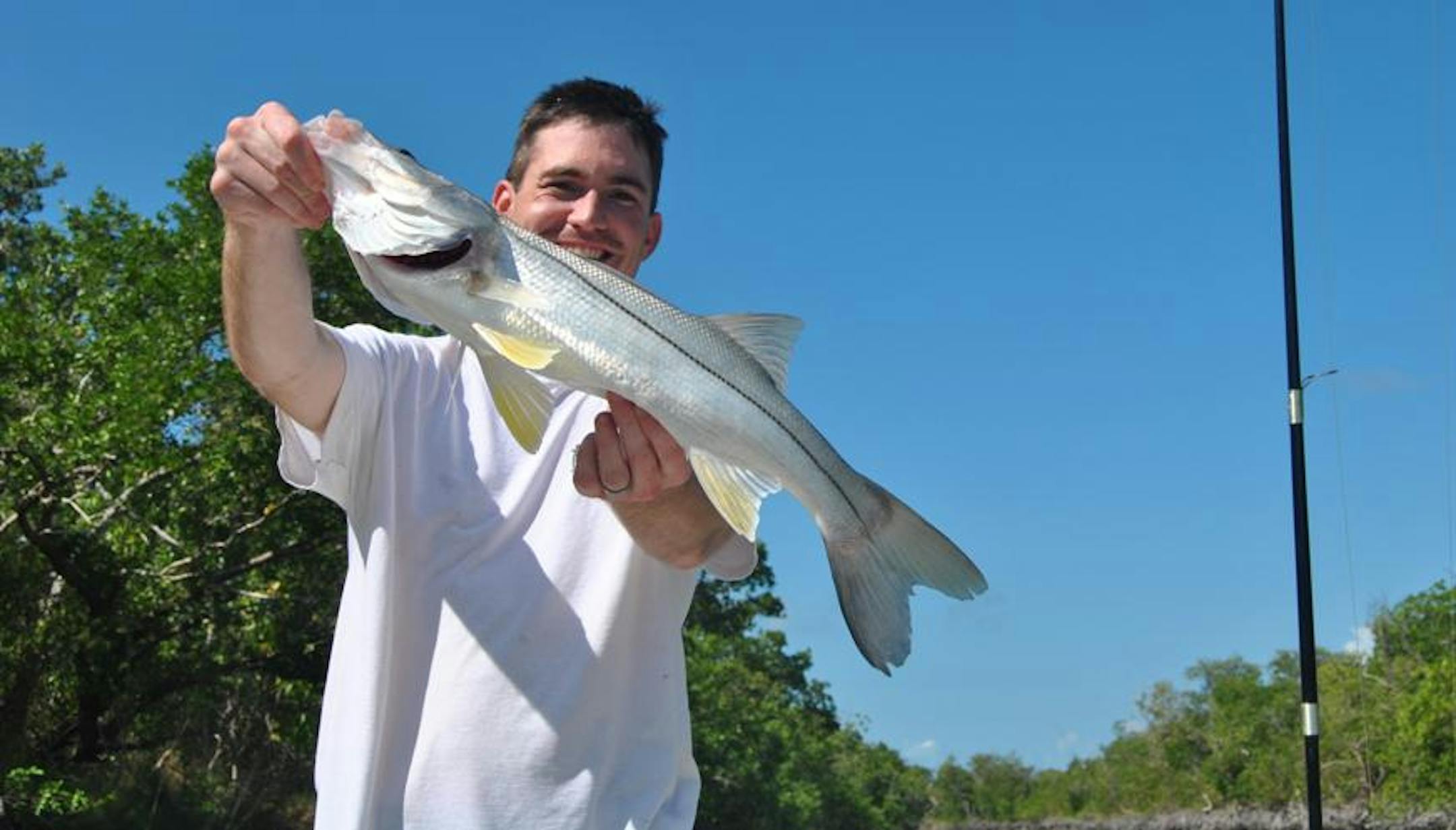
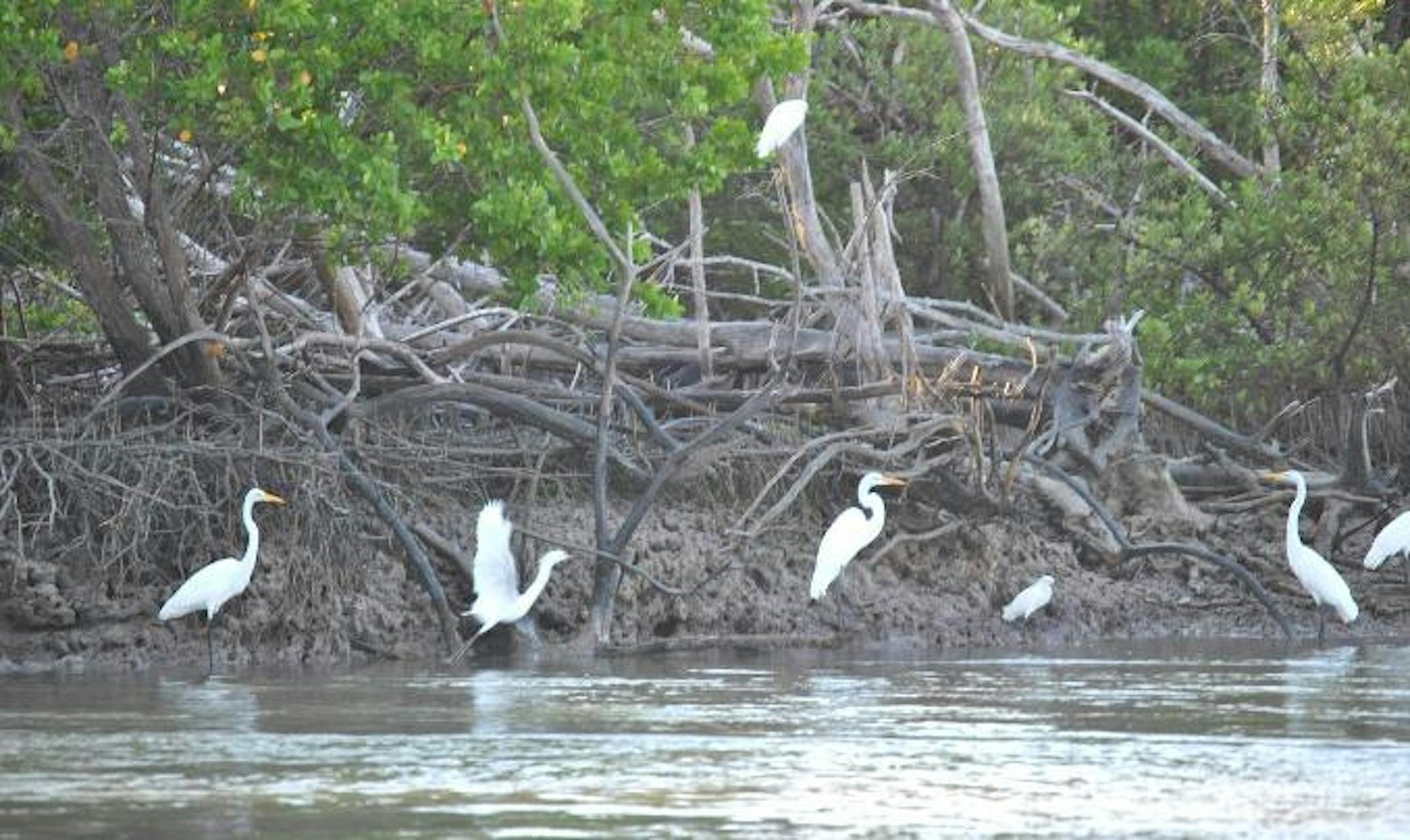
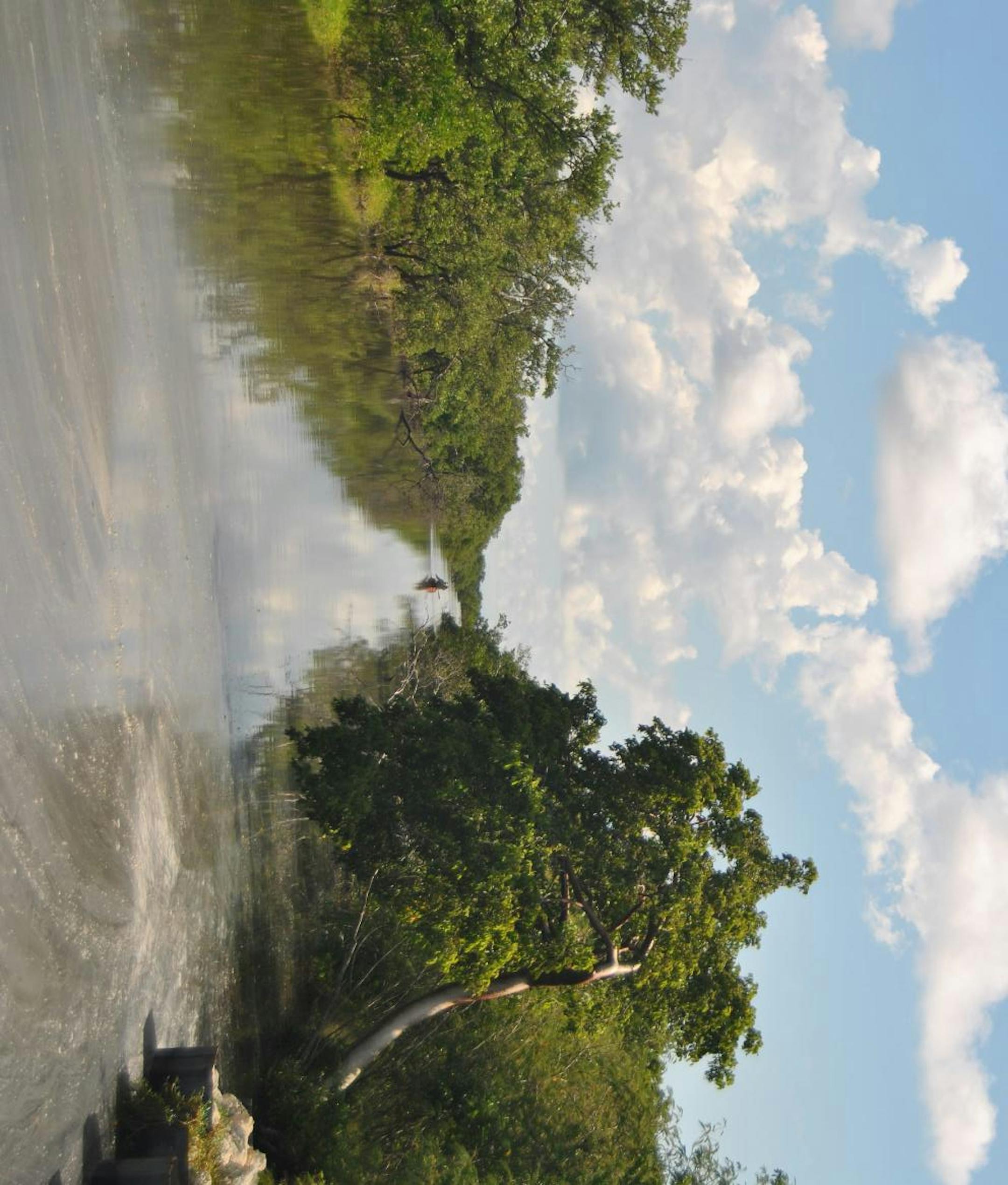
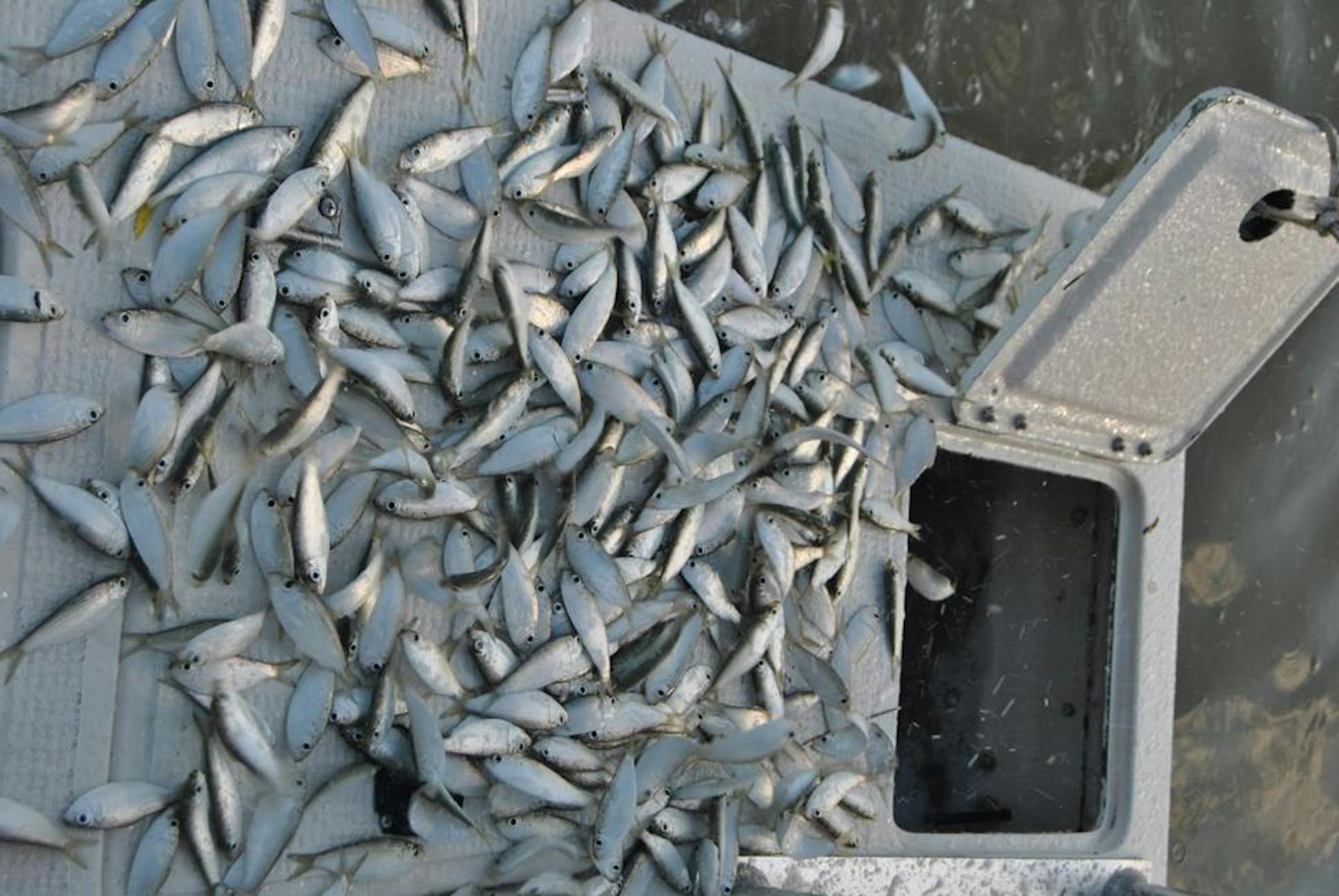
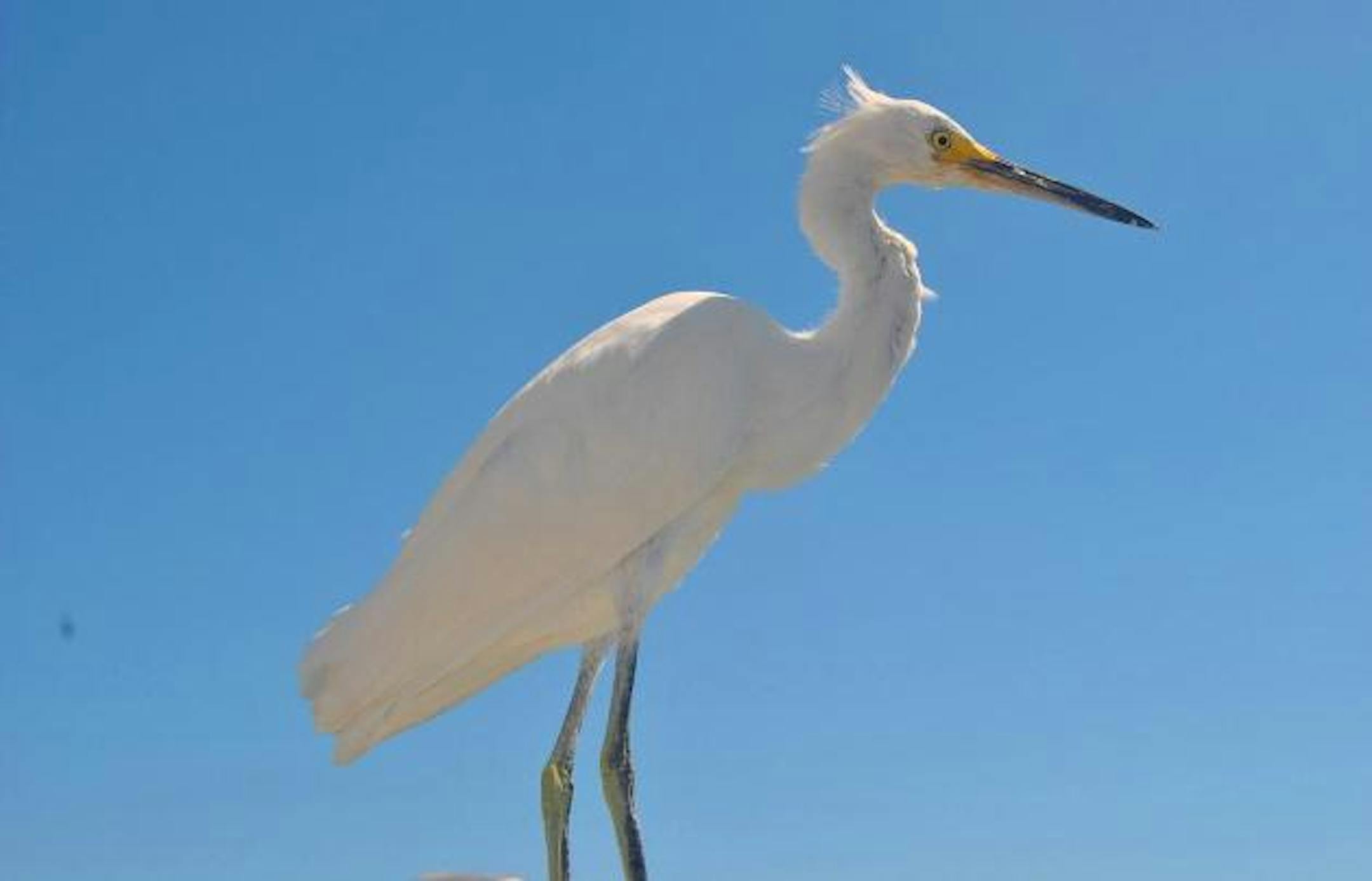
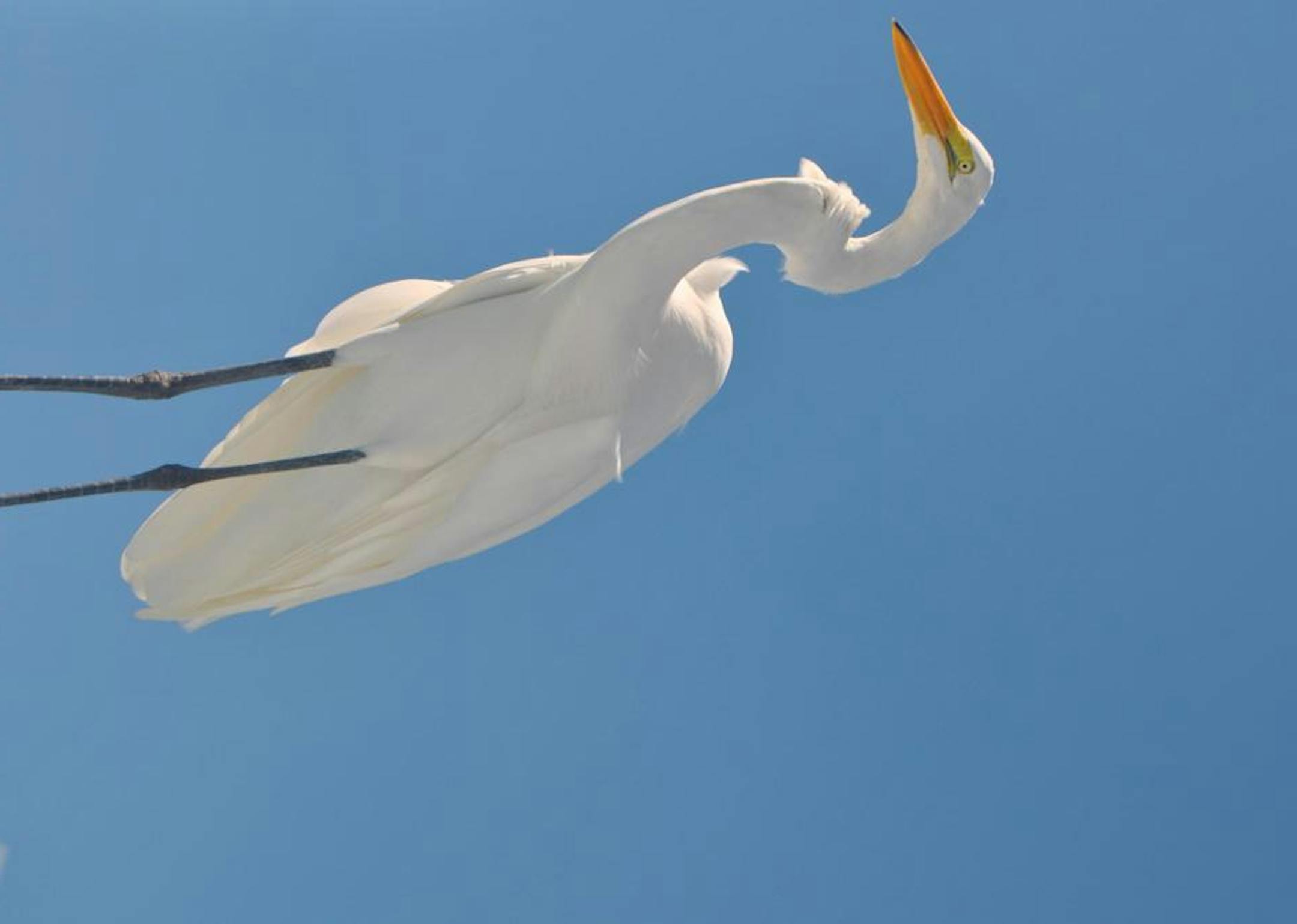
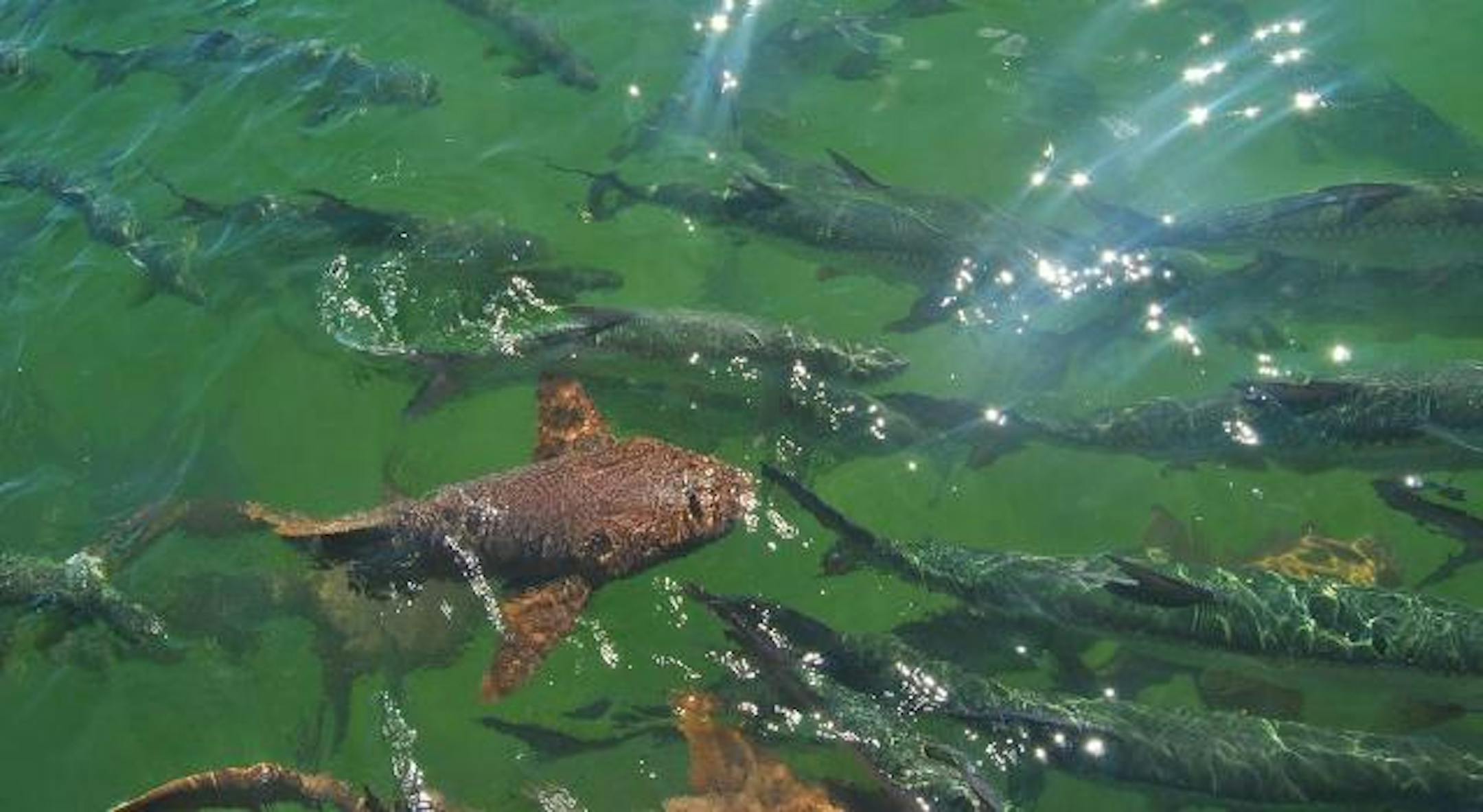
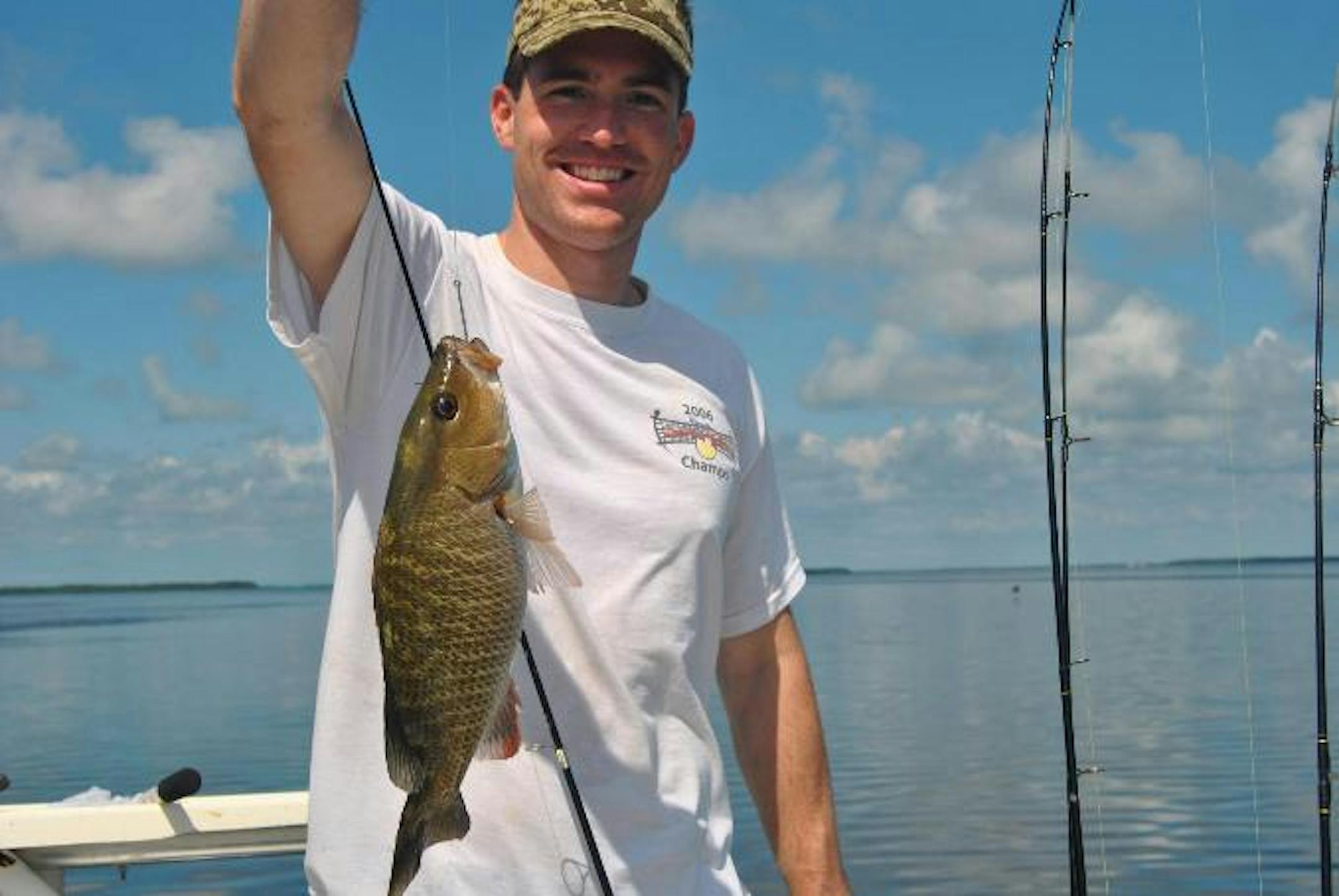
I am miles away from civilization, in the upper reaches of a narrow river channel winding through the jungle, as Willcox whispers these comforting words. Today I have spotted birds I never knew existed, and caught five types of fish I've never before seen.
Now I lock eyes with the crocodile and wonder, for the first time during this extreme fishing pursuit, if I am perhaps no longer the predator.
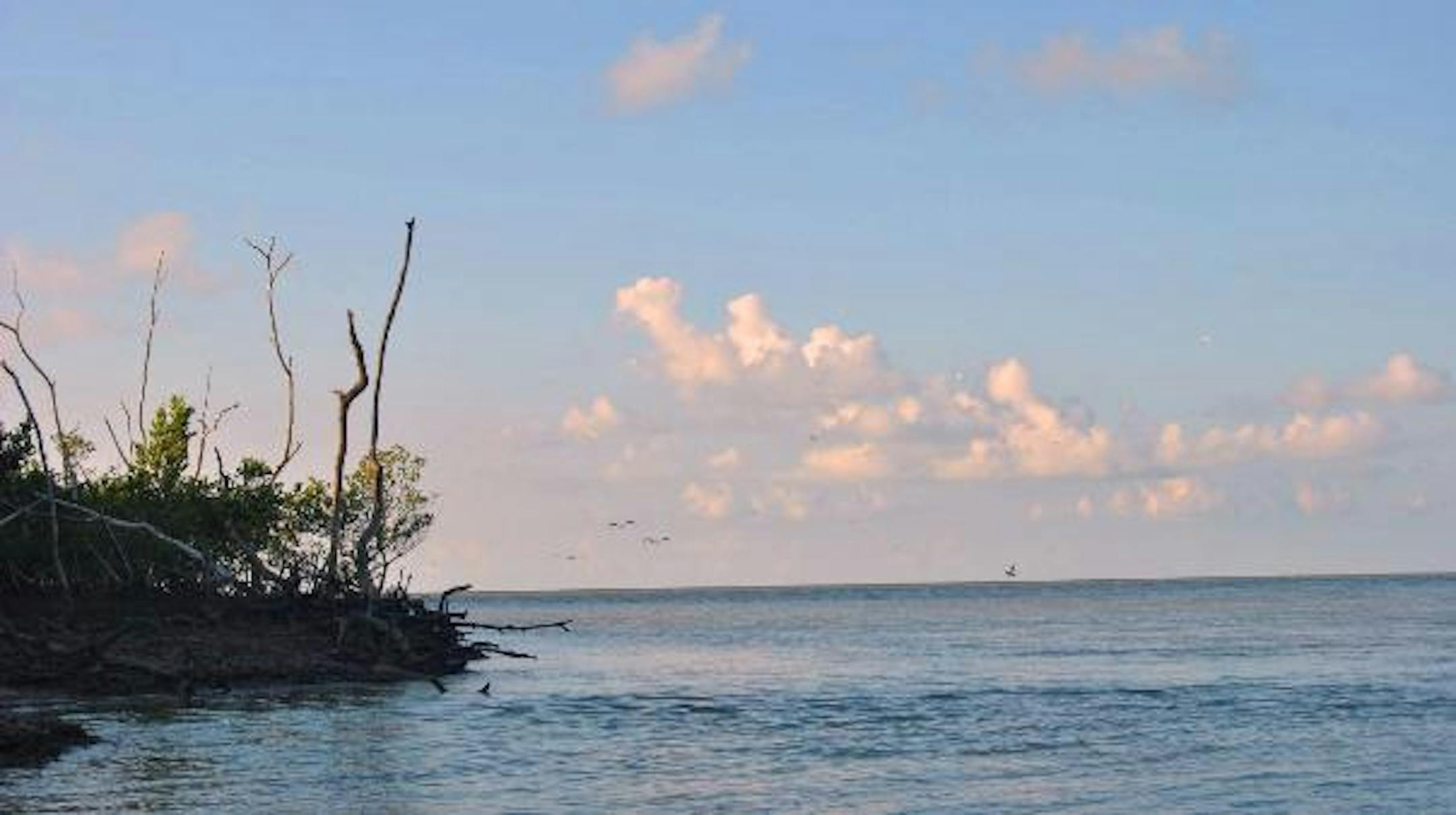
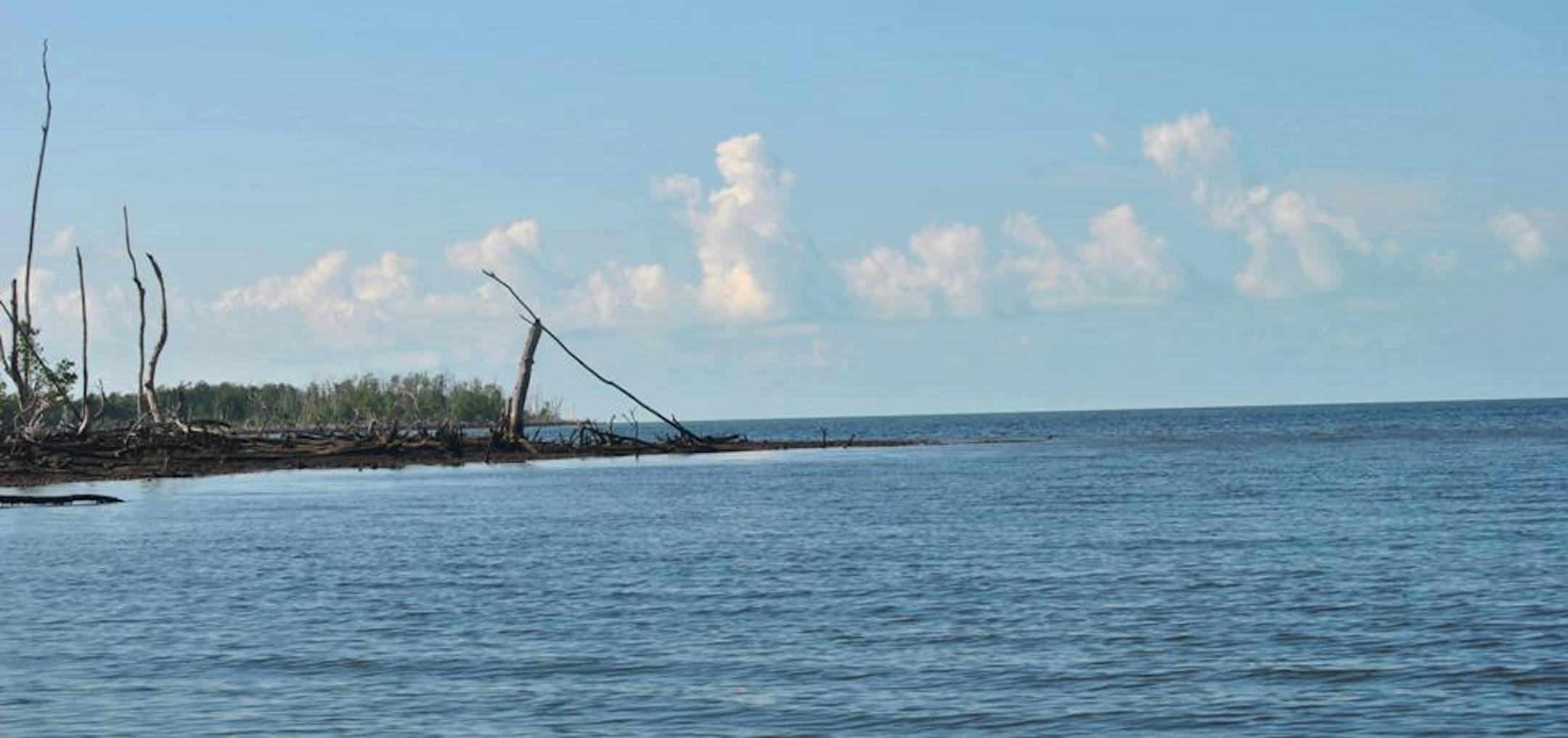
It feels as though I am in the Amazon, or maybe on the Nile River, fishing in a foreign world where crocodiles are kings––they have been known to attack great white sharks––and every cast holds the promise of catching something bizarre. Instead, I am only 80 miles south of Miami, fishing in the Florida Everglades with a man many say is the best guide in the business.
And while reaching Captain Jim Willcox was easy and inexpensive compared to the travel required for equal adventures in far-flung parts of the world, our journey since leaving the dock in Islamorada, Florida, has not been void of danger. "He died this spring," Willcox says, nodding to a memorial photo pinned to a mangrove tree along the channel. "Lost control of his boat. They found his boat way up in the mangrove trees with the motor still running 90 minutes after the crash."
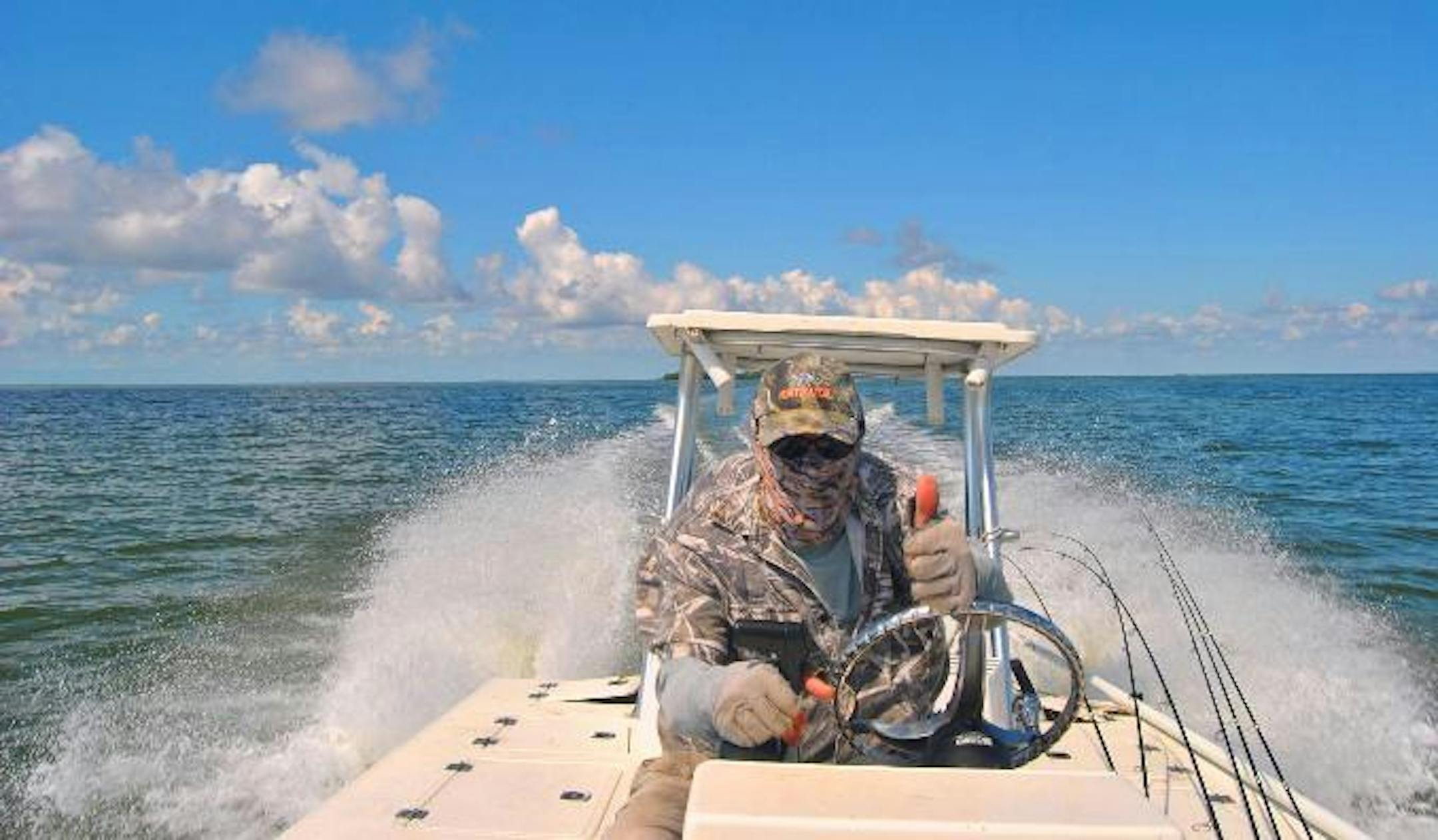
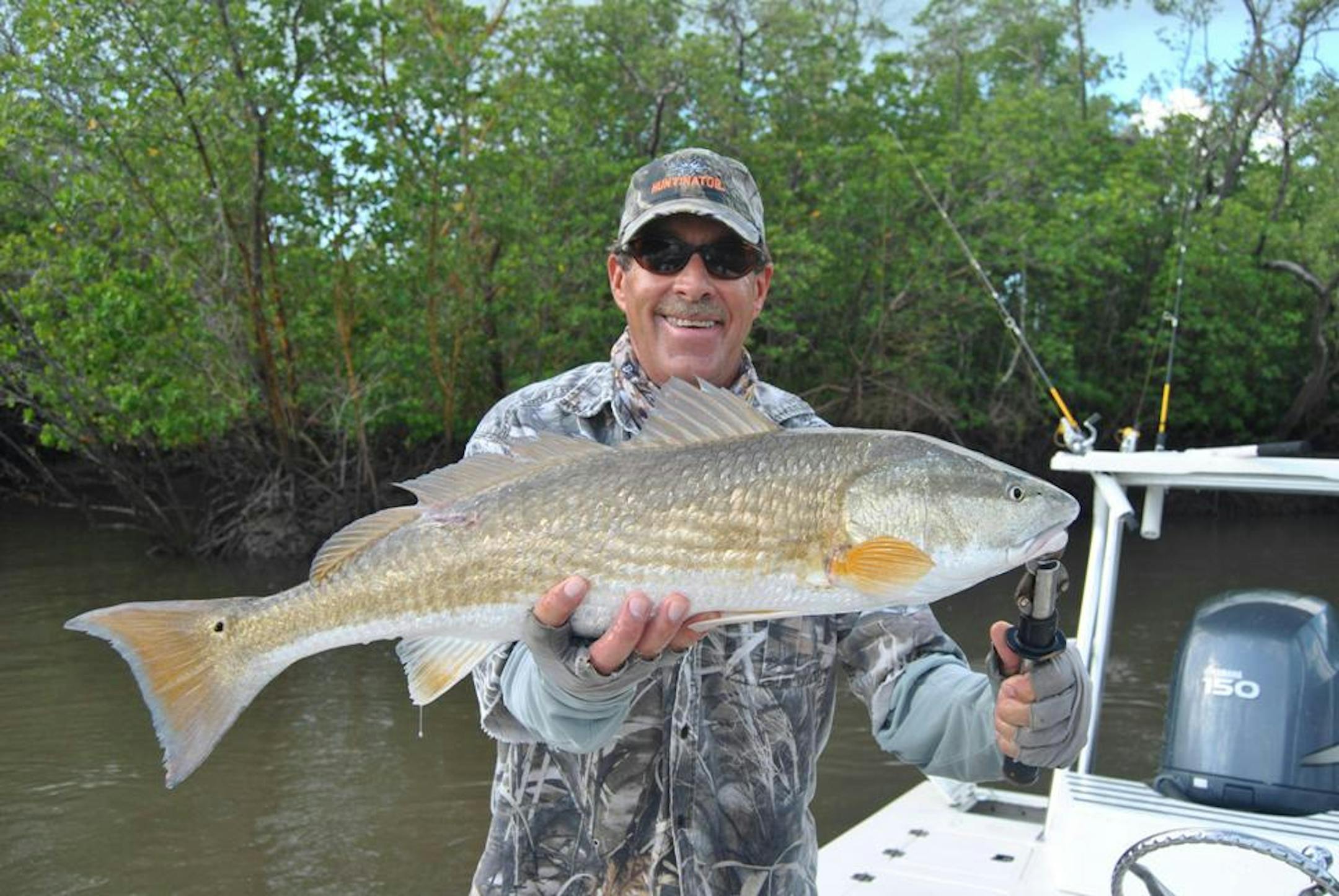
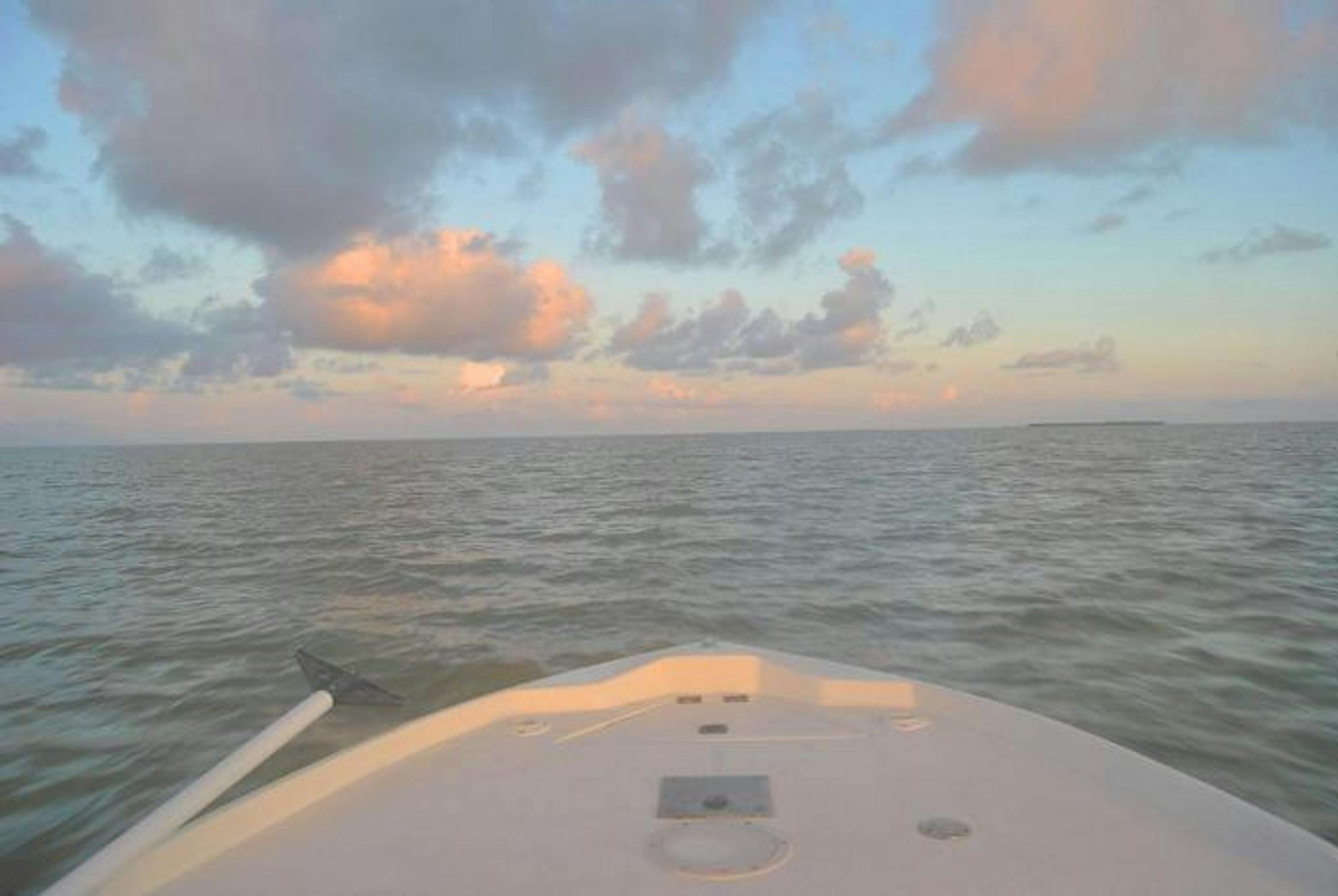
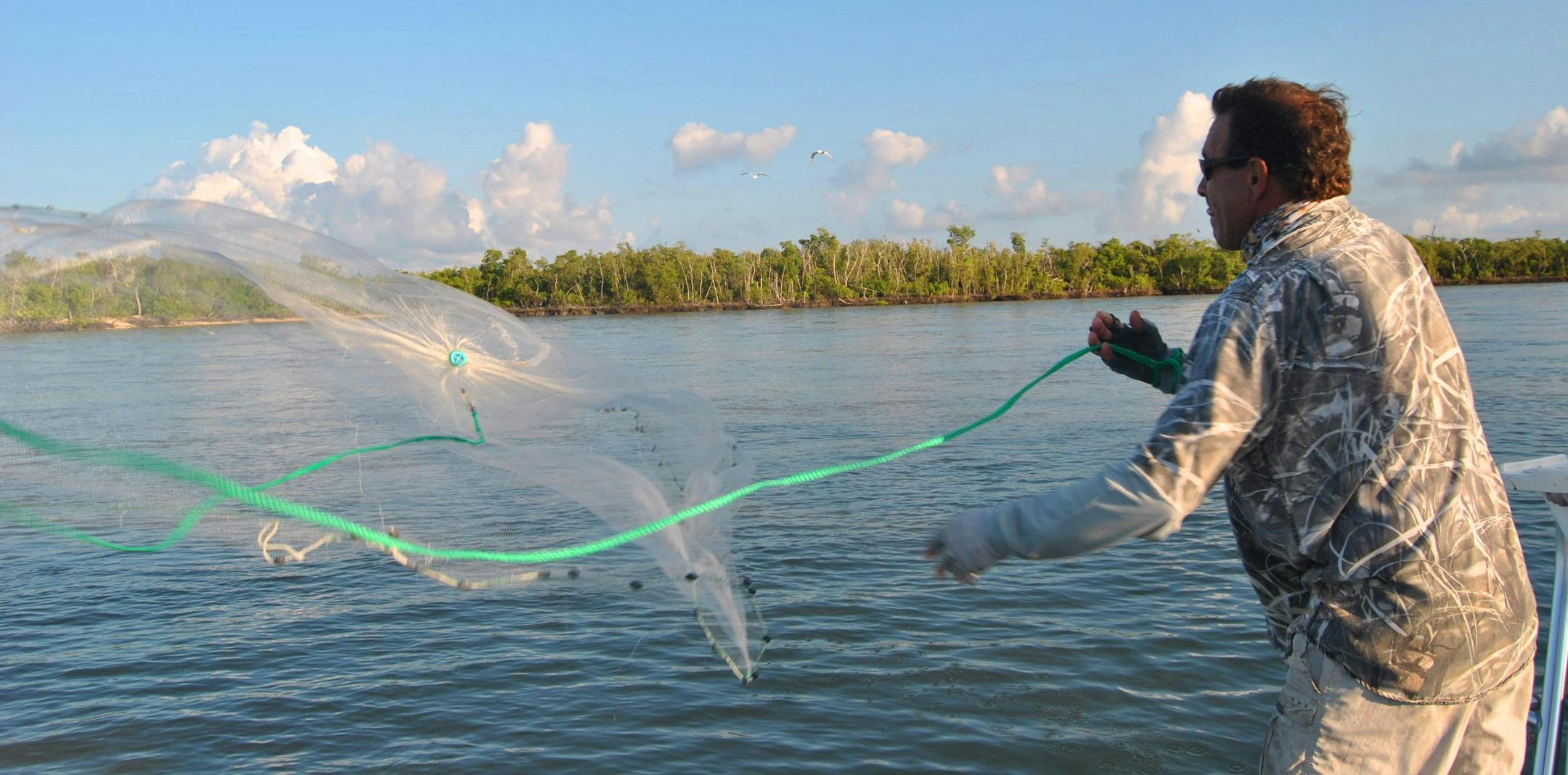
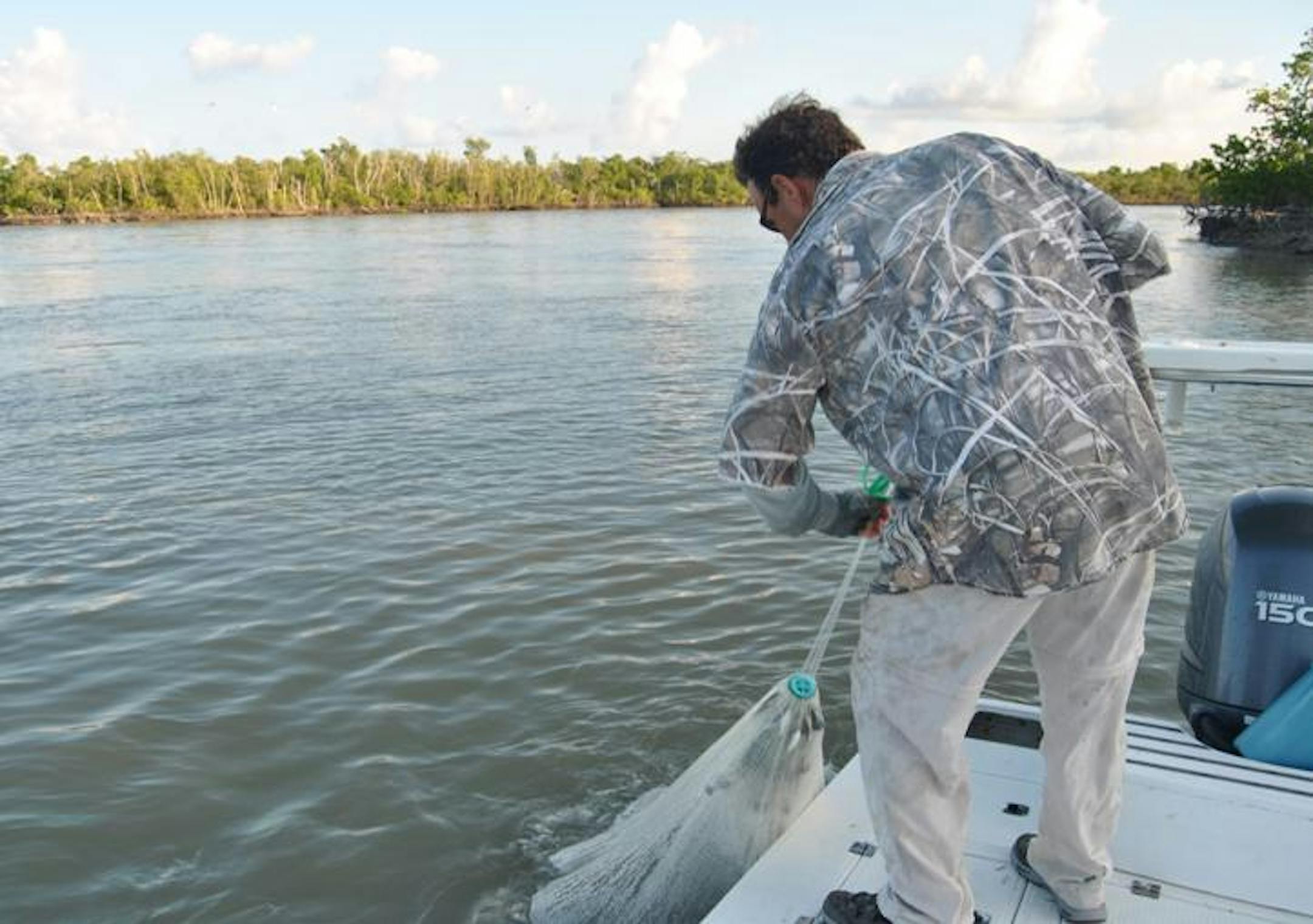
We are lucky on this October morning. Calm wind makes it possible to run some 30 miles in Willcox's 18-foot Action Craft boat to leave behind the Atlantic Ocean, cut through the Gulf of Mexico and sneak up into the bowels of the Everglades. At full throttle, Willcox's 150-horsepower Yamaha propels his boat on plane so he can fly through water just 12 inches deep. Nonetheless, it is critical that we pay attention to the tide or we will get trapped up in a narrow channel that held water when initially motored through but recedes into a mud bank by the end of low tide.
"There's no cell phone reception here," Willcox says. "People get stuck and you're not going anywhere until the next day."