

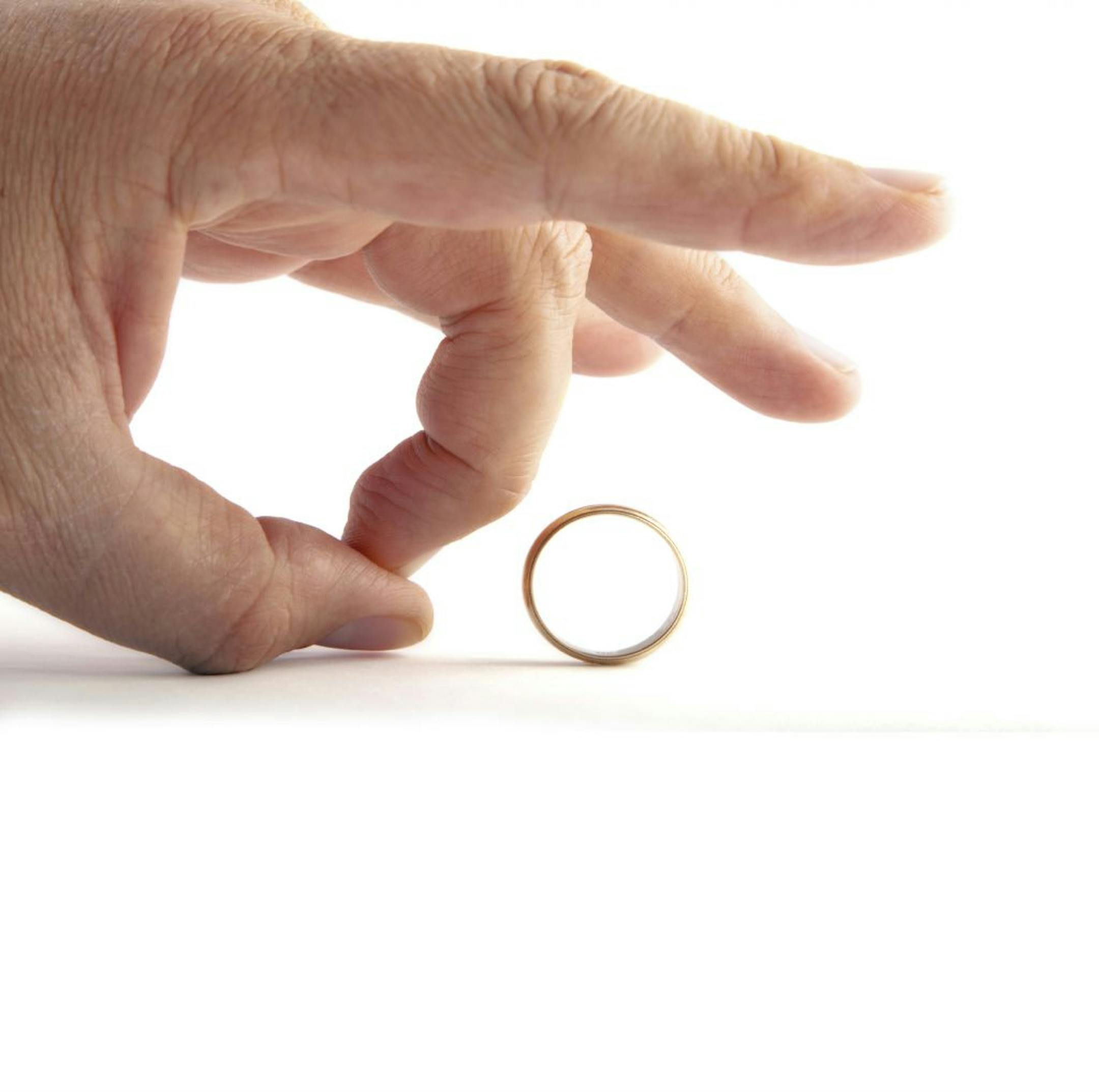
When word arrived recently that Prince William wouldn't be wearing a ring to commemorate his upcoming nuptials, there was a hue and cry across the land. Not across England, but in its former colony.
The folks stoking the all-American brouhaha clearly were not history majors. Otherwise, they'd have known that not only do British men often eschew wedding bands, but that American guys have been ring bearers only for about 70 years. And once married, American men and women often stop wearing rings, sometimes as blithely (and duplicitously) as changing their Facebook relationship status and sometimes for purely practical reasons.
In the millennia-old annals of marriage, though, rings have been a ladies-only proposition. "It's very traditional to have a single ring gift, not a double exchange," said the Rev. Spenser Simrill of St. Mark's Episcopal Cathedral in Minneapolis. "Historically, the woman was the only one who received a ring. Today [a male ring] is the standard, but it can be an elective."
It basically took World War II to kick off the double-ring tradition. According to research by Vicki Howard, author of "Brides Inc.," the number of men who incorporated a ring into their wedding vows increased from 15 percent in the late 1930s to 80 percent in the late '40s as part of "a new cult of marriage."
The shift "was shaped by changing gender ideologies," said Howard, an associate professor of history at Hartwick College in New York. "It symbolized a new form of domestic masculinity, a feeling of shared bonds and togetherness as part of a household unit. Wearing a band to signal that you're married was a symbol of these changing roles."
Business interests played a role, too, Howard said, with the jewelry industry lobbying the War Production Board to get rid of gold rationing and ads morphing from "men socializing with other men at lodges and women with their coffee klatches" to "a soldier's hand with a ring on it, reading a letter from home."
But this was not the marital equivalent of marketing-driven "Hallmark holidays," Howard said. "In the invention of the double-ring ceremony, consumers played a very prominent role."
Pragmatism can be a factor

