

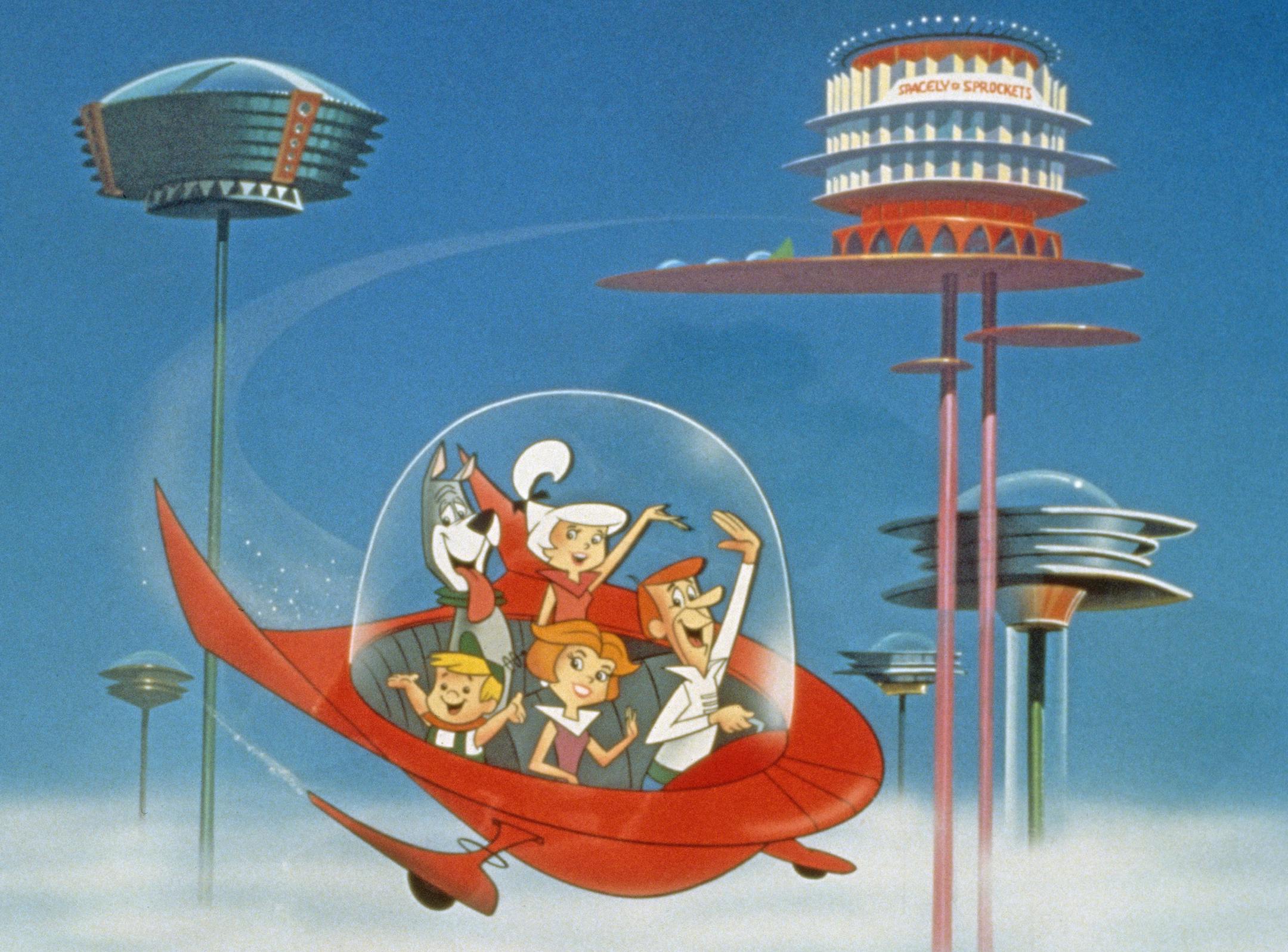
In 1962, the "Jetsons" cartoon first aired, showcasing a family living in the future with helpful access to electronic newspapers, smart watches, drones, video chats, flat-screen TVs, interactive alarm clocks, wise-cracking robot housekeepers, space tourism, pill cameras, flying cars, and other technology that struck many, at the time, as preposterously futuristic.
We now know the rest of the story.
Jetson-like technology is already widely used or soon will be and, to paraphrase some leading technologists — nothing really big has even happened yet. The power of technology is now compounding every 18 to 24 months, and we are merely at the beginning of the beginning.
Think about this for a moment: 10 years ago, iPhones, Facebook, Twitter, YouTube, Wikipedia, Snapchat, Instagram and others apps didn't exist or were in their infancy. Now it's hard to imagine life without them.
Yet, it's not always easy to keep up. Got a new phone? Time to upgrade. Have apps on that phone? Time to upgrade. Want a new car? Time to consider whether owning a car is even necessary. Drivers will soon be optional.
Although unfolding changes will dramatically improve our quality of life in many exciting ways, other aspects of those changes will be highly disruptive. It will become even harder for many to keep up.
For this reason, it's urgent for our education, business, science and government leaders to understand the coming changes and develop plans to use those changes as a force for good for the people, places and causes they serve.
What's driving these changes? The dawn of the "Fourth Industrial Revolution."


