

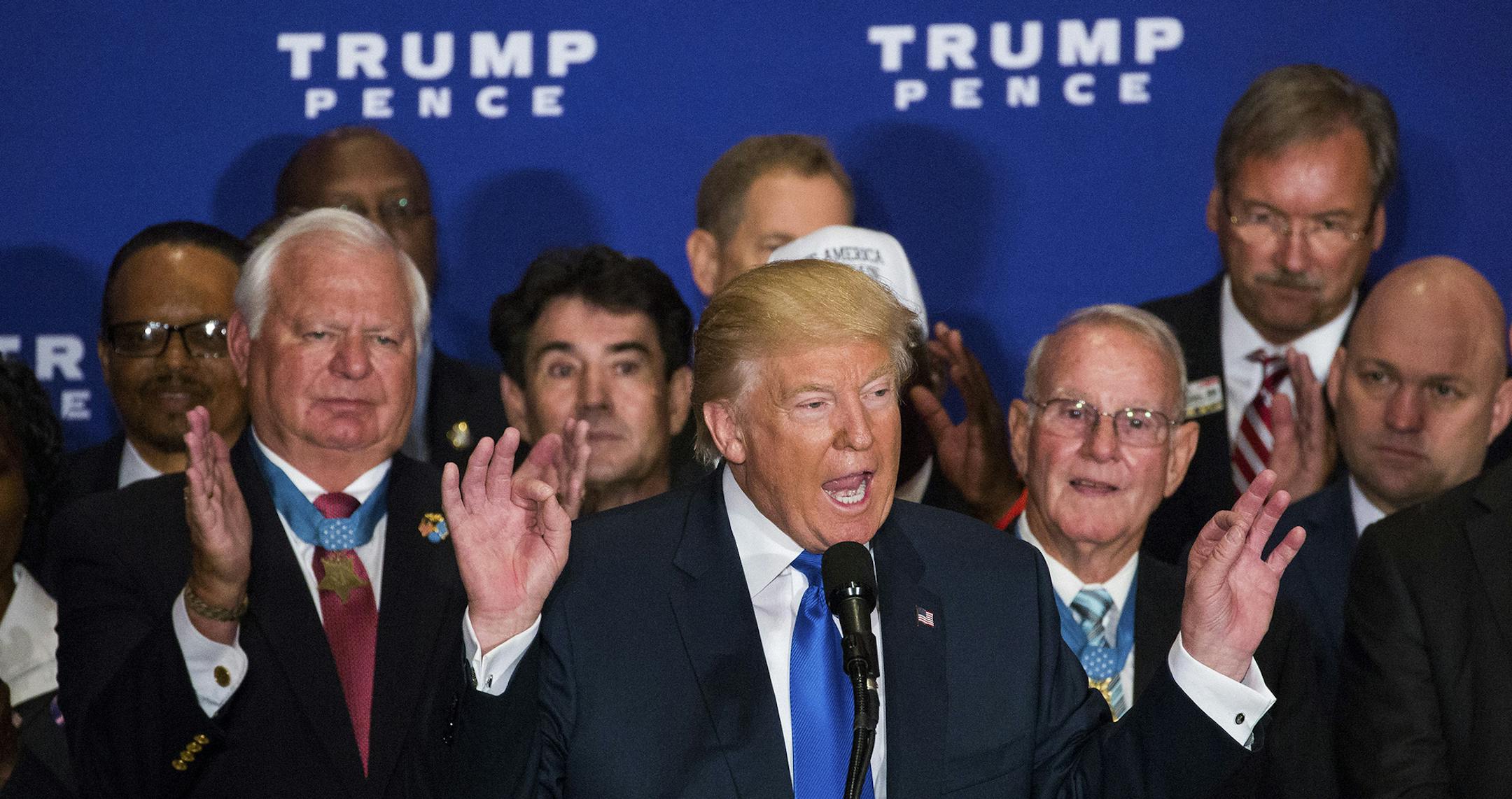
Talk to a supporter of President Donald Trump and, at some point in the conversation, you are likely to hear some version of this riff: "The mainstream media is fake news. They ignore all the good things Trump is doing because they hate him and wanted Hillary to win. That's why they spend so much time on this ridiculous Russia story and not enough time investigating whether Trump Tower was actually wire-tapped!"
Talk to an opponent of President Trump and, at some point in the conversation, you are likely to hear some version of this riff: "Russia has something on Trump. Michael Flynn, Jeff Sessions, Paul Manafort and the president's own unwillingness to badmouth Vladimir Putin and Russia all make clear that he is being secretly controlled by a foreign power. He needs to be impeached!"
We live in "X-Files' time now; conspiracy theories aren't dismissed, instead they are taking as something close to fact. "Prove that the conspiracy theory is wrong!" is now our default position as a society.
Conspiracy theories have always been with us — there was a second shooter in the JFK assassination, 9/11 was an inside job — but have almost always existed on the fringes of political dialogue. Not anymore. We are all conspiracy theorists.
Here's what Paul Musgrave, an assistant professor at the University of Massachusetts Amherst, wrote in a piece for The Washington Post website:
"Less than two months into the administration, the danger is no longer that Trump will make conspiracy thinking mainstream. That has already come to pass. Conspiracy theories, rumor and outright lies now drive the news cycle, as the weekend demonstrated once again. (Earlier examples included Trump's false claim about widespread voter fraud and his misrepresentations about a Navy SEAL raid in Yemen.) Far worse, such untruths may now be driving government policy in realms as disparate as immigration policy and civil rights. In the long term, the damage done to trust by the normalization of untruth may threaten the social contract on which democracy itself rests."
It's important to remember how closely Trump's roots in politics are tied to his willingness to embrace conspiracy theories. His candidacy was made possible by his embrace of the disproven idea that former President Barack Obama wasn't born in the United States. During the course of the 2016 campaign, he regularly brought conspiracy theories to the center of the conversation. He sat down with noted conspiracy theorist Alex Jones and promised he would do so more as president (he hasn't — yet). He suggested that Ted Cruz's father was part of the plot to assassinate John Kennedy.
That conspiracy flirtation has continued as president — with the wire-tapping tweets as the most prominent example. Trump seems entirely comfortable taking a conspiracy theory and, with scant evidence it is anything more than that, push it into the mainstream. Trump's assertion that he had evidence to prove the claims made by conservative talk show host Mark Levin and championed by Breitbart News turned out to not be true — or at least not true yet. And, the Trump White House is now trying to claim victory and move on, insisting that Trump's only goal was to get congressional committees to look into the allegations in search of evidence — evidence he insisted he already had.


