

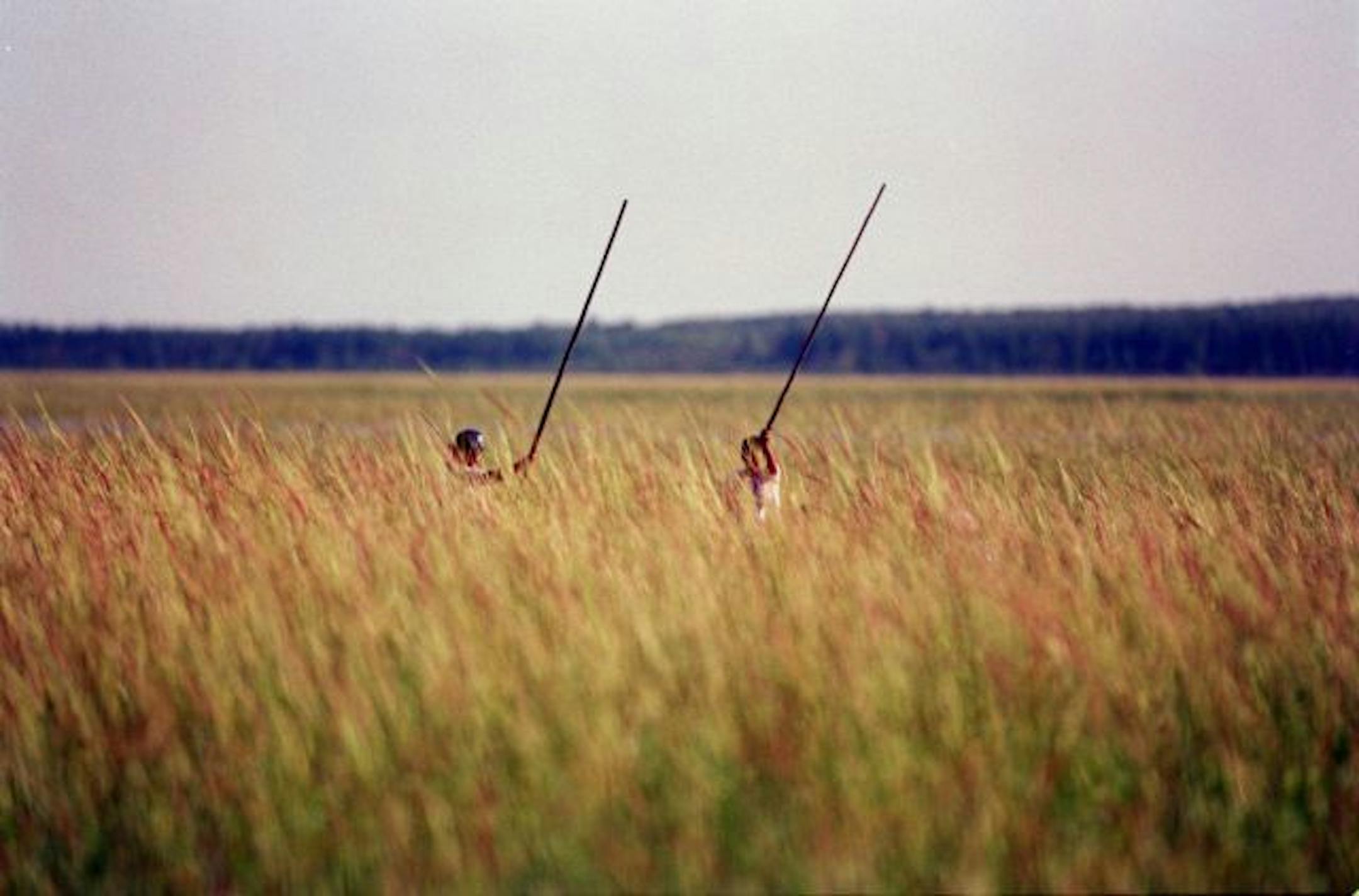
A bill that would water down Minnesota's wild rice pollution rules passed the House and Senate last week in a vote that reflects a fundamental shift in environmental philosophy at a Legislature now controlled by Republicans.
The zeal to change the wild rice water quality standard is driven in part by the allure of a resurgence of Minnesota's mining industry on the Iron Range. Supporters say the current standard imposes a heavy burden on business, and they are unwilling to wait for ongoing research to provide better guidance.
"It does not make sense for major expenditures of capital to be made to comply with a standard that we know is subject to change in the near term," said Mike Robertson, an environmental consultant for the Minnesota Chamber of Commerce.
But environmentalists charge that the bill, which dictates a fivefold increase in sulfate limits for wild rice, is just one example of a Republican preference for business interests over both clean water and environmental science.
Last week the Legislature also approved language that establishes a two-year freeze on the development of new state water pollution standards, loosens restrictions on algae-producing phosphorus in Lake Pepin and halts a multiyear project to devise uniform management rules along an important stretch of the Mississippi River between Dayton, Minn., and Hastings.
"We've never seen this kind of multipronged assault on our water protections," said Steve Morse, executive director of the Minnesota Environmental Partnership, an umbrella group for about 80 environmental nonprofits.
Those provisions come on top of a plan to cut state spending on environmental and natural resources by $40 million over the next two years.
Sen. Bill Ingebrigtsen, R-Alexandria, said the spending cuts reflect tough choices and the need to set priorities while ensuring the overall health of the state's natural resources.


