

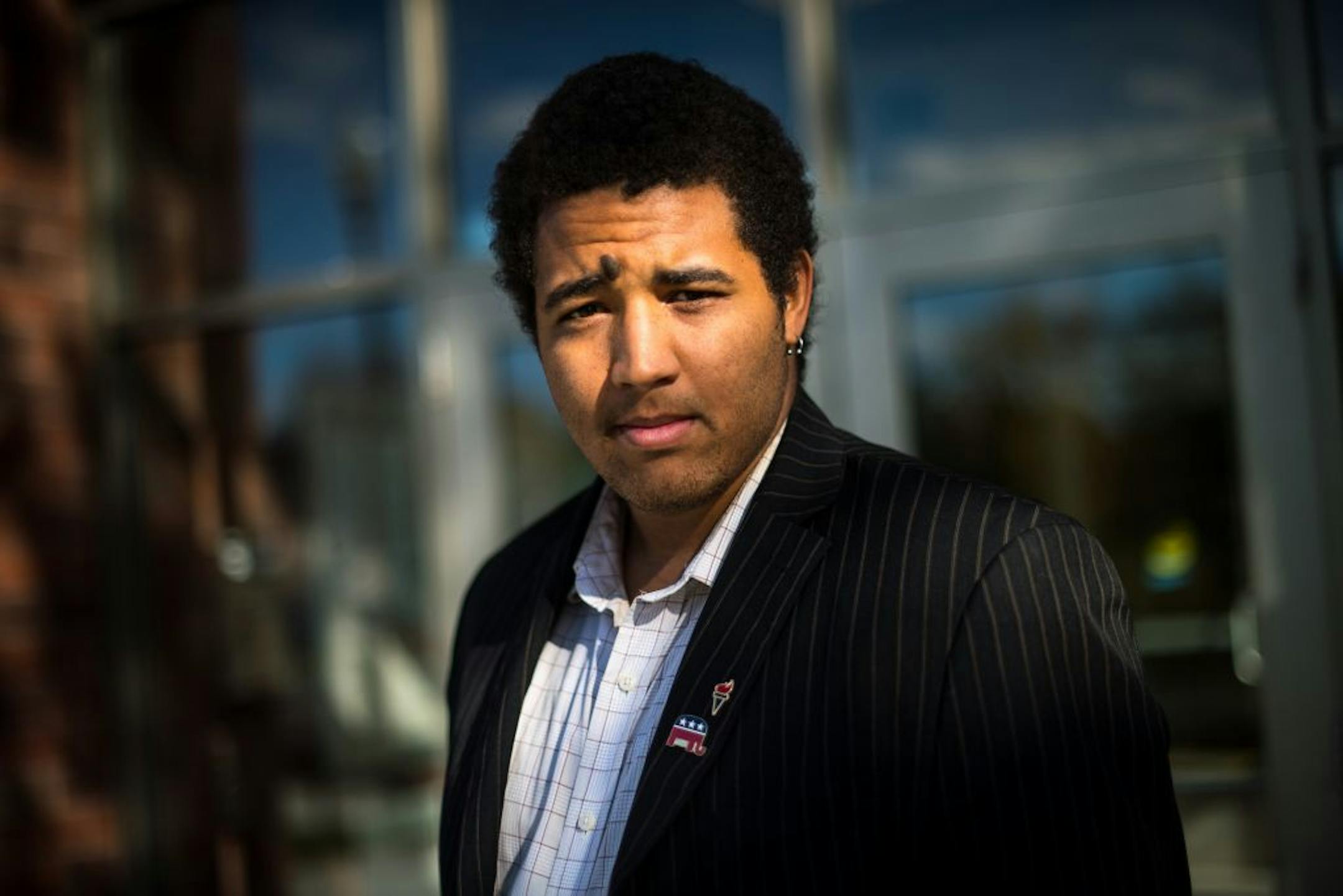
Noah McCourt isn't a typical City Council candidate in Waconia, a scenic, mostly white exurban community tucked into Carver County. He's black, 22 years old and autistic.
He also has mental health problems and until last month, his father was his legal guardian.
McCourt's ability to hold elected office has been questioned by his opponent, the incumbent, and also by the mayor of Waconia and the local newspaper because of his history of guardianship and a run-in with police last year.
"The more I've gotten to know about Noah, the more disappointed I am in his candidacy, to be honest," said Jim Sanborn, Waconia's mayor. "He seems like a troubled young man."
But McCourt's supporters say he's passionate and knowledgeable, and his challenges make him especially qualified to address issues such as affordable housing and social services. Advocates say McCourt also is paving the way for a generation of leaders with developmental disabilities who will bring a new kind of diversity to public office.
"I think we are on the edge of a great wave of young adults with an autism or Asperger's [syndrome] diagnosis entering the public eye, going to college and into the workforce," said Jonah Weinberg, executive director of the Autism Society of Minnesota. "Somebody who has … learned to maneuver the social society we've created despite an autism diagnosis — they've developed a real skill set."
Guardianships are common for young autistic adults because they may take longer to develop certain life skills, said Jason Schellack, director of the Autism Advocacy and Law Center in Minneapolis. But once they mature, he said, they can be restored to competency under the law. Though Schellack doesn't know McCourt, he called his candidacy "more of an inspiration" than a problem.
McCourt's parents still have power of attorney to conduct his financial affairs and are authorized to make decisions about his health care if he cannot do so. Neither gives them much control over his life, McCourt said, unless he's physically or mentally incapacitated.


