

Two previous presidents over the last half-century faced accusations of wrongdoing that reached the shameful level of an impeachment inquiry. So, yes, the United States has been down this road before, which means Americans can anticipate some of the drama and discord to come from impeachment inquiry No. 3.
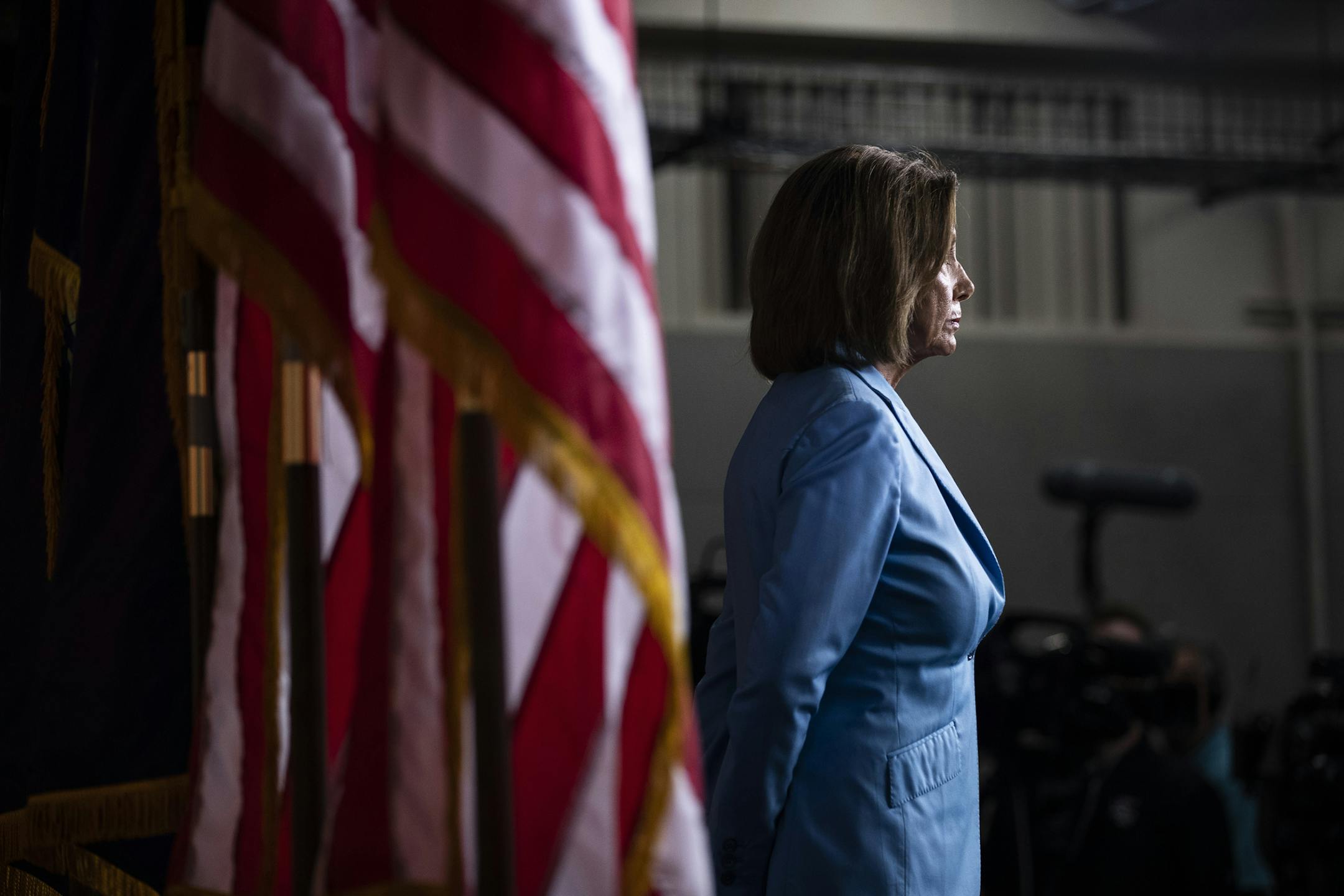
In 1974, Richard Nixon resigned from office to avoid impeachment. In 1998, Bill Clinton was impeached but acquitted by the Senate. Here, House Speaker Nancy Pelosi is leading revved-up Democrats in an impeachment inquiry of President Donald Trump for pressing Ukraine's leader to investigate former Vice President Joe Biden and his son Hunter.
Three of nine recent presidents targeted for impeachment is not a pretty record. It brings to mind Illinois' dubious achievement of seeing four of the state's last 11 governors imprisoned for federal crimes. Different contexts and legal standards, to be sure, but for a president to answer allegations of violating the Constitution — committing "high crimes and misdemeanors" — is a breathtaking situation.
Looking back at Clinton's impeachment, one October date early in the process stands out because of what the Republican-led House did and how two powerful members framed their solemn responsibilities. On Oct. 8, 1998, the full House voted to conduct an impeachment inquiry. "All of us are pulled in many directions," Henry Hyde, the Republican from Illinois who was chair of the Judiciary Committee, said, imploring members to listen to the "still, small voice that whispers in our ear — duty, duty, duty." Hyde continued: "It's an onerous, miserable, rotten duty, but we have to do it." Hyde voted in favor of the inquiry.
House Minority Leader Richard Gephardt, a Missouri Democrat, struck a similar tone, the Tribune reported. "This is a time to be bigger than we really are," he said. "We are all human, we all make mistakes, we all give in to pettiness and pride, and we all give in to doing things wrong for the wrong reasons. But this is a time when our Constitution and our people ask each of us to reach inside of ourselves and to be bigger and better than we really are." Gephardt voted against.
Clinton faced impeachment — in the wake of independent counsel Kenneth Starr's report — for lying and obstruction of justice. The president had tried to cover up his abusive, inappropriate relationship with White Houses intern Monica Lewinsky. That September, the Tribune Editorial Board said Clinton's "pathetic" behavior destroyed his credibility and urged him to resign. However, the Tribune opposed impeachment, saying Clinton's actions "did not constitute a pattern of behavior that threatened the constitutional order."
The point of looking back at Clinton's impeachment inquiry is to recognize that as Americans were rendering their own judgments on the president, the House voted 258-176 to proceed with a Judiciary Committee inquiry. Republicans said Clinton undermined justice. Democrats said it was time to move on from his personal betrayals.
Similarly, in 1974, the House voted, 410-4, to have Judiciary launch a Nixon impeachment inquiry.


