Two intricate new video installations by British artist Elizabeth Price have arrived at Walker Art Center, but if you aren't paying attention you won't find them.
To get to Price's show, go through a darkened gallery where a series of moving-image works are playing, or enter at the end of the "I Am You, You Are Too" exhibition. Once inside the Perlman Gallery, take a seat on one of the uncomfortable benches arranged in a cluster in the middle of the room, and prepare to watch videos. It's so dark that you'll forget about the sun.
Both videos were commissioned by the Walker, the first U.S. museum to do so for Price. "Felt Tip" and "Kohl" interweave two obscure subjects: the nature of gendered relations in a fictional postindustrial workplace, and abandoned coal mines in the United Kingdom that are dangerously accumulating groundwater.
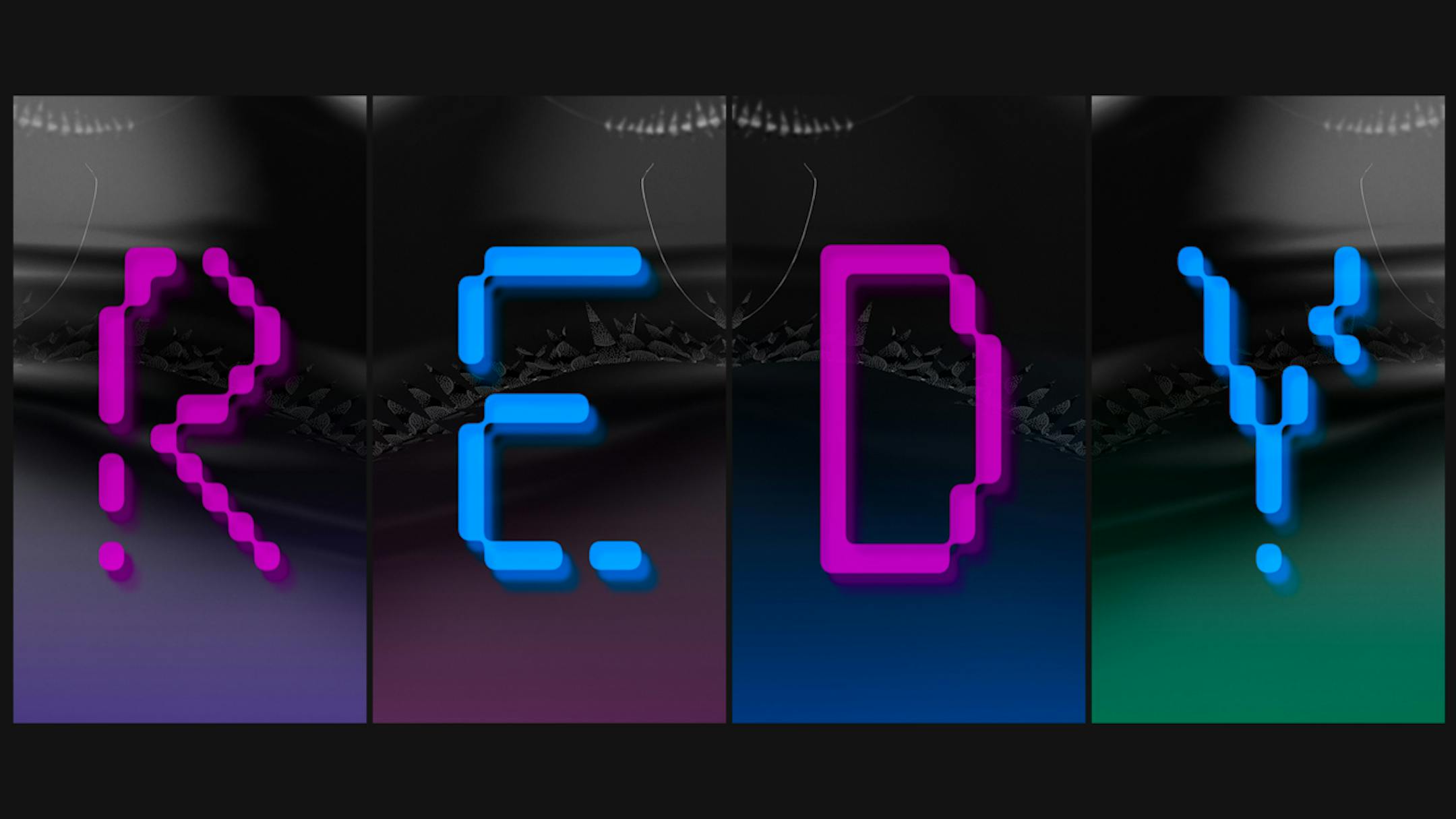
That's it. The entire exhibition comprises these two videos, projected onto two huge sets of monitors. "Felt Tip" is projected vertically, with two monitors stacked sideways, towering above the viewer at over 15 feet tall. "Kohl" is arranged horizontally across four screens.
Though the subject matter seems to not overlap, visually the two videos trade off back and forth, like a slow game of catch.
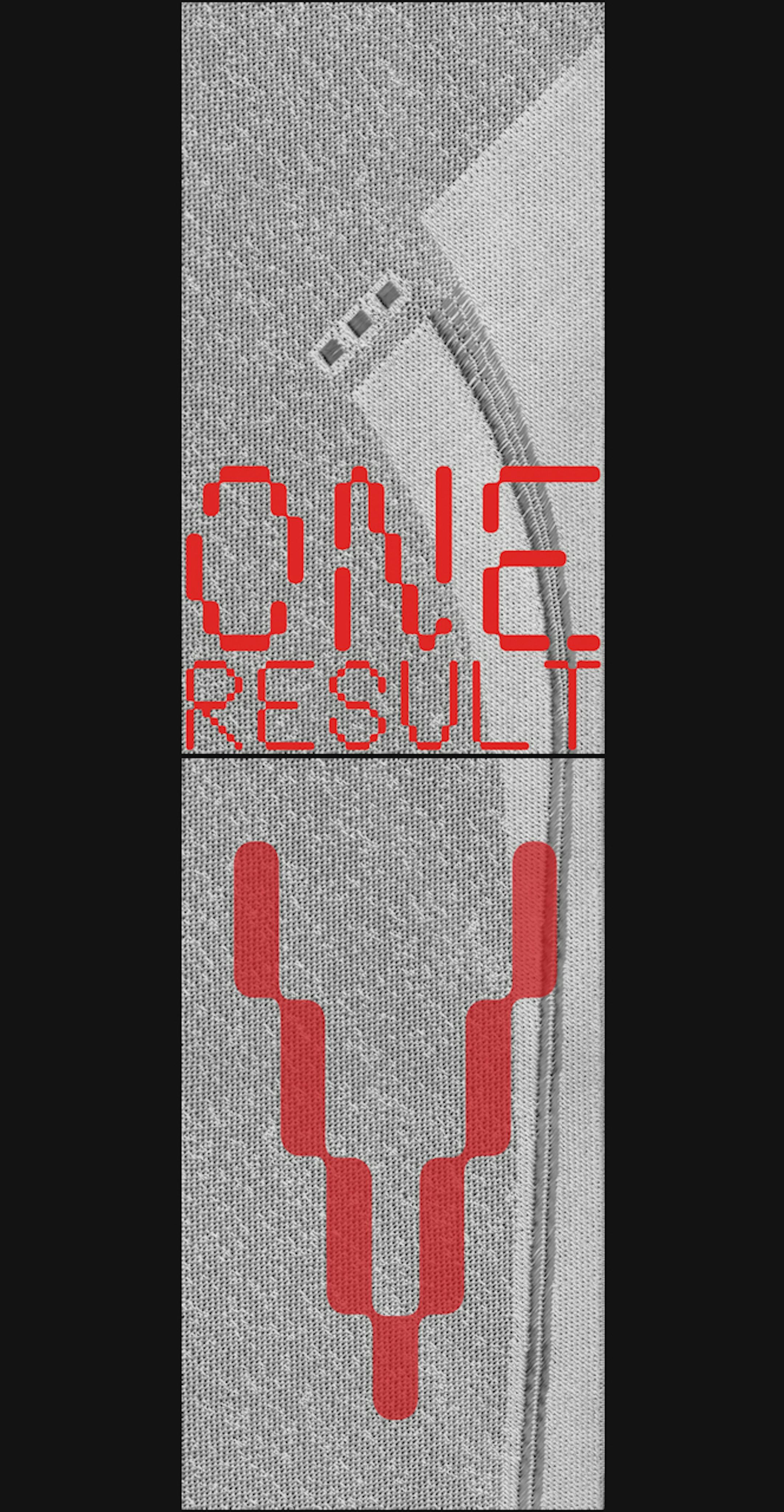
"Felt Tip" begins with a low-angle shot of a desk, all in black-and-white. A purple felt tip pen is being dropped into a glass cup. A series of robotic women's voices and a progression of electronic music tones narrate the story of this otherworldly workplace. A chunky font, reminiscent of early internet aesthetics like Prodigy or dial-up internet, pops up on the screen to tell the story.
The voices announce that they are the "Administrative Core, employed to facilitate all proper movement and operations." As the narration continues, viewers are presented with more loaded symbols: ties (and intense close-ups of them), the back of a soft drive, the movement of signals on a motherboard or network (think "The Matrix"!), and high heels on the feet of hairy legs. Throughout the video, we hear the click-clicking of a computer mouse. At some point, I felt like I was watching a remix of a Depeche Mode music video, or some sort of blast from the '80s past.
In "Kohl," Price dug into the archives of the UK's National Coal Mining Museum, where she found photographs of mines from the late-1970s to the mid-'90s. She takes these ghostlike structures and layers them, upside down, onto each of the four screens, tinted purple, pink, blue and green respectively. The story here is what happens to coal mines when they are no longer used: They flood, with water moving through the tunnels deep below the Earth's surface.