

In recent weeks, we've witnessed two high-profile collisions between the food service industry and an unwelcome potential patron. In the first, Cracker Barrel — the Tennessee-based chain best known for its simpler-times decor and crowd-pleasing portions — came out with a forceful statement barring Grayson Fritts, the sheriff's detective-cum-Baptist preacher who advocated the arrest and execution of LGBTQ people, from holding an event at one of its restaurants in Cleveland, Tenn.
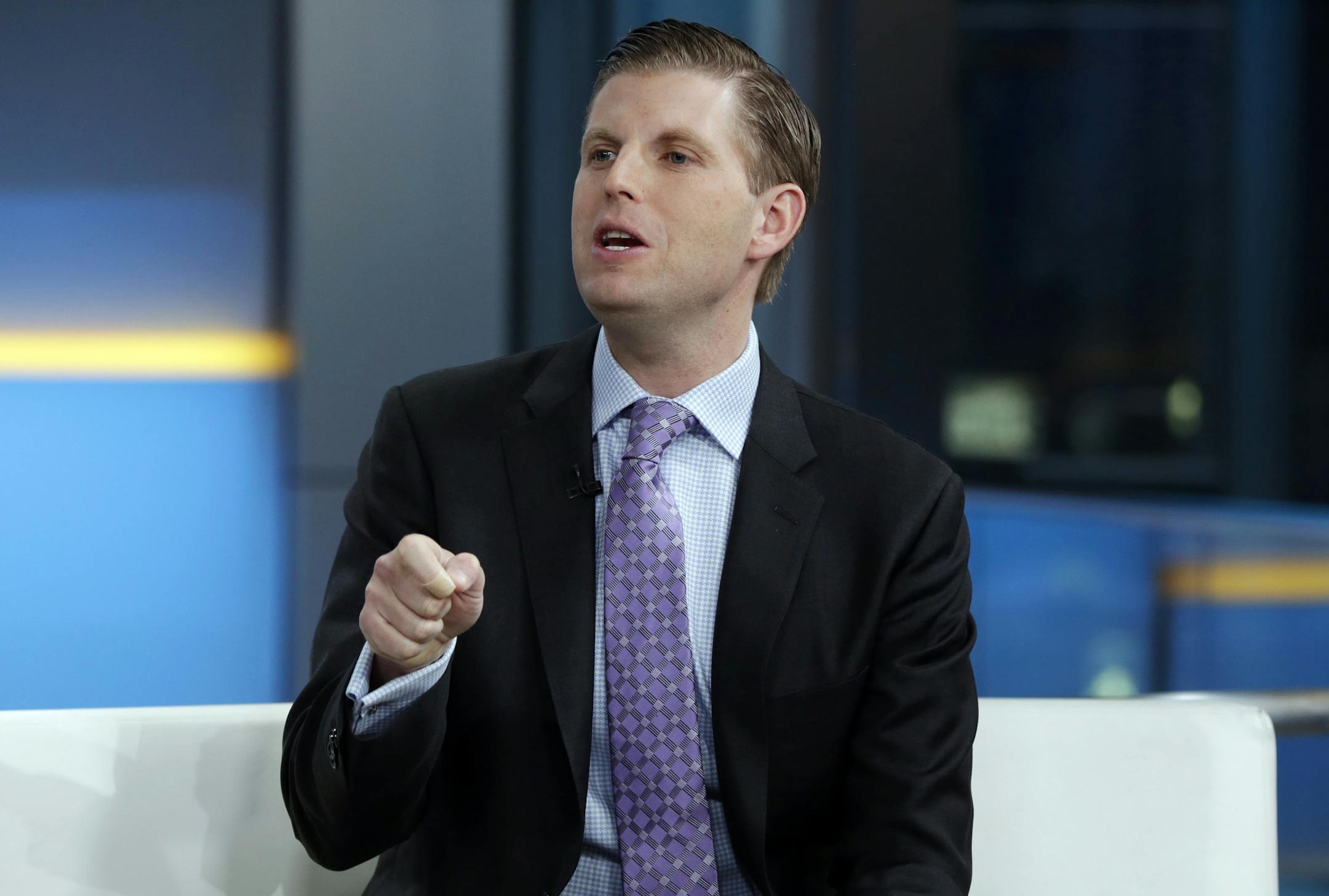
In the second instance, a server at Aviary, an upscale Chicago cocktail bar, was briefly detained by the Secret Service after allegedly spitting in the face of Eric Trump while the president's son was visiting the city on business.
Happily, there was more widespread support for Cracker Barrel than for the spitting server. A hatemonger with murderous intent doesn't deserve anyone's hospitality. But no one in the industry condones the physical assault of a patron.
Yet, in whatever way we regard these events, the fact remains that restaurants are now part of the soundstage for our ongoing national spectacle. Whether the bar or restaurant serves merely as the backdrop, as in the cases last year of Kirstjen Nielsen, Stephen Miller and Mitch McConnell, or takes an active role in the drama, as was the case with Cracker Barrel, Aviary or my own restaurant last June, the business involved inevitably comes under attack. A portion of the public will scold owners and managers about "staying in their lane" and express chagrin at the loss of a perceived "politics-free zone."
The comments tend to fall into one of two camps: either that it's illegal to discriminate against a person for his or her political stance or that it violates some imaginary unwritten universal service-for-all hospitality industry code.
Neither is quite right. Eateries have always reserved the right to refuse service. But in the main, the real hospitality code comes down to a simple if paradoxical statement: All are welcome. Terms and conditions apply.
Thankfully, as a culture and by law, the U.S. continues to move toward increasing inclusivity in communal spaces. No one can deny you service because of your race, religion or national origin. (And in some places, sexual orientation, physical ability and age are also protected classes, while in the District of Columbia, Seattle and a few other locales, it is illegal to refuse service based on a guest's political affiliation or views.) At the same time, if you're an unsavory individual — of whatever persuasion or affiliation — we have no legal or moral obligation to do business with you. And that, too, is right.
Because — and this is important and easily overlooked — at bottom this isn't about politics. It's about values, and accountability to values, in business. On a variety of levels, pressure is increasing on companies to articulate and stand by a code. Customers are demonstrating that they want to patronize companies that share their values. Our workforce also increasingly demands that employers establish a set of ethical standards. The once-ubiquitous idea that companies exist purely and solely to provide profit to shareholders is withering away like corn husks in the summer sun.


