

WASHINGTON — The U.S. government on Friday urged Bangladesh to take measures to protect workers' rights and improve factory conditions if it wants to have trade benefits restored.
The Obama administration suspended Bangladesh's preferential trade arrangements on June 27 to press the country to address worker safety.
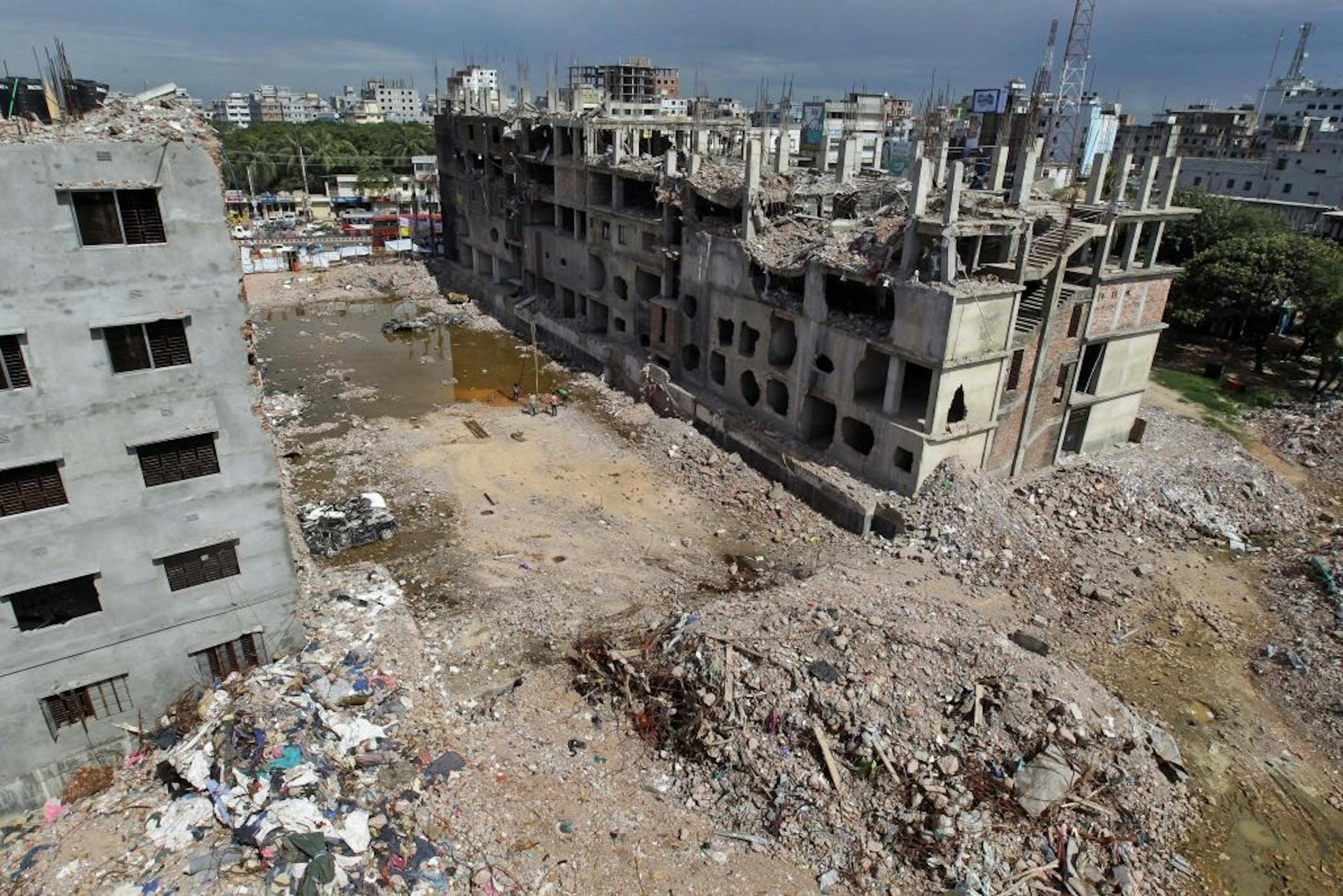
A building collapse in April killed 1,127 workers in what was the deadliest incident in the history of the global garment industry. The collapse came just months after 112 Bangladesh workers died in a garment factory fire.
At the time of the suspension, the Obama administration provided Bangladeshi officials with an action plan that, if implemented, could be the basis for Obama to reinstate the trade preferences. On Friday, the administration made the action plan public to reinforce all international efforts to improve worker rights and safety in Bangladesh.
The plan calls for increasing the number of labor, fire and building inspectors and modifying labor laws related to collective bargaining and discrimination against union members. The more than a dozen measures in the plan include setting up a hotline for workers to anonymously report fire and building hazards and violations of worker rights, and regulations to prohibit workers from being blacklisted for labor activities.


