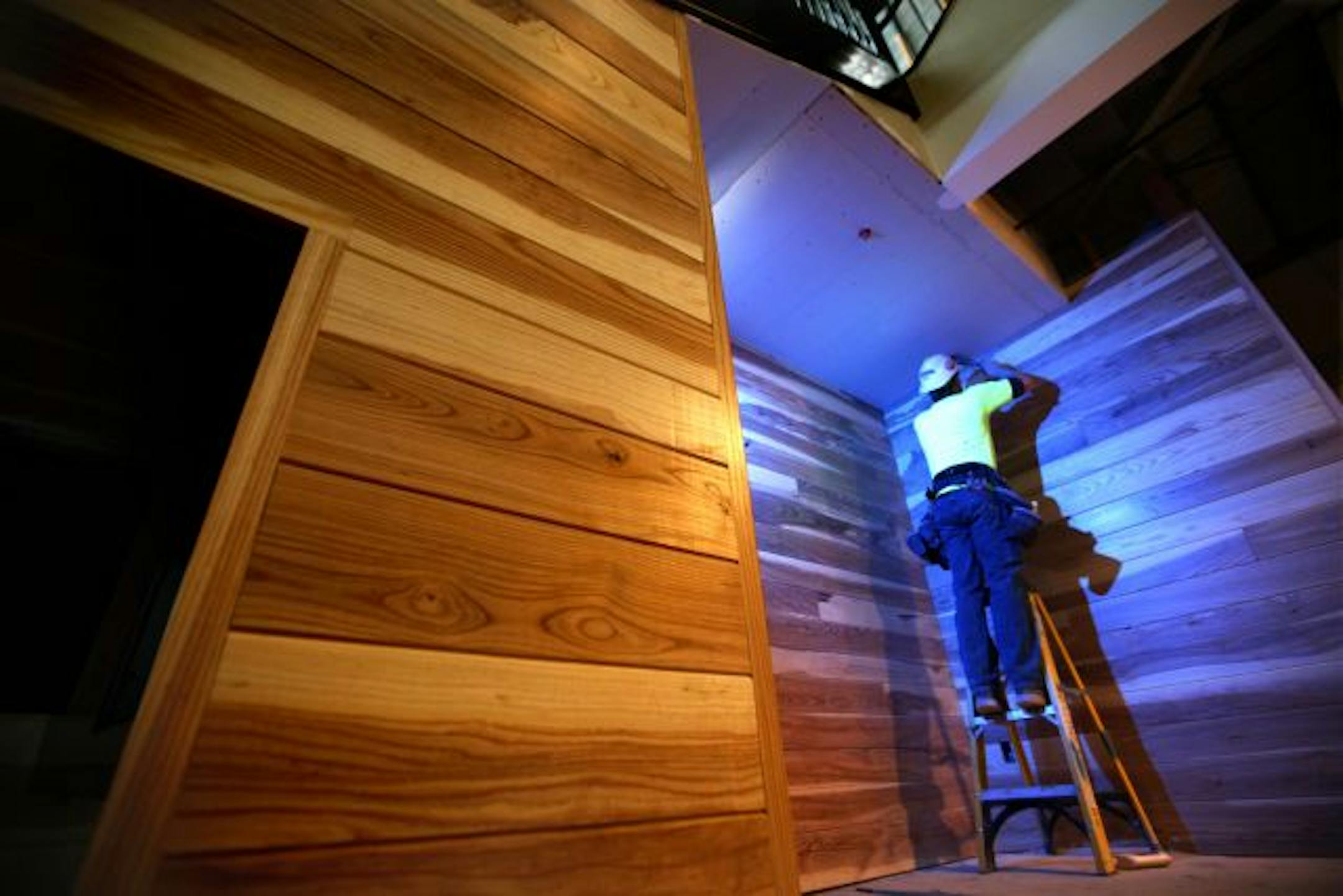
For the finishing touches on the new Eagan Fire Safety Center, city officials chose a silver lining.
Paneling and flooring in the $8 million combination fire station, administrative center and museum are coming from ash trees cut down from city boulevards last year as part of an effort to remove trees before the emerald ash borer gets them. That the doomed trees are enduring as richly variegated and durable wood in a showy public space is a bonus for Fire Chief Mike Scott.
"We're really excited," Scott said. "We weren't sure what ash would look like, but it's prettier than I'd thought."
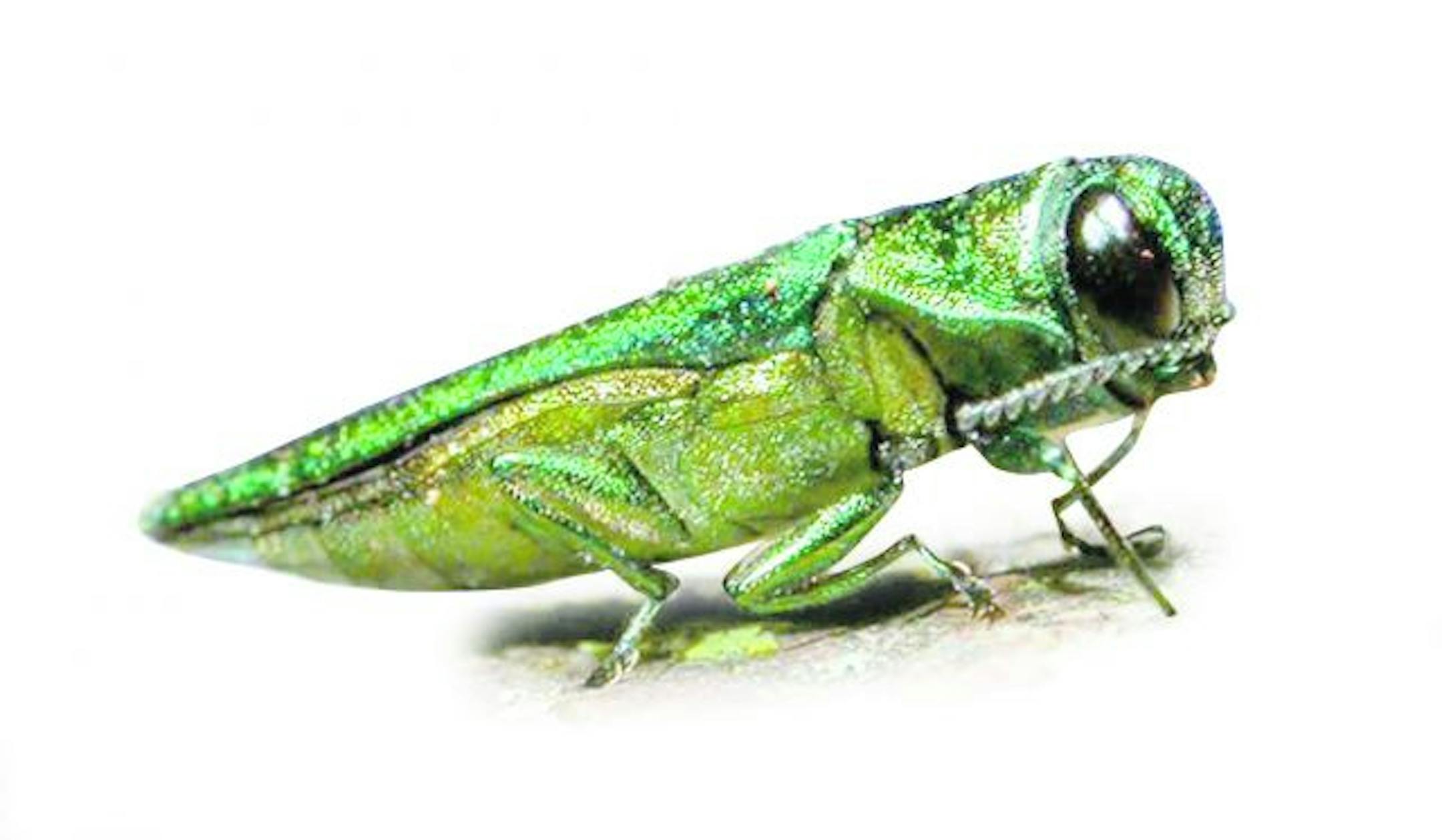
The new fire center will replace two fire stations that are being closed. But it also represents one of the first large solutions to a growing North American puzzle: What to do with all the ash that could be felled either by the emerald ash borer or by foresters trying to spread out the insect's impact?
Since its arrival near Detroit in the 1990s, emerald ash borer has been detected in 13 states and two Canadian provinces and is considered a threat to about 900 million trees in Minnesota, which has the second-greatest concentration of any state.
Effective chemical insecticides are available, but landowners, including public agencies, aren't likely to be able to afford to treat all their ash, many of which were planted a generation ago in response to Dutch elm disease.
An underestimated hardwood
Ash borers will kill any untreated tree in a few years by disrupting its nutrient supply just under the bark. But wood from the rest of the tree can be put to numerous uses. Ash is easy to see swatting baseballs around Major League ballparks (though some bats are maple). An attractive hardwood, it's also used to make furniture, baskets and tool handles.