3:34
3:34Cynthia Kuntz finds comfort in the routine, tending daily to the roadside memorial near the spot where gunfire took her son's life.
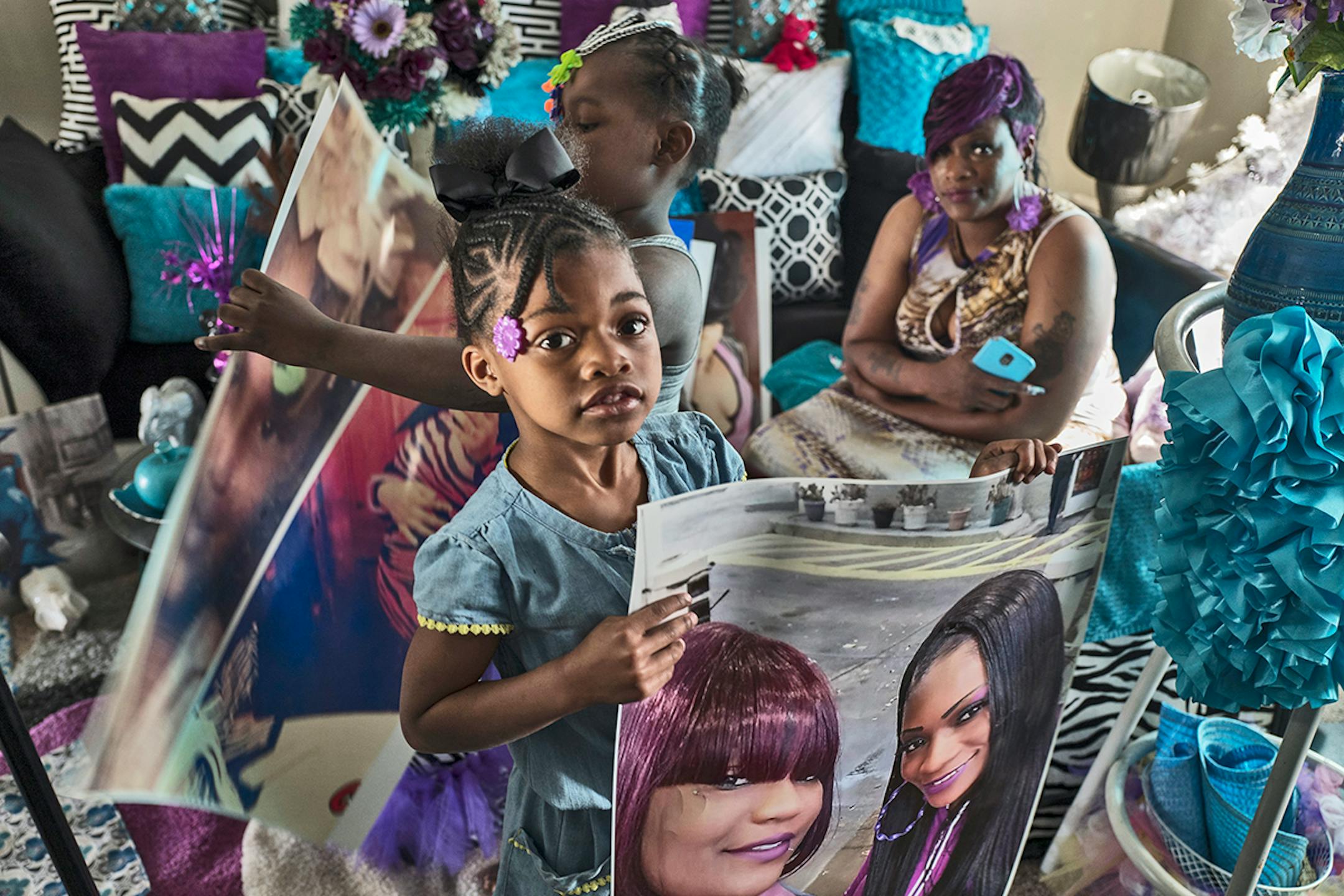
Michelle Pate keeps a blown-up photo of her slain daughter in her living room, a constant reminder of the moments they shared, the trips to the mall and the movies, the barbecues and the birthday parties.
Willie Finley likes to pull out a handmade poster from a fundraiser for his brother, killed nearly 14 years ago in an apparent carjacking gone bad, which he keeps next to his bed. The faded writing promises a cash reward for information leading to his killer.
A common thread links the cases, separated by time, place and personal history: They remain unsolved.
Each year, dozens of men, women and sometimes children across the Twin Cities are killed by another person. Most of those cases are eventually solved, and metro area police can boast of homicide clearance rates that exceed the national average.
But not every homicide leads to an arrest. Over the past eight years, an average of 22 slayings across the state remain unsolved, according to the Minnesota Bureau of Criminal Apprehension. These range from just 13 in 2009 to a high of 35 in 2016. Last year, Minneapolis police closed 20 of their 36 homicide cases.
Left behind are the families of those whose slayings remain unsolved. They form a grim fellowship of every race, religion and socioeconomic status, united by a grief and trauma that few can understand.
"It is the worst pain you could ever have," Kuntz said. "You wake up with it, you have it during the day, and you go to sleep with it. And you wake up the next day, and you have to go through it again."