

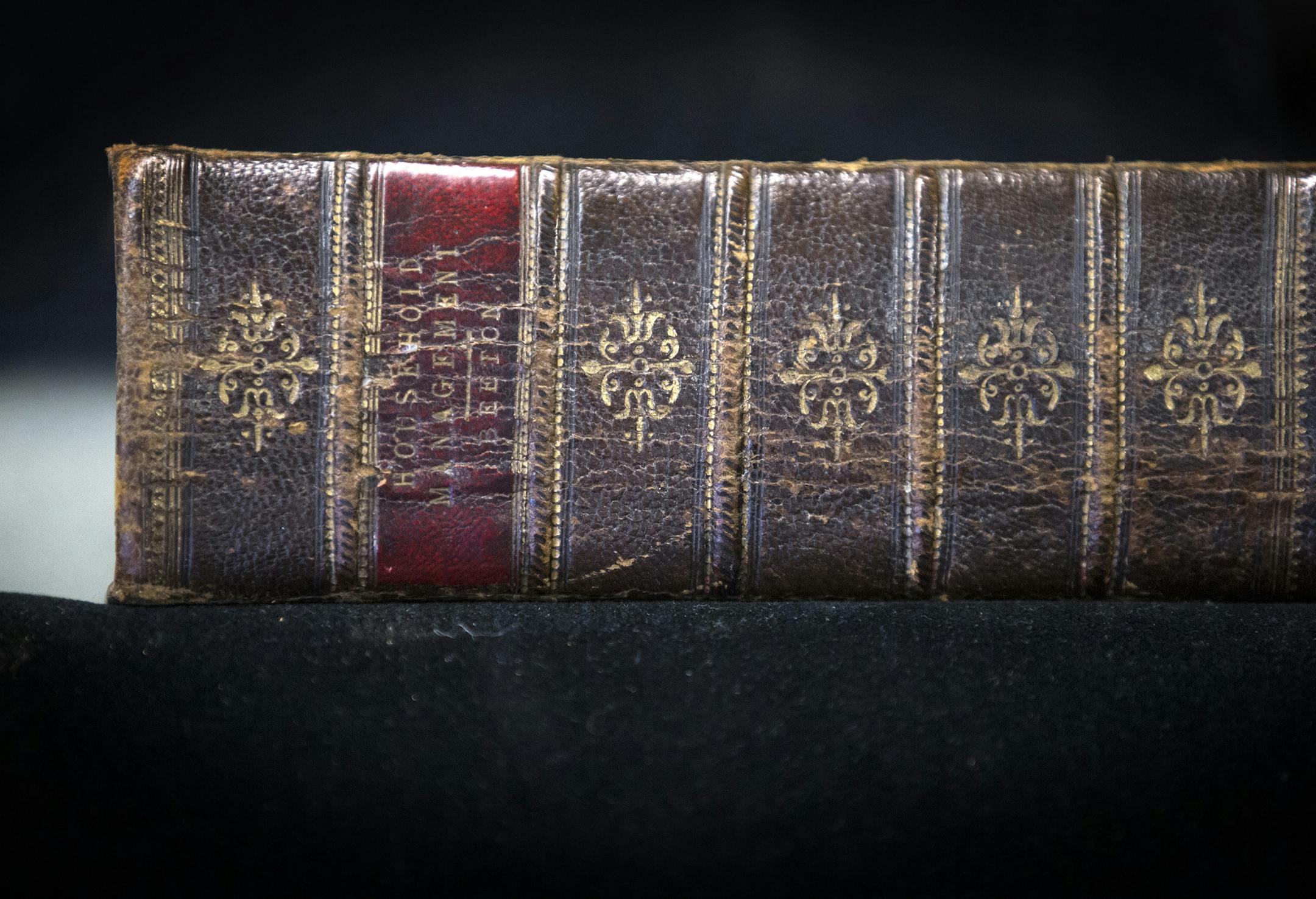
Turns out there really are recipes for disaster.
Not only that, but they were bound in books along with recipes for butter cake, for homemade soap, and for growing a full head of hair.
Such books are part of the Wangensteen Historical Library of Biology and Medicine at the University of Minnesota, a collection of rare books from the mid-1400s through the early 20th century. A typical book held a household's recipes for daily life, so desserts coexisted with dyes — and with disasters, judging from all the recipes for counteracting a mad dog's bite.
"Just because there were lots of mad dog recipes doesn't mean there was lots of rabies, but that people were so worried about it," said Emily Beck, a doctoral candidate in the program in the History of Science, Technology and Medicine. "Same with recipes to fight the plague."
The history of recipes has inspired a collaboration between the library and Gyst Fermentation Bar, a south Minneapolis restaurant that champions fermented products like beer, wine, cheese, chocolate and pickles. Two events in February and March will explore how the use of chocolate evolved, and how and why various foods were fermented. (See event box.)
Recipes provide a sometimes unexpected lens into how communities work over time, said Lois Hendrickson, the library's curator.
Notes about their provenance — say, "Mrs. Patmore's Cake" — reveal who was considered trustworthy.
Ingredients could indicate a cook's economic status. Or not. "We don't know whether some recipes were collected because they were used regularly, or if some were collected on an aspirational basis," Hendrickson said. Not unlike how we assemble Pinterest boards of gourmet recipes today, Beck added.
![Portugal cake made from a recipe found in a recipe book from the 19th century. The book is part of the collection of rare books and journals at the Wangensteen Historical Library of Biology and Medicine on the campus of the University of Minnesota in Minneapolis on Tuesday, January 26, 2016. ] (Leila Navidi/Star Tribune) leila.navidi@startribune.com](https://arc.stimg.co/startribunemedia/IP46AVGM2Z2AN4MSOFWLEQZ3BA.jpg?&w=1080)
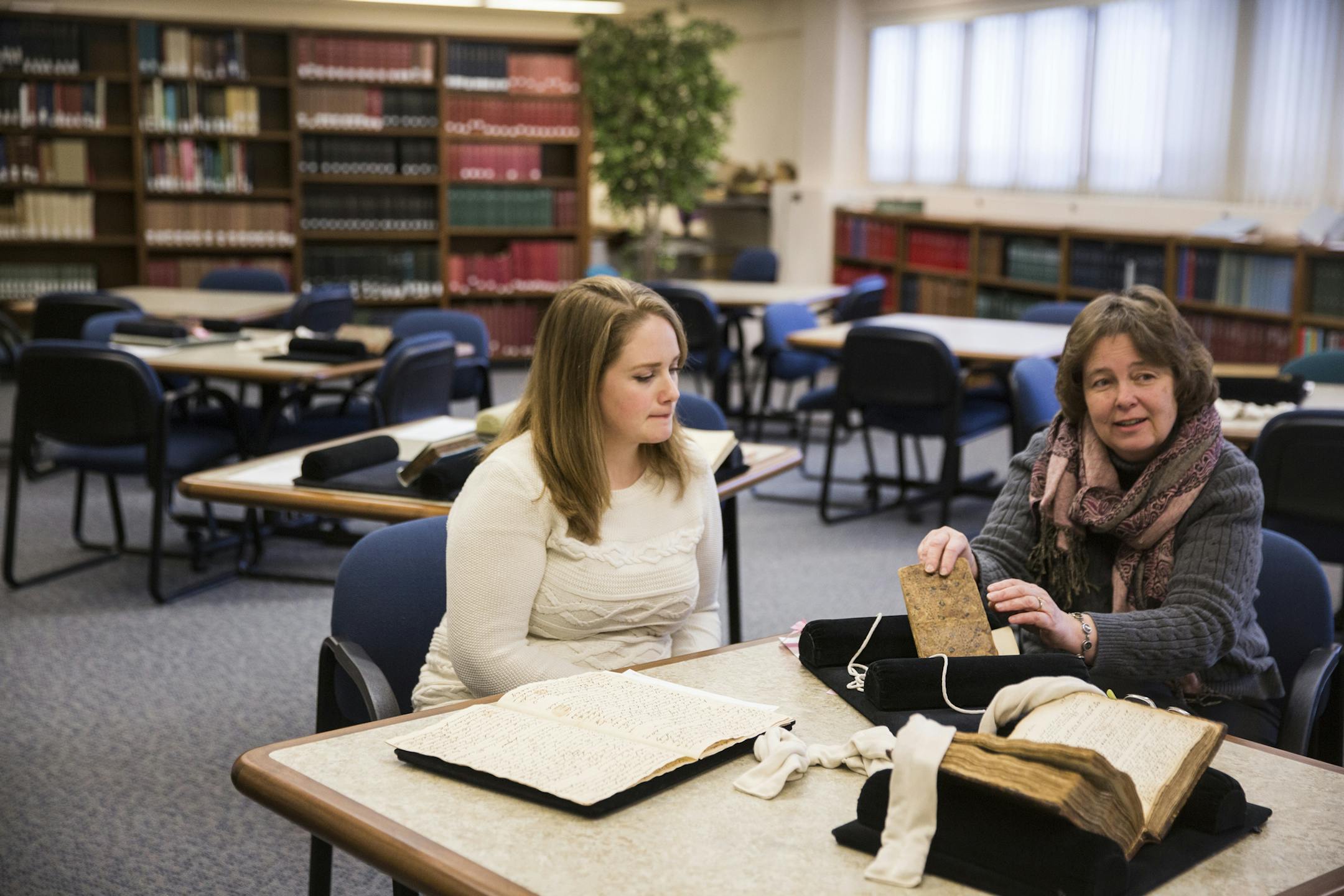
![Portugal cake made from a recipe found in a recipe book from the 19th century. The book is part of the collection of rare books and journals at the Wangensteen Historical Library of Biology and Medicine on the campus of the University of Minnesota in Minneapolis on Tuesday, January 26, 2016. ] (Leila Navidi/Star Tribune) leila.navidi@startribune.com](https://arc.stimg.co/startribunemedia/VUB5JHMW2LVWCY3C7AZ6OOO5ZE.jpg?&w=1080)


