

UnitedHealth Group Inc. has trimmed its plans for selling to the uninsured under President Obama's health care overhaul, in the latest sign large insurers see little gain from quickly plunging into the new market.
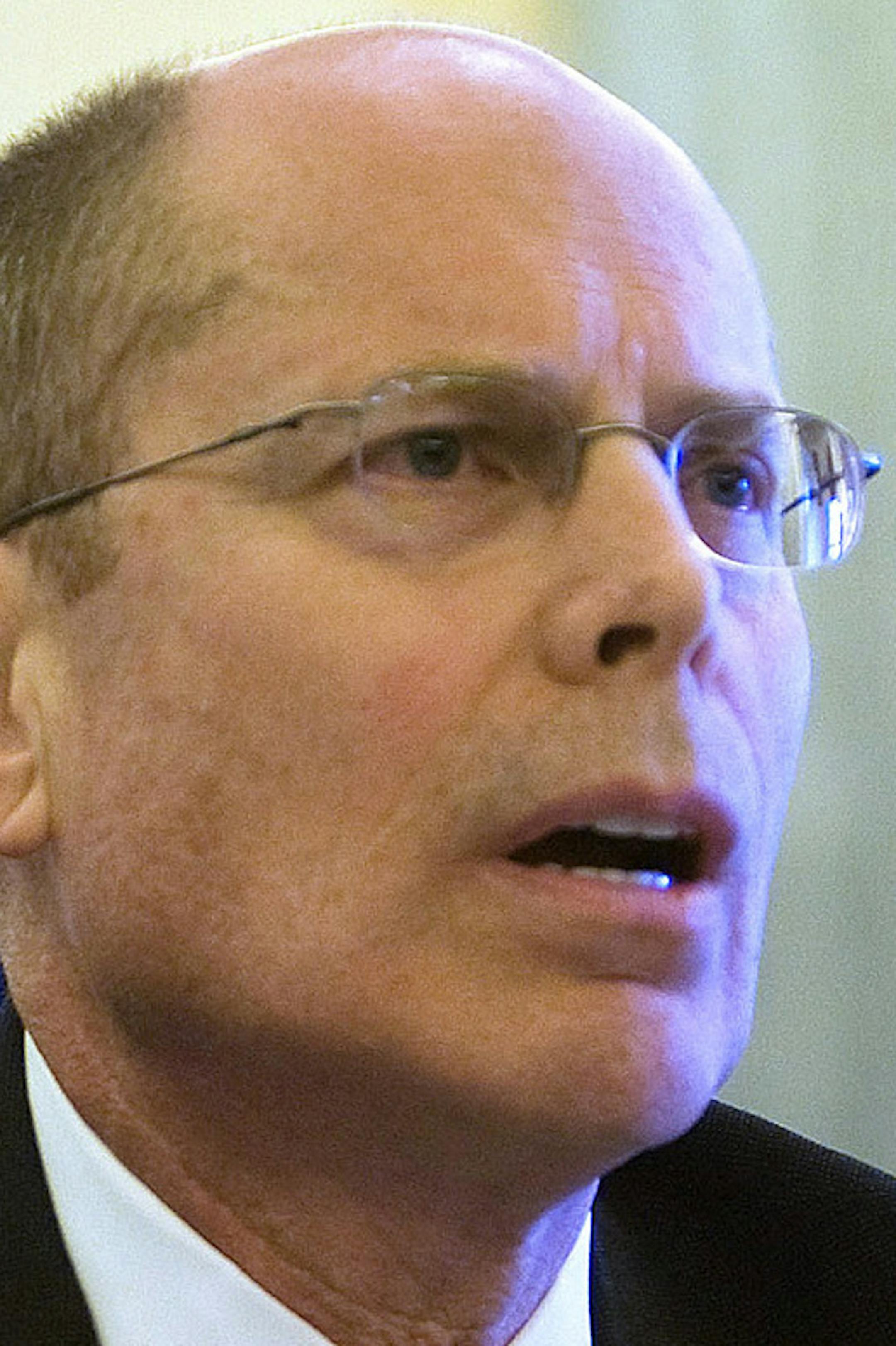
The nation's biggest health insurer will offer plans in about a dozen of the online insurance markets set to open in states on Oct. 1, Chief Executive Stephen Hemsley told investors Thursday at a conference. That's down from an earlier company estimate of as many as two dozen. The decision reflects the insurer's concern that the first wave of newly insured customers may be the costliest, Hemsley said during the Sanford C. Bernstein & Co. conference in New York.
UnitedHealth, which is based in Minnetonka, will "watch and see" how the exchanges evolve, he said, and expects the first people on the new markets will have "a pent-up appetite" for medical care. "We are approaching them with some degree of caution because of that."
The approach offers yet another hurdle for state and U.S. officials working to meet the technical challenges involved in the exchanges, where millions of uninsured may seek coverage under the federal Affordable Care Act. While local insurers and nonprofit Blue Cross plans will fill the gap in most states, the for-profit companies would have provided added choice, said Sarah James, a Wedbush Securities analyst in Los Angeles.
The insurers' reluctance has become clearer as states begin to release details for the marketplaces at the heart of the 2010 law. UnitedHealth, Cigna Corp. and Aetna Inc. were absent from the list last week when California announced the companies chosen to sell in its exchange. All three decided not to bid.
The conservatism "has probably been the biggest surprise" as the health law moves toward Jan. 1 when many of its major provisions, including the exchanges, are scheduled to start, Milton Johnson, the chief financial officer at HCA Holdings Inc., the biggest U.S. hospital chain, said in an interview.
"It's a new marketplace, a new risk pool, new regulations, and I think many of the payers have decided to just wait and see."
That may suit investors, who don't want companies stuck with too many sick customers with uncertain costs, James said.


