Government-run health insurance exchanges became an even bigger source of financial losses during the second quarter at Minnetonka-based UnitedHealth Group.
The nation's largest health insurer said Tuesday that it saw higher medical costs once again on the exchange marketplaces, and increased projected losses for the year by $200 million.
UnitedHealth already had expected to lose $650 million on the business, where the insurer currently sells health plans to individuals and families through exchanges in 34 states.
The online markets were launched under the federal Affordable Care Act, and UnitedHealth announced a major pullback earlier this year.
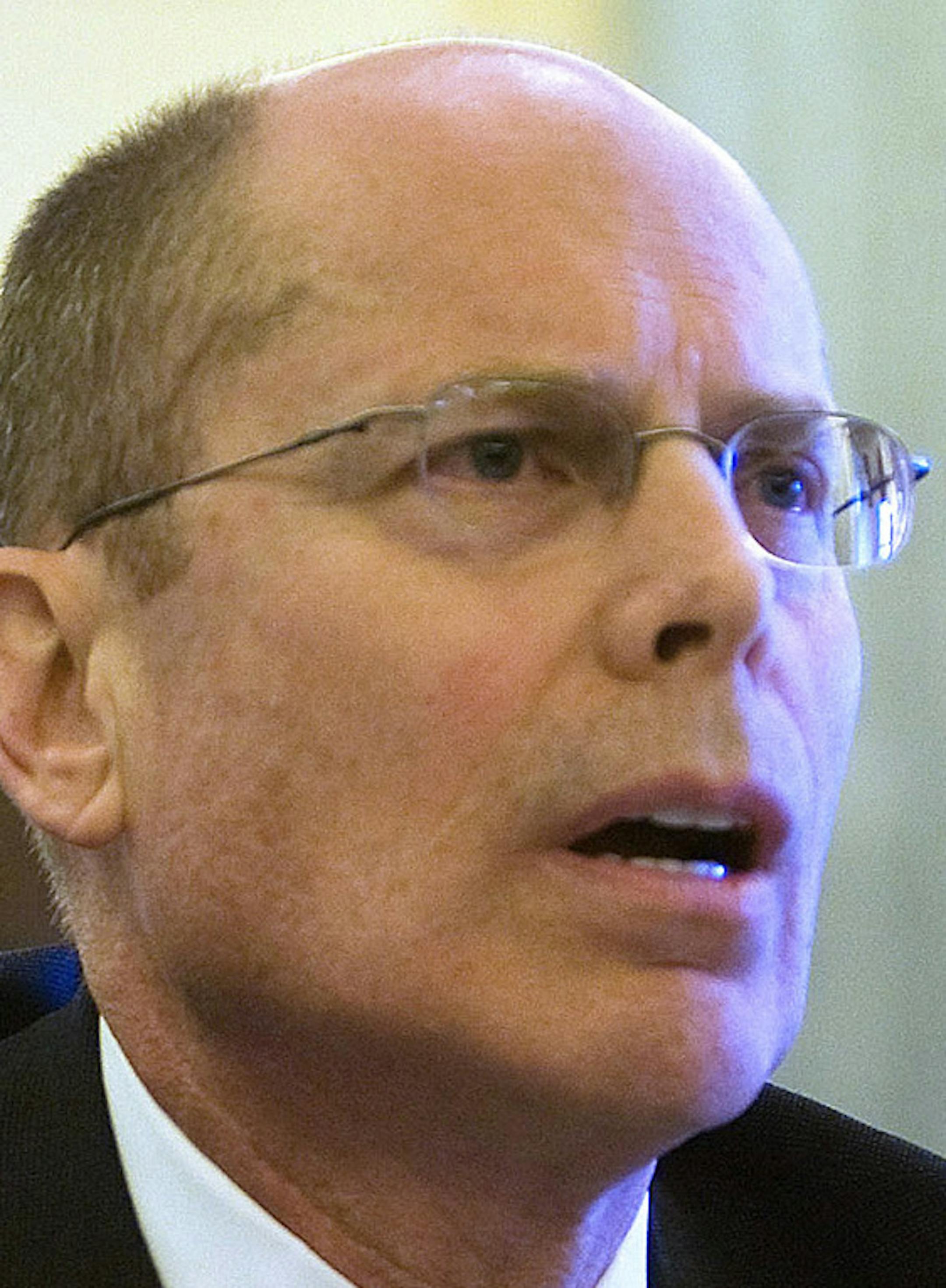
"That effort is on track — and we do not expect any meaningful financial exposure on 2017 business from the three or fewer exchange markets where we currently plan to remain," said Stephen Hemsley, the UnitedHealth Group chief executive, during a call with investors on Tuesday.
The exchange market is a very small part of UnitedHealth, and company officials stressed on Tuesday that the second quarter included growth in almost all other lines of business.
Overall, UnitedHealth saw its profit jump during the second quarter to $1.76 billion, up 11 percent from $1.59 billion a year ago. Adjusted earnings per share came in at $1.96, well above analysts' projections of $1.89 per share, and the company increased the low end of its earnings guidance for the rest of the year.
The company posted fast growth within its Optum division, which includes pharmaceutical benefit management (PBM) services that are purchased by other health insurers. PBMs negotiate prices with drug companies, create pharmacy networks and structure what patients must pay out of pocket for different medications.