

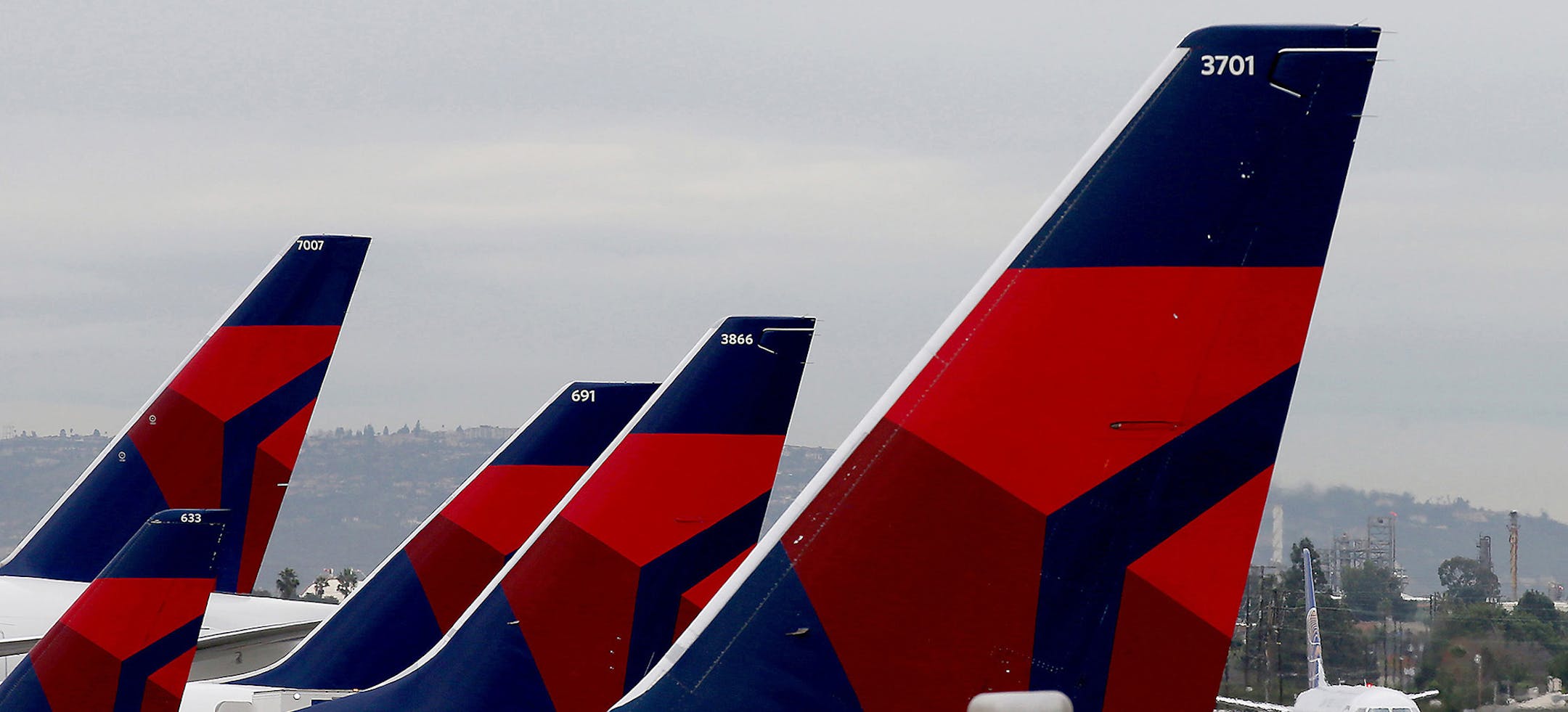
With a mostly nonunion work force that has voted against labor representation for years, Delta is unique among major airlines.
For years now, the Atlanta-based carrier has been able to fend off labor organizing efforts by investing in a sophisticated campaign: Delta is an attractive place to work, with decent pay and more than a billion dollars in profit sharing bonuses paid out to workers each year. Why risk screwing that up?
But nationally, pro-union public sentiment is growing louder. A new Gallup poll puts union support at a near 50-year high, with support strongest among young people. Statistics show more Americans participated in work stoppages in 2018 than at any time since 1986.
Could the longtime anti-union stronghold finally be vulnerable? Union supporters say it will be an uphill battle, especially in the hostile political environment of the South.
Still, both sides seemed taken aback earlier this year when an anti-union flyer distributed by Delta management went viral. In it, Delta suggested workers would be better off spending the $700 a year they would pay in union dues on video games.
Critics admonished CEO Ed Bastian and said the company, which has been crafting a progressive image on a host of other issues, seemed tone-deaf. The high-profile backlash was unlike any reaction to past union fights against the airline.
Delta's chief marketing and communications officer Tim Mapes said that the poster "was a misstep. What we do is we respect people's right to make a choice" on unionization, and "that didn't come through."
Lynn Rhinehart, former general counsel of the AFL-CIO, said the reaction reflected the changing political climate.




