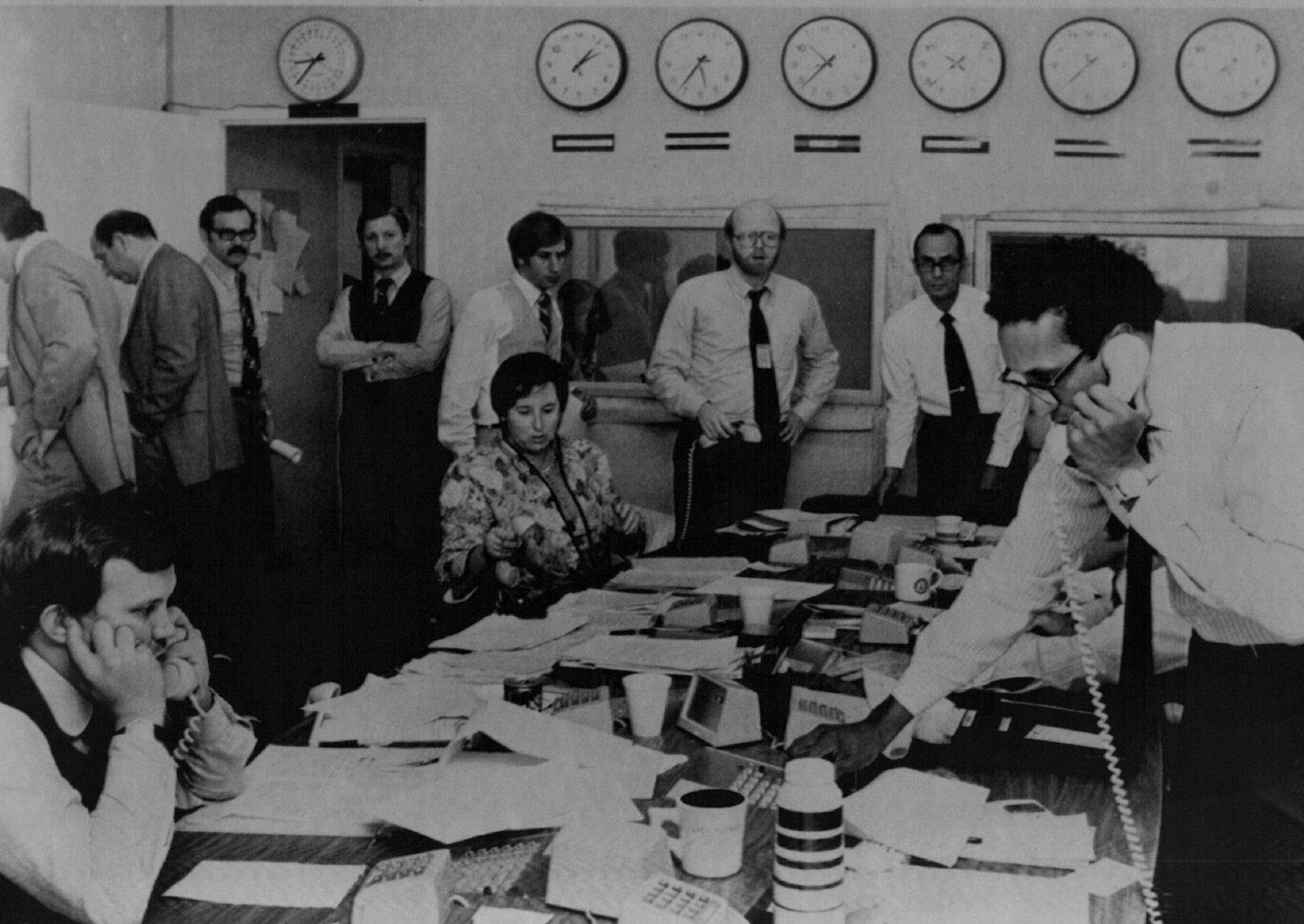
MIAMI – The dozens of U.S. diplomats taken hostage by revolutionary students who seized the U.S. embassy in Iran in 1979 may have had some secret company during their 15-month captivity: U.S. intelligence agencies had a squad of military-trained psychics using extrasensory perception to watch them, according to declassified documents in a newly available CIA database.
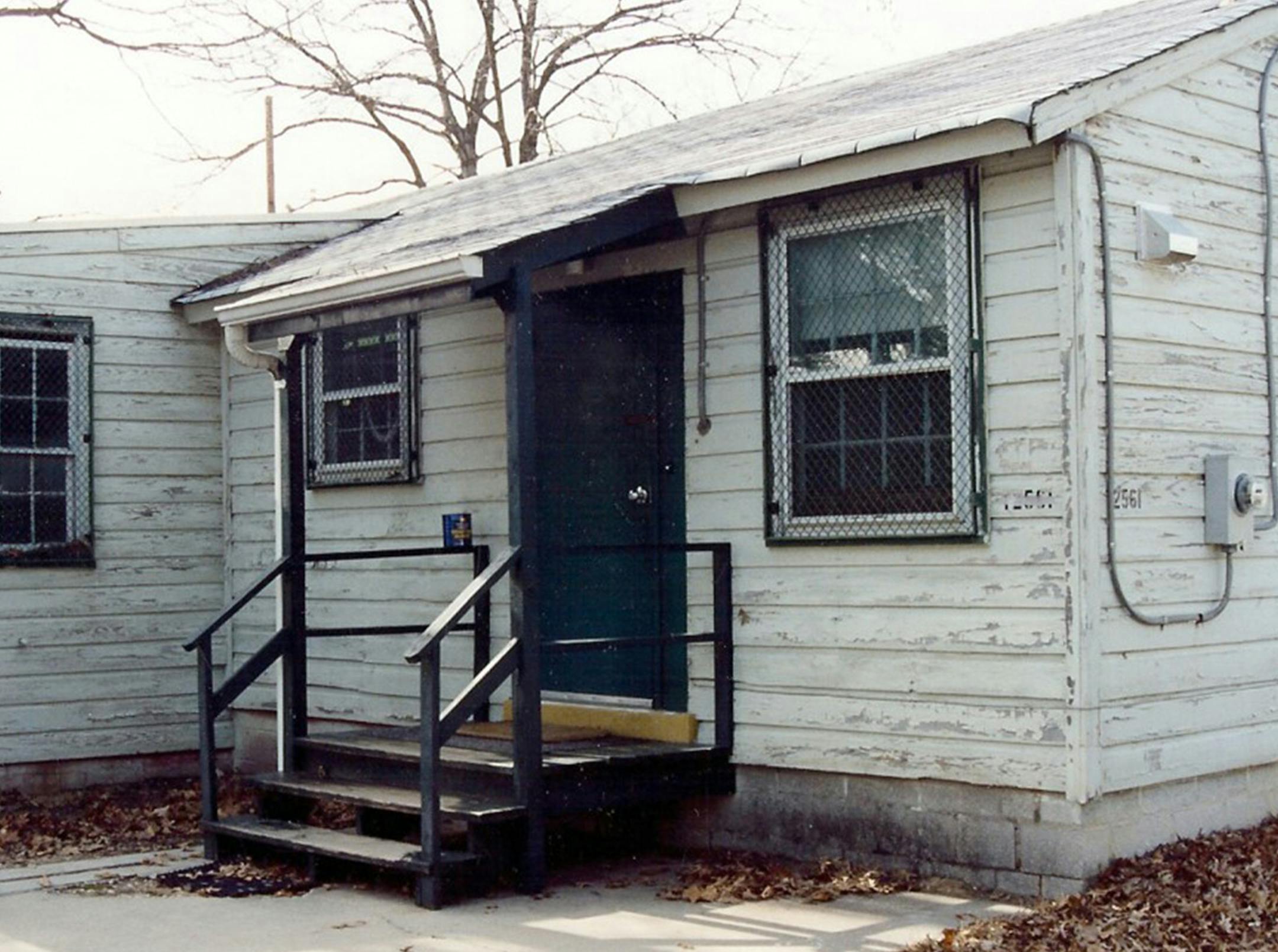
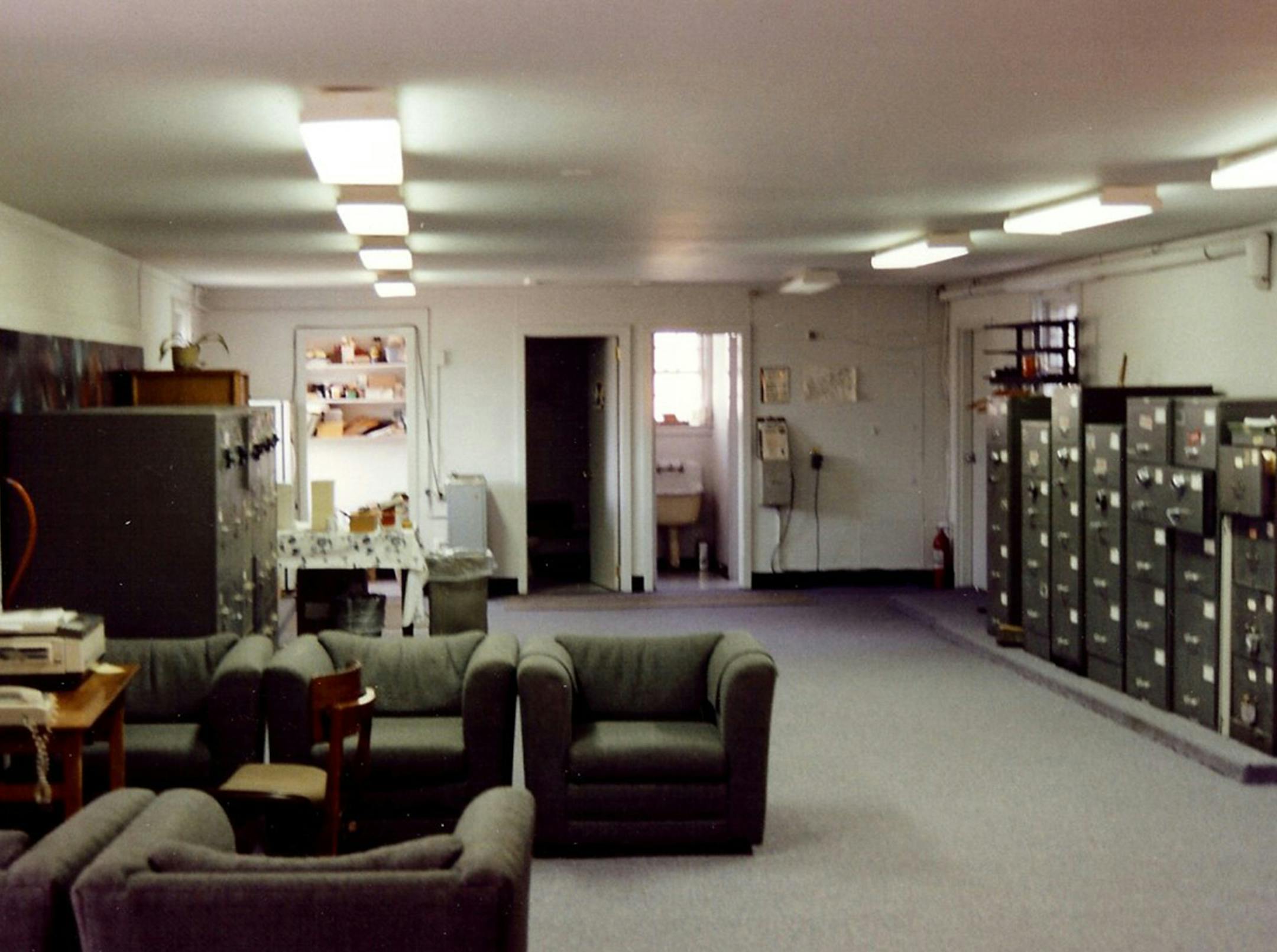
In an operation code-named Grill Flame, half a dozen psychics in an old house in Fort Meade, Md., on more than 200 occasions tried to peer through the ether to see where the hostages were being held, how closely they were guarded and the state of their health.
Officially, the psychics worked for U.S. Army intelligence. But the documents make it clear their efforts were monitored, and supported, by a wide array of government intelligence agencies, as well as top Pentagon commanders.
They were even consulted before the super-secret U.S. raid that attempted to free the hostages in April 1980, which ended in disaster when a plane and a helicopter collided at a desert staging area.
In a memo on April 23, 1980, one day before the rescue mission, a chief of the psychic unit told a superior officer that a representative of the Joint Chiefs of Staff had contacted the unit and "requested we intensify our efforts and that we attempt to set up a situation wherein the possibilities for aborting the mission would be sharply reduced."
Whether the psychics provided any useful intelligence was the subject of a debate among intelligence officials as heated as it was secret. After the hostages were released in January 1981 and extensively questioned, the Pentagon compared the information with 202 reports from the Grill Flame psychics. "Only seven reports" were proven correct, wrote an Air Force colonel on the staff of the Joint Chiefs.
More than half, he added, were "entirely incorrect." And although 59 contained information that was partly or possibly right, the colonel noted that "these same reports often included erroneous data."
Army officers supervising Grill Flame hotly contested the Air Force colonel's evaluation, claiming 45 percent of the psychic reports contained some accurate information. They argued, "that was information that could not be obtained through normal intelligence collection channels. The degree of success appears to at least equal, if not surpass, other collection methods."