

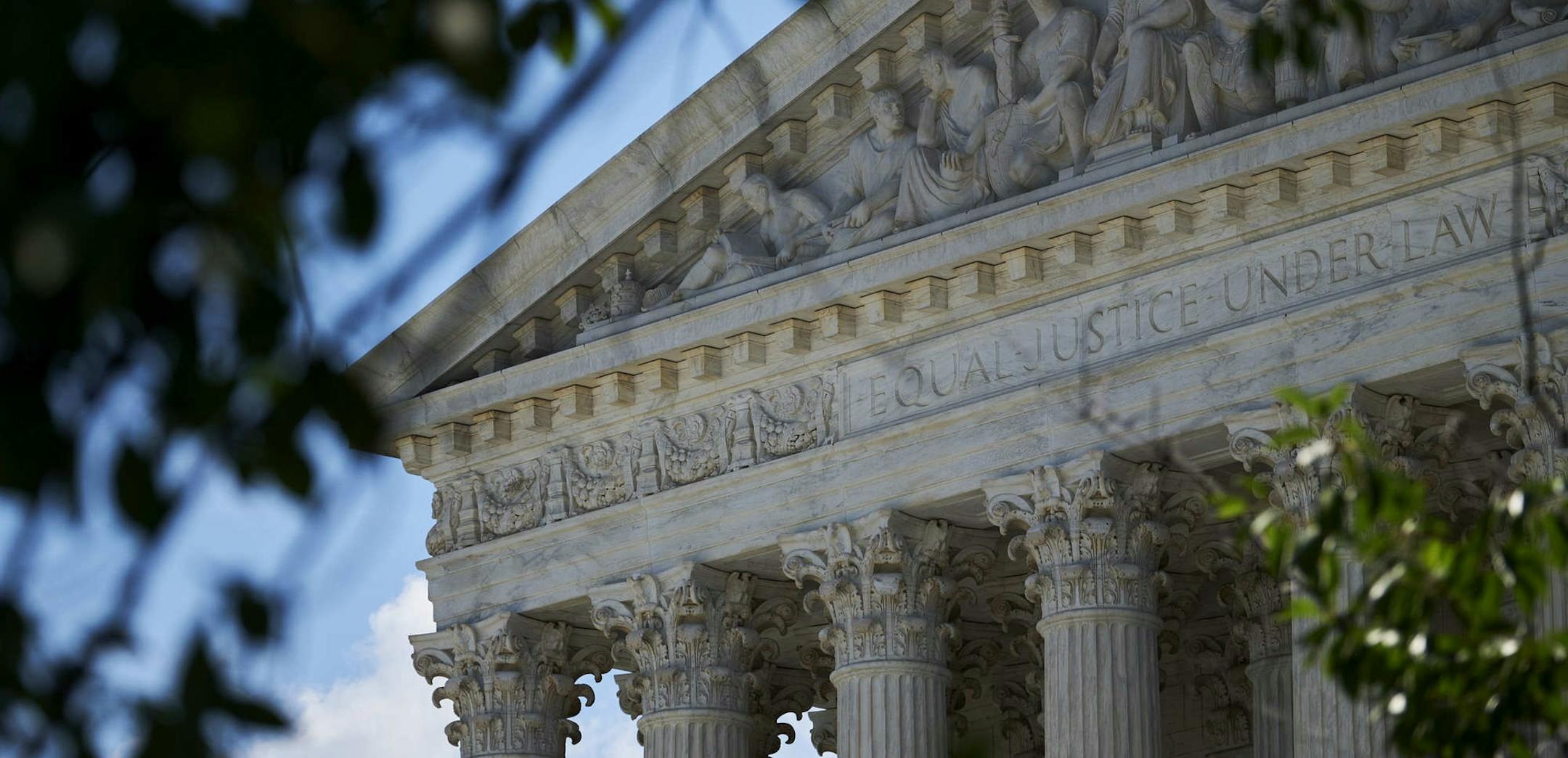
One U.S. Supreme Court justice announces his retirement, and the nation's political agenda is upended. So it has seemed in the days since Justice Anthony Kennedy's June 27 word that he will leave the high court at the end of July. Speculation has been rampant since then about who will fill Kennedy's seat — and how, and when, and what will ensue for all that the court controls.
Given the expansive reach of the high court's power, the fixation on Kennedy's replacement is understandable. In recent decades, congressional avoidance of tough decisions has left the nation looking to its courts to solve problems.
The courts have obliged, touching many aspects of Americans' daily lives. As Minnesota U.S. Sen. Amy Klobuchar noted, "The Supreme Court in the last decade has literally decided who can get married, where you can go to school, and how safe your working conditions are."
It follows, Klobuchar told the Senate Judiciary Committee on June 28, that the justice who takes Kennedy's seat ought to be "someone who's an independent thinker that's going to respect precedent on this court."
We wholeheartedly agree. This nation will be ill-served if President Donald Trump nominates and the Senate confirms a new justice who views legal questions through an ideological lens or is eager to toss out years of established jurisprudence. That caution applies particularly to a nominee's thinking about abortion, which the court has deemed to be a woman's constitutional right since handing down the Roe vs. Wade decision in 1973.
But we disagree with Klobuchar's recommendation about how the Senate should proceed when a nomination is in hand, which the White House says will come Monday. The Minnesota Democrat urged the Senate's Republican majority to do what it did two years ago when then-President Barack Obama nominated Merrick Garland: Sit on the matter until after the November election.
"You want to wait when something is so close to an election to let the people decide," she said, parroting the argument Republican Senate Majority Leader Mitch McConnell made in 2016 — now called "the McConnell rule" — to justify his refusal to act on Obama's nominee.
The problem is that two wrongs don't make a right — and the 2016 withholding of a Senate vote on the Garland nomination, while permissible under Senate rules, was wrong. It failed to live up to the spirit if not the letter of the constitutional duty the legislative branch has to the judicial one. Delay a confirmation vote again because an election looms, and the Senate will be establishing a pattern that will be exceedingly difficult to reverse. It could result in the court being shorthanded and dysfunctional for prolonged periods.


