
U.S. farmers to get $4.7 billion in federal tariffs relief

It's a first round of government aid to compensate for losses caused by Chinese tariffs in a trade war that's hurting some of President Donald Trump's core supporters.

Bloomberg News
August 28, 2018 at 10:19AM
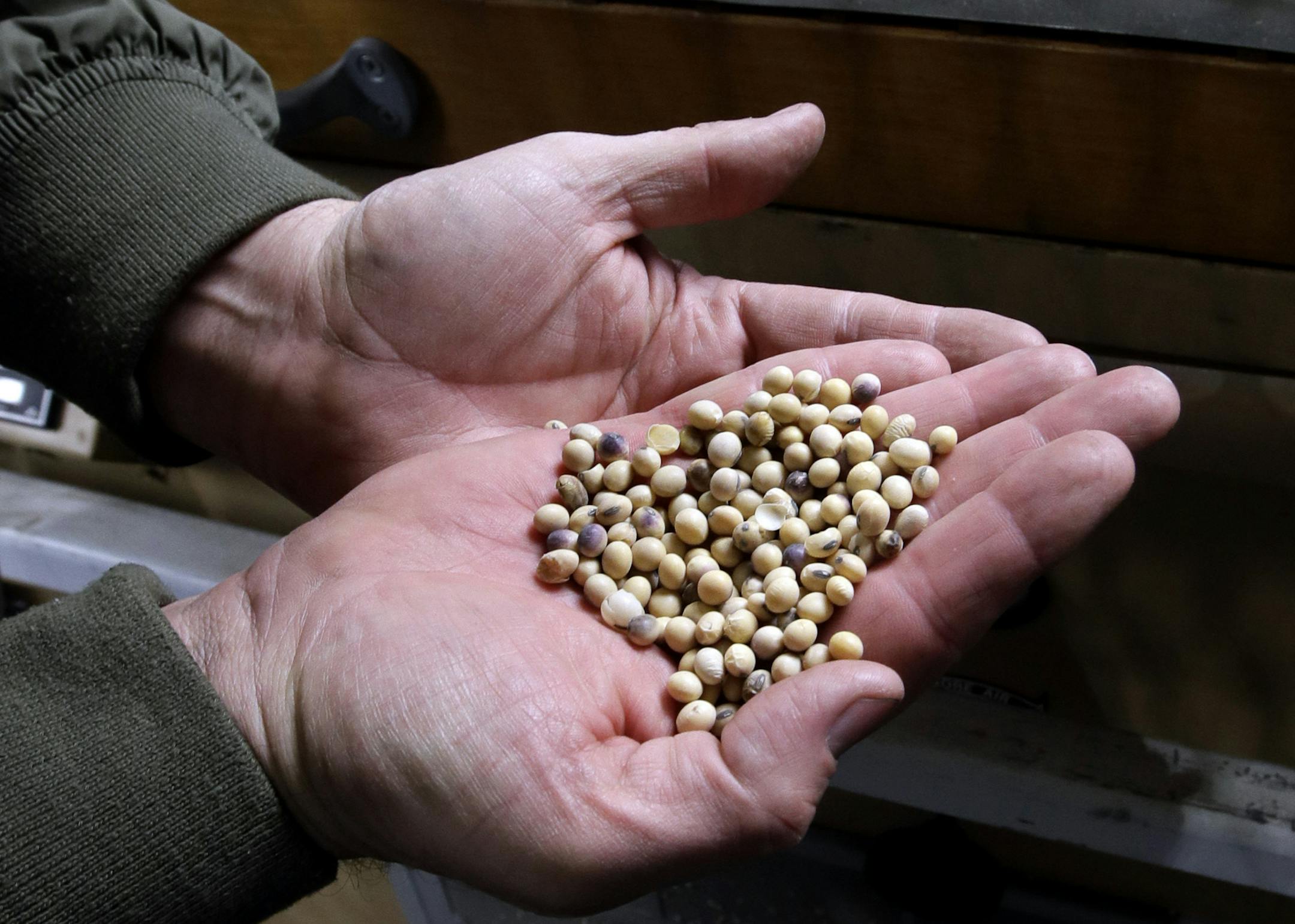
Jason Taylor holds soybeans that are sorted out by color at Taylor Seed Farm near White Cloud, Kan., Thursday, April 5, 2018. (AP Photo/Orlin Wagner)
Jason Taylor holds soybeans that are sorted out by color at Taylor Seed Farm near White Cloud, Kan., Thursday, April 5, 2018. (AP Photo/Orlin Wagner) (The Minnesota Star Tribune)

WASHINGTON – U.S. farmers will get $4.7 billion in a first round of direct government aid to compensate for market losses caused by Chinese tariffs in a trade war that's hurting some of President Donald Trump's core supporters.

Growers of soybeans, the hardest hit, will get $3.6 billion, according to the plan the government released Monday. Pork will receive the second highest payment of $290 million, and dairy producers are also eligible for assistance, the U.S. Department of Agriculture said. The soybean and dairy supports are good news for many farmers in Minnesota and Wisconsin.

Sorghum, corn, wheat and cotton producers will also receive aid of different amounts based on the same formula.

Sign-ups will start Sept. 4, Agriculture Secretary Sonny Perdue said, just as harvest season begins across the U.S. and before Nov. 6 congressional elections in which rural districts may play a key role in determining which party controls Congress. Payments may start going out as soon as mid-September.

The Trump administration "will not stand by while farmers are targeted by countries who are acting in bad faith," Perdue said on a conference call.

The USDA will spend an additional $200 million promoting U.S. agricultural exports as part of the aid. The government also will step up commodity purchases to help boost prices, making at least $1.2 billion of purchases, including $559 million of pork.

The total size of the package, which the department estimated at $12 billion when it was announced last month, may be less than that should trade conditions change, said the agency's chief economist, Rob Johannson.

Extra farm aid would help producers who are seeing prices drop and inventories rise because of disputes with China, Canada and other trade partners who are significant purchasers of U.S. pork, soybeans and other crops.
Farmers are a key part of the rural political base that elected Trump, who has promised they will emerge better off from a trade war. Many farmers are accepting that message. Still, an extended trade dispute that lingers into the fall harvest — and the election — holds the potential to shake that support. Trump has been under pressure from lawmakers representing rural districts to back away from imposing tariffs.

The price-support funds don't need congressional approval, as they are administered under USDA disaster procedures that date to the Great Depression.

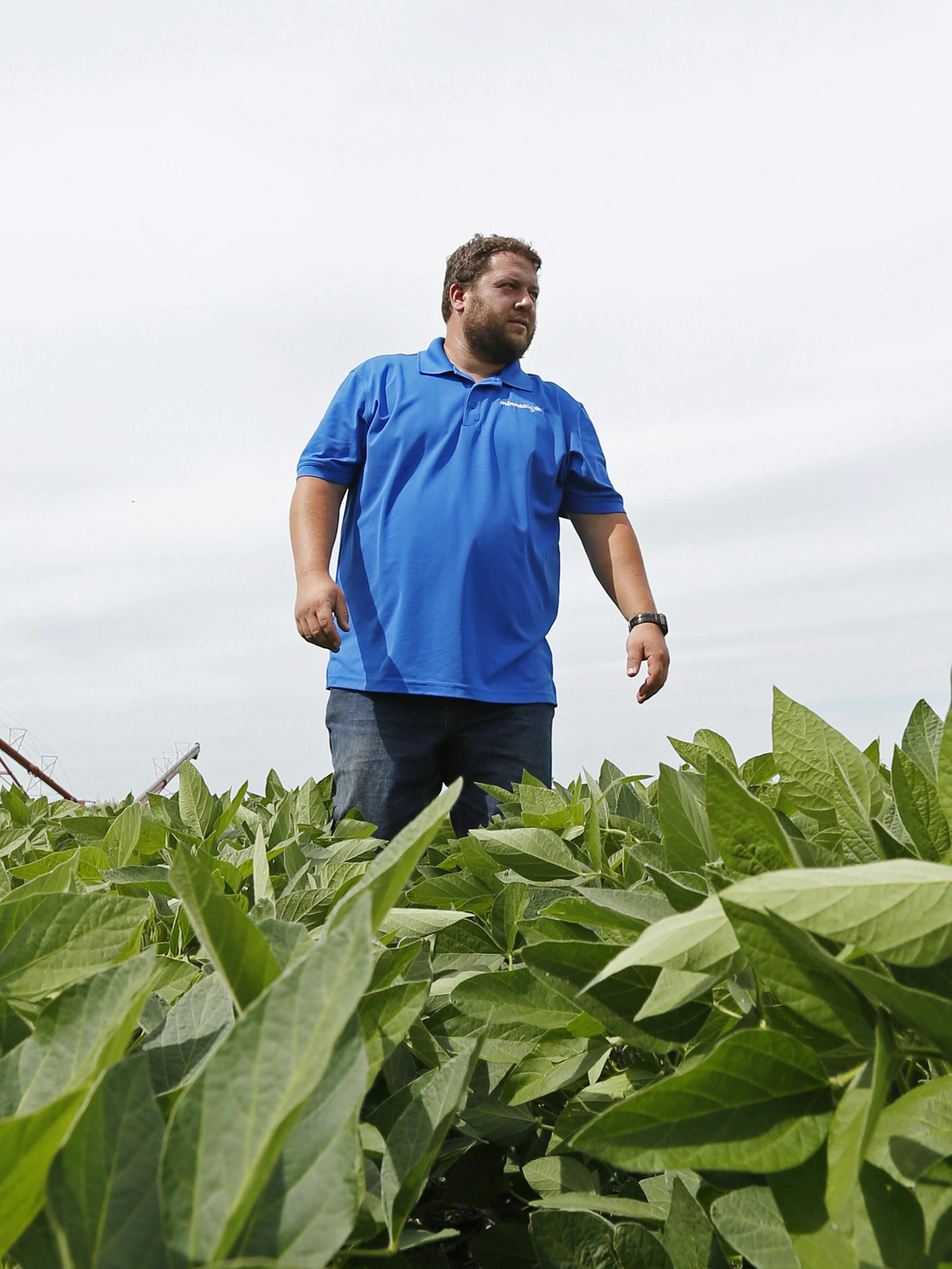
In this July 18, 2018 photo, soybean farmer Michael Petefish walks through his soybeans at his farm near Claremont in southern Minnesota. American farmers have put the brakes on unnecessary spending as the U.S.-China trade war escalates, hoping the two countries work out their differences before the full impact of China's retaliatory tariffs hits American soybean and pork producers. (AP Photo/Jim Mone) ORG XMIT: MP104
In this July 18, 2018 photo, soybean farmer Michael Petefish walks through his soybeans at his farm near Claremont in southern Minnesota. American farmers have put the brakes on unnecessary spending as the U.S.-China trade war escalates, hoping the two countries work out their differences before the full impact of China’s retaliatory tariffs hits American soybean and pork producers. (AP Photo/Jim Mone) ORG XMIT: MP104 (The Minnesota Star Tribune)
about the writer

about the writer

ALAN BJERGA

More from Business

See More
card image
Anthony Soufflé/The Minnesota Star Tribune

The state must distribute $193 million to rural health care providers and prove the money improves care in 2026 before it can ask for more in 2027.

card image
card image