U.S. Bancorp hit another profit record this spring and buoyant executives on Wednesday gave an upbeat forecast for the economy and near-term future of the nation's fifth-largest bank.
But they are also keeping an eye on bond prices for a signal of recession. Caution in the bond market at the moment is clashing with the behavior of U.S. Bank's customers, both businesses and consumers, who are borrowing and investing more.
Executives of the Minneapolis-based company said they just have to work through the contradictory signs.
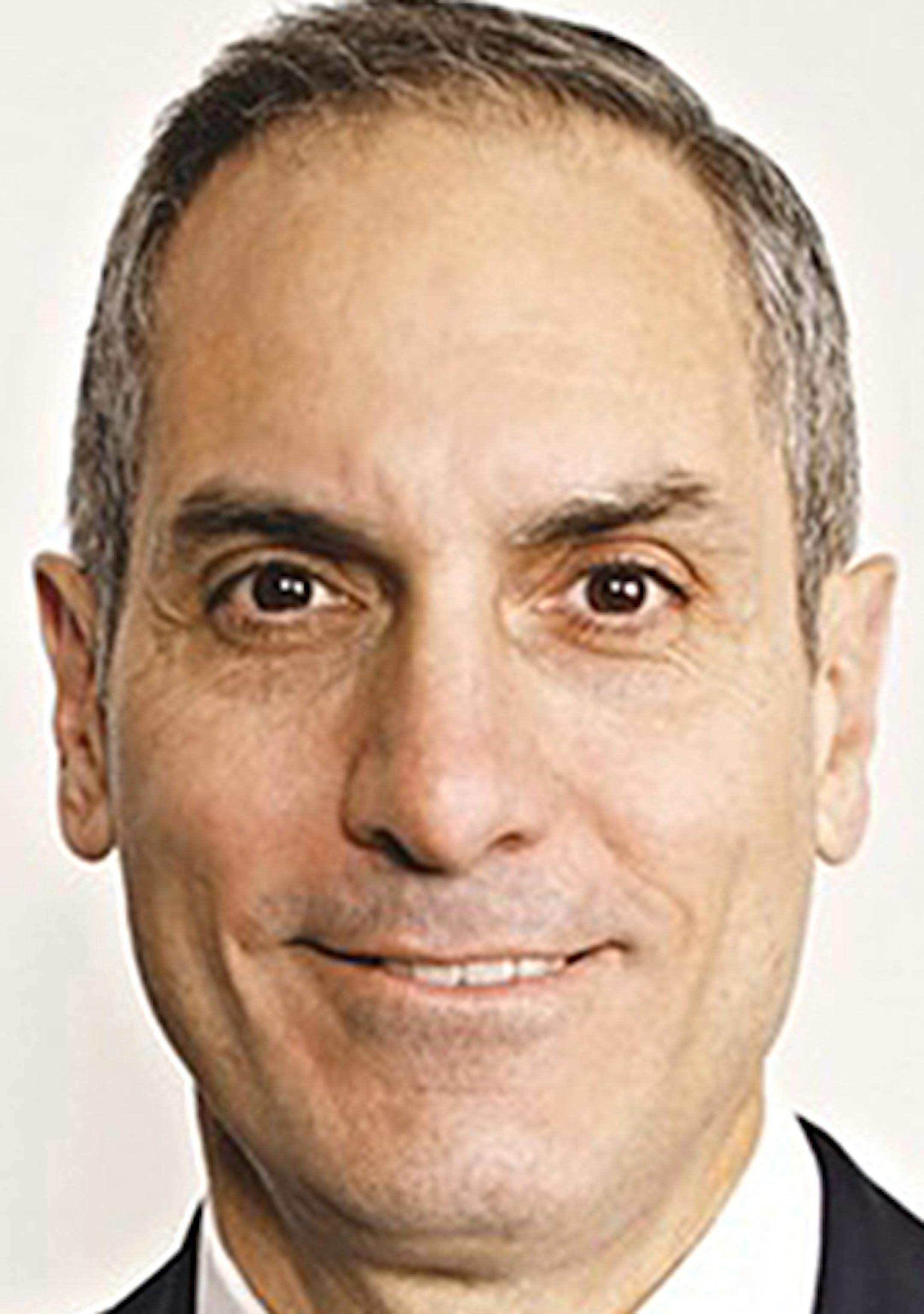
"We do have confidence in the economy," Chief Executive Andy Cecere said. "From small business to middle market to large corporate, confidence is up, activity is up. On the consumer side of the equation, spending is up and activity is up. You talk to our leaders and our lenders, who are talking to their customers, and things are very positive."
He and other executives forecast solid growth in lending and deposits for the next two years at what, by most financial metrics, is the strongest-performing major bank in the U.S. With interest rates up and the effect of the federal tax cut still cycling through its books, U.S. Bancorp experienced a 17 percent jump in second-quarter profit.
Revenue grew faster than expenses for only the second quarter in the past three years. Executives said they anticipate that condition, called positive operating leverage, to continue through the rest of 2018 and accelerate next year.
At the same time, along with many in the financial industry, U.S. Bancorp executives have been watching the yield curve in the bond market — the difference between the interest paid for 2-year and 10-year bonds — narrow in recent months. Usually in a strong-performing economy the curve is steep, with the interest on the 10-year bond well above the two-year rate.
For more than 50 years, a flattening or inversion of the yield curve, which happens when short-term bonds become more expensive than long-term ones, has indicated that recession is ahead. Economists and investors debate whether bond investors are sending that signal at the moment. No matter the reason, it is influencing planning at U.S. Bank, Terry Dolan, the company's chief financial officer, said.