

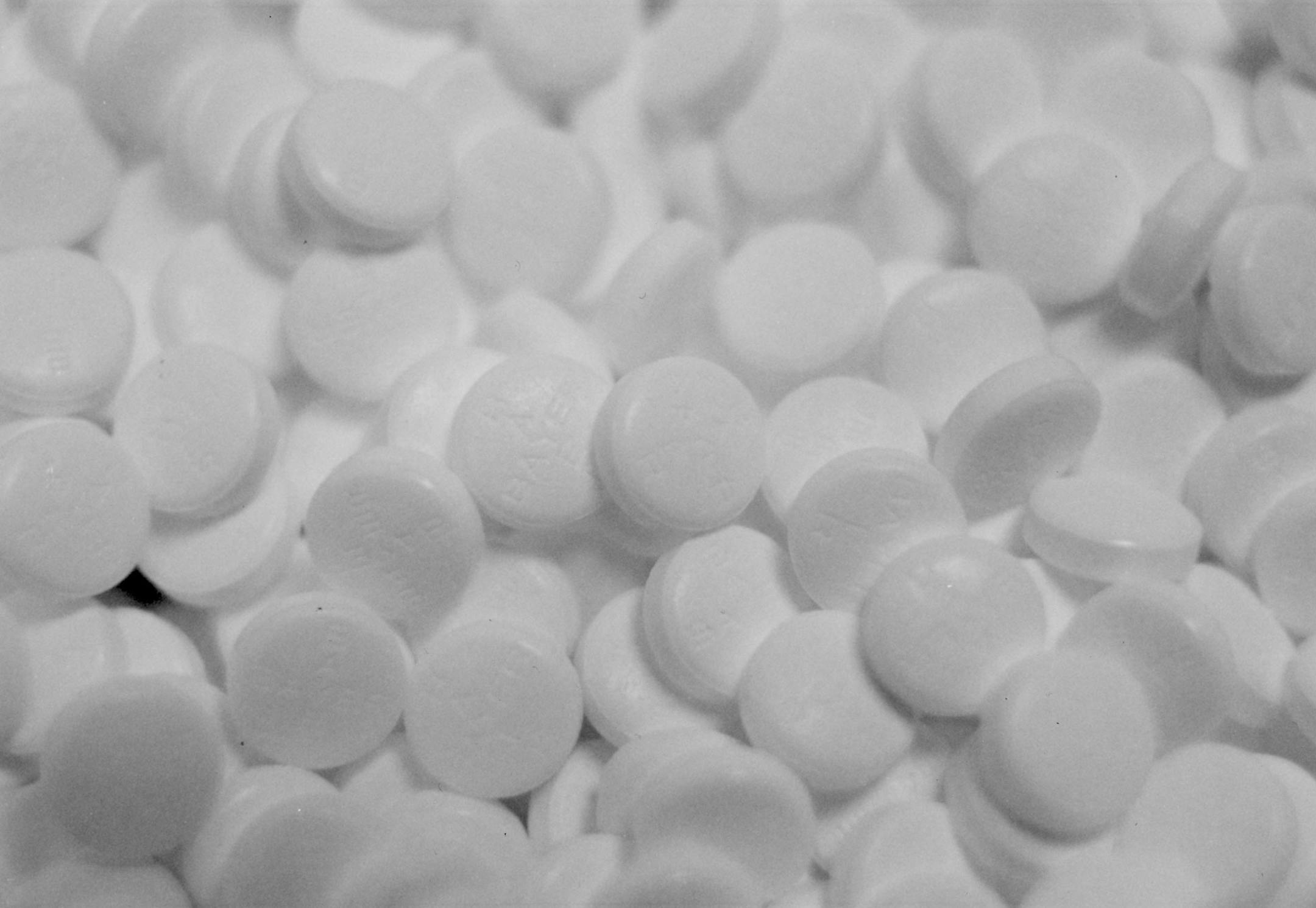
An apple a day may keep the doctor away, but a low-dose aspirin a day could keep thousands of Minnesotans out of the emergency room by helping to prevent a first heart attack or stroke.
That's the message of a five-year statewide campaign that will be launched this spring by the University of Minnesota, together with Target stores and primary care providers, that aims to reach people who would benefit from aspirin and can withstand its potential adverse effects.
Organizers hope to demonstrate that an over-the-counter medicine that costs just 2 to 3 cents a day can prevent many cataclysmic cardiovascular events, saving lives and millions of dollars in health care costs. The National Institutes of Health is backing a study of the campaign with a $3.6 million grant, and the organizers hope to raise up to $7 million more.
The program targets men age 45 to 79 and women age 55 to 79 who are deemed to be at moderate to high risk of heart attack or stroke. Risk factors include advancing age, family history of heart attack or stroke, smoking, diabetes, high blood pressure and high cholesterol.
After a trial version of the study in Bemidji, the U reported last May that the proportion of the targeted population taking low-dose aspirin rose to 54 percent from 36 percent in just four months — an effect that lasted the full 16 months of the study.
The results shocked researchers, who had predicted a just 5 percent increase, said Dr. Alan T. Hirsch, a U cardiologist leading the studies.
If that pattern can be achieved statewide, as many as 7,000 first heart attacks and strokes a year could be prevented over the next five years, Hirsch said.
"There is a risk-benefit," Hirsch said. Many people will experience gastrointestinal bleeding from aspirin, which is an anticoagulant. But he said those effects can be reversed.


