

Paul Molitor played in parts of 10 doubleheaders as a rookie with the Brewers in 1978, a couple of times even switching positions between games. But he says he doesn't remember two-game days happening so frequently.
Maybe he's just blocked out the memory.
Once a Sunday tradition as commonplace as a sermon, mostly back in the days before all ballparks had lights, doubleheaders today are regarded by managers like Molitor as a scourge on pitching staffs and an impediment to daily routines in a sport that thrives on them. "We have to plan well ahead, as best we can," Molitor said. "It creates real challenges. We're considering workload all the time. Do we have to do anything, rosterwise, to make sure we have enough pitching for two games?"
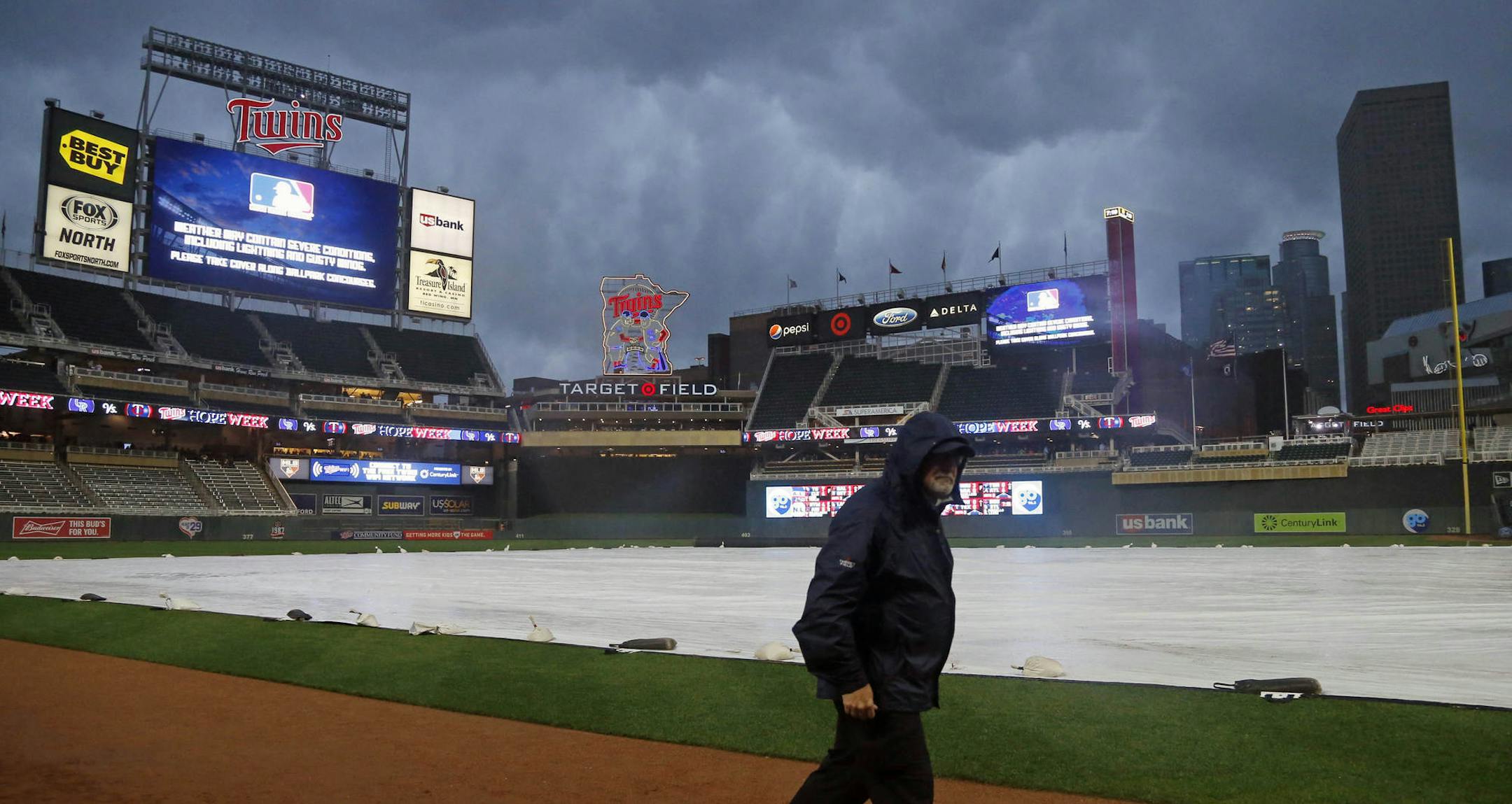
No wonder, then, that the Twins have, because of an unusual number of weather postponements, played three doubleheaders already this season — and made at least one roster transaction involving the pitching staff after each.
But if doubleheaders are a headache for managers, the modern version has become just as detested by ballplayers. In 1989, the Red Sox, used to regularly selling out Fenway Park, resurrected the day-night "split" doubleheader to sell tickets to both games. It was controversial at first — the Twins were Boston's first day-night opponent, and players initially voted to refuse the scheduling. The players finally agreed, though, apparently believing the other team had already OK'd it.
"You don't play doubleheaders with two hours in between," Twins outfielder (and now radio broadcaster) Dan Gladden told the Star Tribune. "What makes me more mad is that management lied." The Red Sox reportedly settled the issue by donating $20,000 to a charity chosen by Twins players, and the precedent was set.
No doubleheader has been scheduled since 2011; all are used to make up rainouts. And virtually all are day-night, which still aren't popular in clubhouses.
"Players like traditional doubleheaders. You come in, do your work, get ready and play. Then you come in, maybe get some trail mix, and then go right back at it," said Twins second baseman Brian Dozier, who grabbed a 30-minute nap between games last Saturday. "The split doubleheader, you're just waiting around, and that can drain your energy, too. And then you have to go through it all again — running, stretching. At the end of it, you've been at the ballpark 12 hours or more. And if you have a day game the next day, it catches up to you."


