

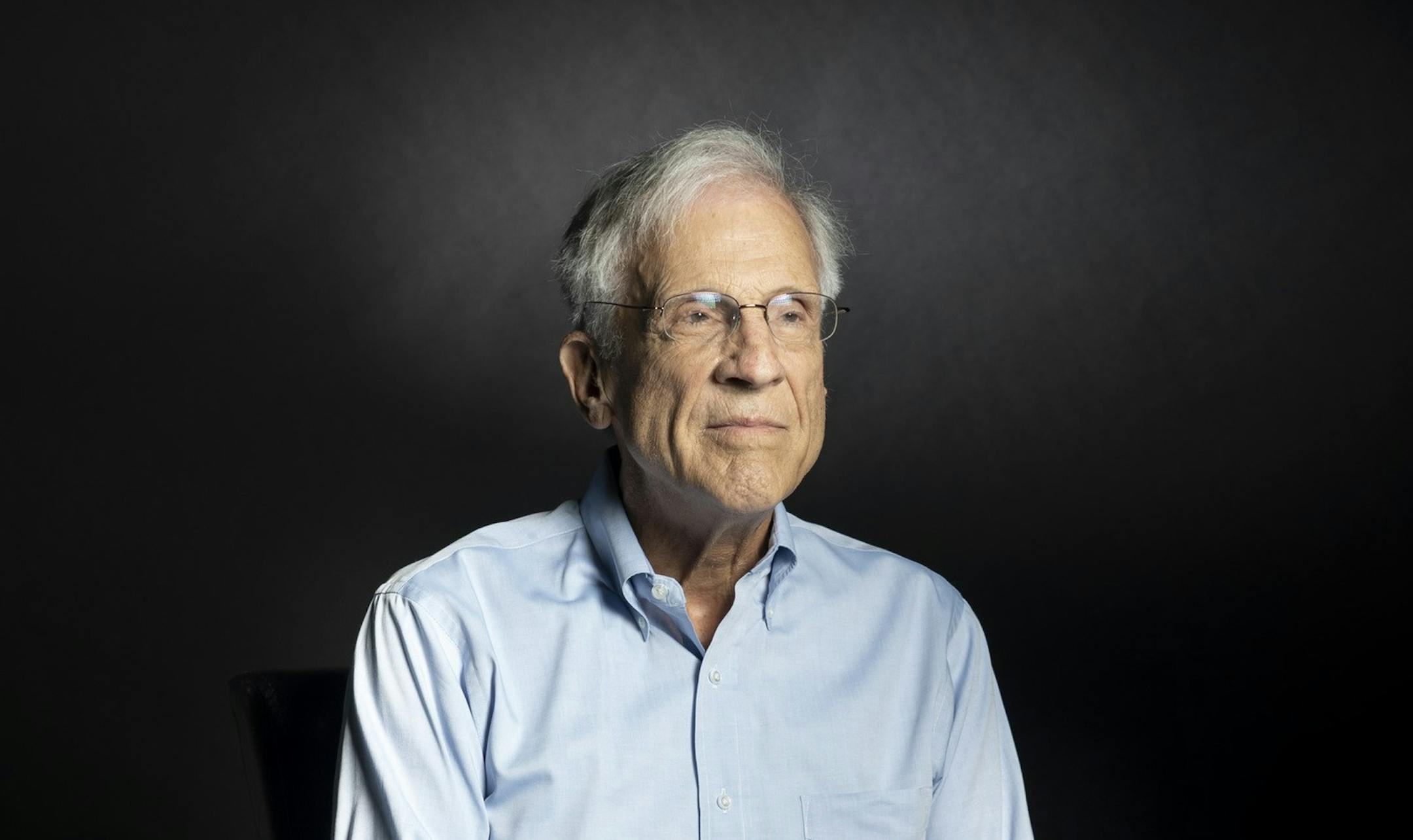
Luckily, Minneapolis native Ned Crosby realized early on that he was "a mediocre manager at best." So the gentle political scholar and philanthropist found a different path. For 45 years, Crosby has tapped into the best in human nature through Citizens Juries, in which a randomly selected microcosm of the population gathers to listen to and learn from experts on pressing societal issues before respectfully brainstorming solutions. Crosby, 82, has conducted or commissioned more than 50 juries in the U.S. and watched his model expand by the hundreds to England and Australia. An heir to the Washburn Crosby Co., he is founder of the Jefferson Center, for which he and wife, Pat Benn, are major benefactors.
Q: Your goal is to "rejuvenate American democracy." Did you consider something slightly less ambitious?
A: Yes, my interest in a healthy democracy began decades ago with important, but more short-term, methods. The Jefferson Center worked in the 1980s and 1990s to develop the Citizens Jury process as a practical tool to create high quality citizen input on policies and to evaluate candidates on their stands on issues. But the more polarized American politics became, the more I turned to thinking about long-range methods for rejuvenating American democracy.
Q: How do you find your jurors?
A: Through mailings, digital recruitment, community bulletin boards and other means. Everyone is compensated and offered child care if they need it. Juries run for a few days to a week.
Q: You distinguished between "reasoned" discussion and "caring" discussion. Please say more.
A: Our juries are designed to promote reasoned discussion based on solid, fact-based information. We give expert witnesses from different points of view a chance to present their cases to our juries, but in a form that cuts down on rhetoric and focuses on the key aspects of the policy under consideration. The discussions are guided by experienced facilitators who help participants talk with each other in a reasoned way. The caring side of the process just comes out naturally as participants meet people from very different walks of life and discover how much they have in common.
Q: How likely are people to change their minds during this process?


