

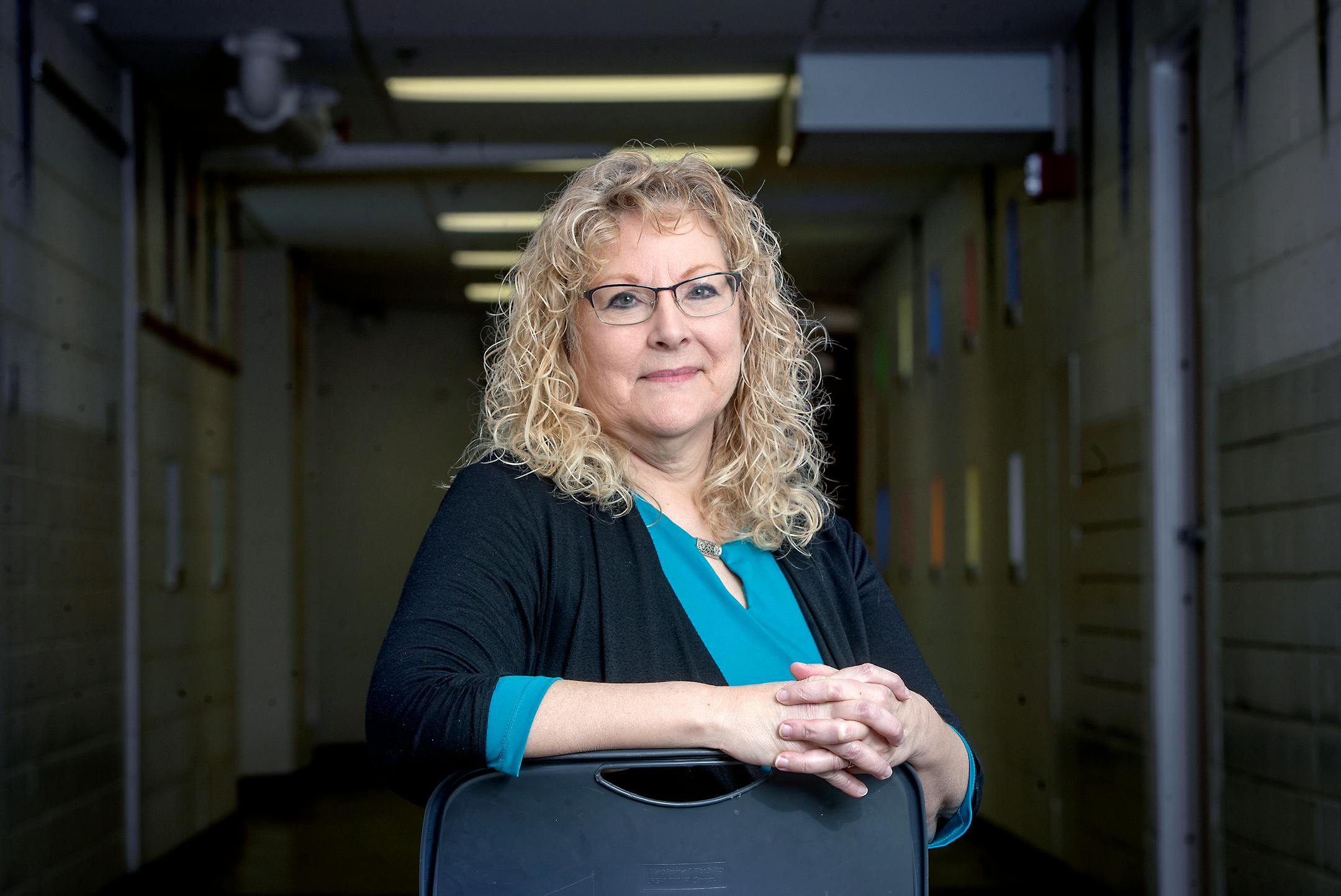
Tressa Reisetter is a Twin Cities neuropsychologist, which means she's a brain expert, which really means she's a sleuth. Aside from her private practice in Champlin where she also lives, Reisetter partners with Twin Cities schools to assist teachers, social workers and parents with assessments to give children the best chance for academic and social success. A college music major, Reisetter returned to graduate school for her doctorate in neuropsychology after her two daughters were launched. Here, she shares thoughts from her new book, "Getting to Know Your Child's Brain," and tells us why kids aren't trying to be bad (really!), why quiet time rules, and why Mom was right after all.
Q: Much of your work is conducting tests to assess students who might need special education services. Why is it so important to get to these kids as early as possible?
A: Getting support for them early can have the most impact, and can keep them from developing such things as depression or anxiety related to dealing with their symptoms. A lot of them have attention deficit hyperactivity disorder (ADHD) and are exhibiting bad behavior — not just the commonly assumed inattention and wiggles, but also tantrums, bossiness and short-temperedness. Then a teacher or parent might say, "You're not trying." That's a horrible phrase. Ninety-seven percent of kids will behave if they can. But most of them have never had a cognitive test that might help adults around them understand what is going on.
Q: What kinds of tests do you perform and what do you find?
A: I do a wide range of tests depending on the child's symptoms. They include verbal attention, visual-spacial thinking, short-term and long-term memory, picture recognition and so forth. With many of the students I test, their processing speed is far slower than that of their peers. That means they cannot listen as fast as you can talk. They miss key bits of information, which means they're neurologically set up for frustration. They're always on edge.
Q: Might you give us an example?
A: Sure. Mom says, "Be home at 3. I have a doctor's appointment at 4." Kid hears "Mom has a doctor's appointment at 3 so I don't have to be home until 4." There's a clash. They argue. Then the kid gets labeled oppositional or, worse, a liar.
Q: That is sad. What's a solution?


